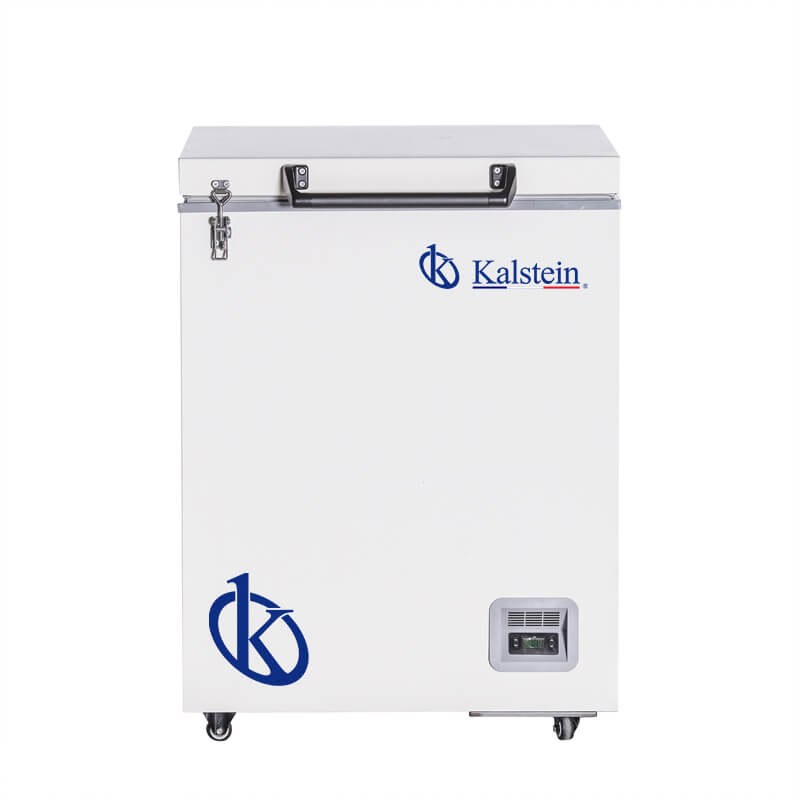
How to Optimize Chest Freezers for LIMS Integration and Data Flow Digitalization
In modern laboratories, the integration of laboratory information management systems (LIMS) with equipment such as chest freezers is essential for efficient data management and workflow optimization. This article discusses how various chest freezers can be optimized for seamless data integration, ensuring compliance with industry standards while enhancing operational efficiency.
Understanding the Need for LIMS Integration
The integration of LIMS with chest freezers allows for real-time monitoring of temperature data, inventory management, and automated reporting. This integration helps in compliance with regulatory standards such as ISO 17025, which mandates traceability and data integrity in laboratory operations. By leveraging connectivity protocols like HL7 and ASTM, laboratories can ensure that their freezers communicate effectively with the LIMS.
Key Features for LIMS Integration
When evaluating chest freezers for LIMS integration, several features should be considered:
- Connectivity Options: Look for models that offer Ethernet, Wi-Fi, or USB interfaces to facilitate data transfer.
- Data Logging: Freezers should have the capability to log temperature and alarm data, which can be automatically transmitted to the LIMS.
- Alarm Systems: Advanced alarm systems that notify personnel of temperature deviations are crucial for maintaining sample integrity.
Benefits of Digitalizing Data Flow
Digitalizing data flow in the lab not only helps in better data management but also enhances accuracy and reduces the risk of human error. Automated data entry from chest freezers into the LIMS ensures that temperature records are accurate and up-to-date, thereby meeting compliance requirements.
Comparison of Available Chest Freezer Models for LIMS Integration
| Model | Temperature Range (°C) | Connectivity | Best For | Price (USD) |
|---|---|---|---|---|
| YR05102 | -10 to -40 | USB, Ethernet | General Laboratory Use | 450.00 |
| YR05103 | -10 to -40 | Wi-Fi | Clinical Applications | 885.00 |
| YR05104 | -20 to -40 | USB | Research Institutions | 1100.00 |
| YR05314 | -40 to -86 | Ethernet | Biobanking | 3150.00 |
| YR05313 | -40 to -86 | Wi-Fi | Clinical Labs | 1825.00 |
| YR05315 | -25 to -60 | USB, Ethernet | Biomedical Storage | 1150.00 |
Common Mistakes and How to Avoid Them
One common mistake when selecting chest freezers for LIMS integration is neglecting to consider the specific data protocols supported by the models. Ensure that the chosen freezer can communicate effectively with your existing LIMS using compatible protocols such as HL7 or ASTM. Additionally, overlooking the importance of periodic maintenance can lead to data integrity issues.
Key Considerations for Selecting Chest Freezers
When choosing a chest freezer for LIMS integration, consider the following factors:
- Temperature Control: Ensure that the freezer has precise temperature control features to maintain sample integrity.
- Energy Efficiency: Evaluate the energy consumption of the models to ensure cost-effectiveness in the long term.
- Space Requirements: Assess the physical dimensions of the freezer to ensure it fits into your laboratory layout.
Best Practices for Data Management
Implementing best practices in data management involves regular audits of LIMS data, ensuring backups are maintained, and consistently validating the integration between the chest freezer and LIMS. Training laboratory staff on the importance of data integrity and compliance will further enhance operational efficiency.
Frequently Asked Questions
What are the key features to look for in a chest freezer for LIMS integration?
Key features include connectivity options like Ethernet and USB, data logging capabilities, and alarm systems. For instance, the YR05314 model offers ethernet connectivity and is ideal for biobanking compliance.
How does LIMS integration enhance laboratory workflow efficiency?
LIMS integration automates data entry, reduces human error, and ensures real-time monitoring of samples and environmental conditions. Models like YR05103 are designed for clinical applications, facilitating data accuracy.
What is the significance of temperature control in chest freezers?
Temperature control is critical for maintaining the integrity of stored biological samples. The YR05315 model, with a range of -25˚C to -60˚C, is ideal for biomedical applications where strict temperature adherence is necessary.
How can I ensure compliance with ISO 17025 using a chest freezer?
To ensure compliance, select models that offer precise temperature control and data logging, like the YR05104, which supports continuous monitoring and documentation required for ISO 17025 standards.
Which chest freezer model is best for laboratory digitalization?
The YR05314 model is best for laboratory digitalization due to its wide temperature range and robust data connectivity options, making it suitable for high-stakes storage environments.
How often should I perform maintenance on my chest freezer?
Regular maintenance should be performed quarterly to ensure optimal operation and data integrity. Models like the YR05102 require routine checks to maintain temperature accuracy and functionality.
What are the energy consumption rates of different chest freezers?
Energy consumption varies by model, with the YR05102 consuming 1.65 kWh over 23 hours, making it a cost-effective option for general laboratory use.
If you are looking for a fusion of innovation and quality, you have come to the right place. At Kalstein, we offer you the luxury of exploring our exclusive catalog of laboratory equipment. We manufacture every device to the highest standards of excellence. Our intuitive and seamless online purchasing channels are designed for your convenience, securing the most competitive prices. Hesitate no longer — we bring science to life, it is time to become part of our community.