Microscopes
Microscopes are essential instruments in various laboratory settings, enabling detailed examination of small structures and organisms. Understanding their functionality and design is crucial for effective use in fields such as biology, materials science, and medicine.
Investing in the right microscope can significantly enhance research quality and outcomes. With various types available, it is important to assess features, specifications, and compatibility with your laboratory needs.
What you should know before selecting a microscopes and making an investment
Key factors to consider
When selecting a microscope, consider the type, optical quality, and intended application. Different microscopes serve different purposes, such as biological or fluorescent microscopy, and understanding their capabilities is essential for effective research.
Additional features like magnification range, illumination type, and ease of use also play a vital role in the decision-making process. Ensure the microscope meets both current and future laboratory requirements.
Market price range
The price of microscopes varies significantly based on their specifications and intended use. Basic models may start at a few hundred dollars, while advanced research-grade microscopes can cost thousands. It's essential to align your budget with the microscope's features and capabilities.
Researching different brands and models can help identify options that offer the best value within your budget, ensuring that you make a wise investment for your laboratory.
Value for money
Evaluating value for money involves comparing the microscope's features against its price. A more expensive microscope may offer advanced features and superior optical quality, which can lead to better research outcomes.
It's important to consider not only the initial cost but also the long-term benefits, such as durability and maintenance, which can affect overall value over time. Investing in a quality microscope can save costs in the long run.
Expected lifespan based on use and maintenance
The lifespan of a microscope can vary based on its type, usage frequency, and maintenance practices. Proper care, including regular cleaning and servicing, can extend the life of the instrument significantly.
Choosing a microscope with a good warranty and customer support can also provide peace of mind, ensuring that any issues can be addressed promptly, maintaining operational efficiency in the laboratory.
MICROSCOPES KALSTEIN
Discover microscopes for your laboratory
Explore our range of high-quality microscopes designed to meet the diverse needs of laboratories. Whether for educational purposes or advanced research, our products ensure reliability and precision in every observation.
Biological Microscope YR06685
The YR06685 is a precision binocular biological microscope designed to provide a reliable and accessible observation solution. Ideal for educational e
View productUSB 3.0 CMOS-cooled digital camera, fluorescent image, GS YR06651 shutter
The YR06651 USB 3.0 CMOS Cooled Digital Camera is an advanced scientific imaging solution designed for demanding applications in fluorescence microsco
View productYR06652 Trinocular Inverted LED Fluorescent Microscope
The YR06652 Trinocular Inverted LED Fluorescence Microscope is a professional solution designed for laboratories that require advanced observation of
View productInverted LED Fluorescent Microscope YR05791 - YR05792
The Inverted LED Fluorescent Microscope YR05791 - YR05792 is an advanced microscope designed for detailed and accurate laboratory analysis. Featuring
View productOur best-selling microscopes
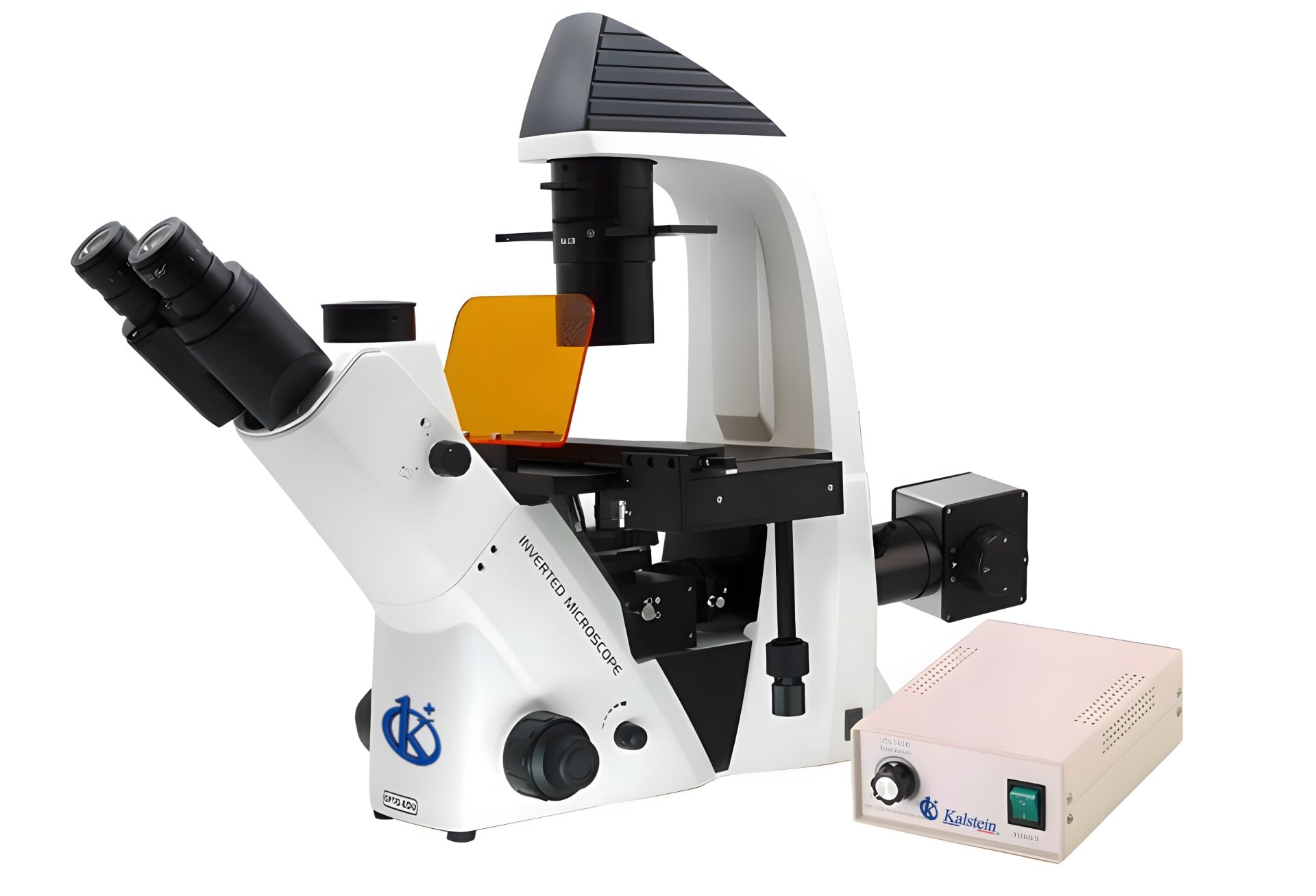
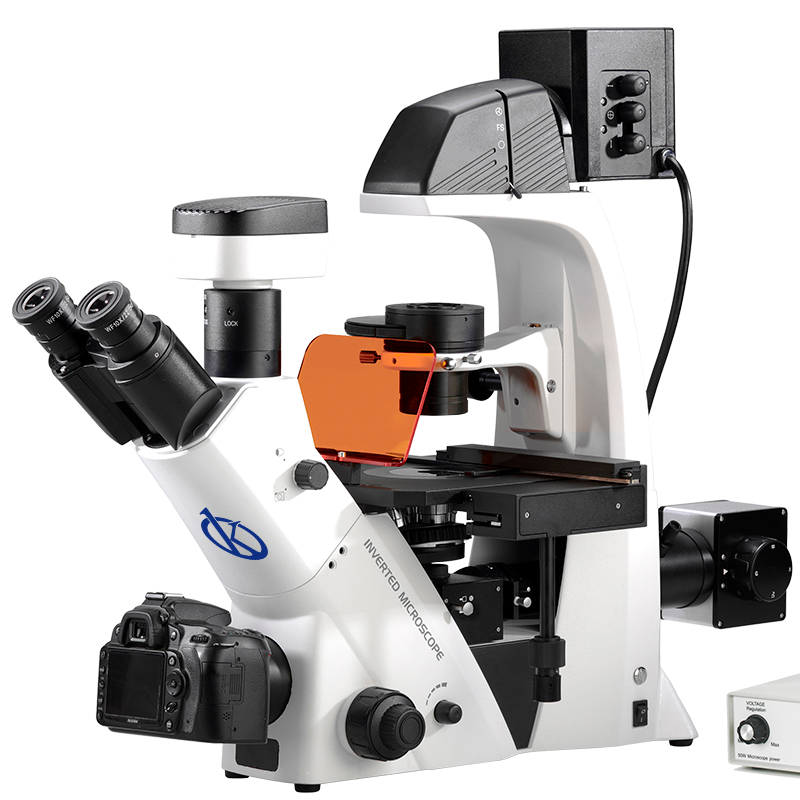
YR06652 Trinocular Inverted LED Fluorescent Microscope
Frequently Asked Questions
What applications is the YR06652 microscope best suited for? It is specially designed for cell culture, molecular biology, biomedical and pharmaceutical research, and university laboratories where live samples are handled in plates or flasks. Does it include phase contrast objectives? Yes, it includes an LWD Infinity Plan PH 20x phase contrast objective, ideal for observing live cells without staining. Can a digital camera be connected? Yes, its trinocular head allows the integration of cameras for image and video capture, facilitating documentation and analysis. What is the difference between halogen and LED illumination? Halogen provides classic, continuous illumination, while the optional 5W LED reduces energy consumption and heat generation, extending system lifespan.Advantages and Disadvantages
Advantages: • Inverted design ideal for cell cultures and live samples • Infinity Plan system with high optical fidelity • LWD objectives that facilitate work with tall containers • Stable and efficient 5W LED fluorescence • Compatibility with brightfield and phase contrast • Excellent price–performance ratio within its category Possible Disadvantages: • Does not include all advanced fluorescence filters as standard • Requires adequate laboratory space due to its professional size • Some advanced configurations may require additional accessoriesProduct Use in Practice
In daily practice, the YR06652 Trinocular Inverted LED Fluorescence Microscope is used to monitor cell cultures in real time, evaluate cell morphology, perform viability analyses, and observe fluorescent markers without altering samples. It is widely used in research laboratories, pharmaceutical industries, biotechnology centers, and universities, where precision and optical system stability are critical for obtaining reproducible results.Recommendations
To maximize equipment performance, it is recommended to periodically calibrate the illumination, keep objectives clean, and use LED fluorescence for prolonged work to reduce sample heating. In addition, complementing the system with a suitable digital camera helps optimize documentation and data analysis.Technical Specifications
| Model | YR06652 |
| Objective type | Infinity Plan / Phase Contrast |
| Objective characteristics | LWD |
| Nosepiece positions | 5 positions |
| Eyepiece | WF 10x / 22 mm, 2 pcs |
| Eyepiece diameter | 30.0 mm |
| Eyepiece features | Adjustable diopter |
| Main light path | E100:P0 / E20:P80 |
| Interpupillary distance | 48 – 76 mm |
| Head type | Trinocular Seidentopf |
| Optical system | Infinity Plan |
| Optical characteristics | Infinity |
| Condenser | Quickly removable, WD 72 mm, up to 195 mm without condenser |
| Condenser NA | 0.3 |
| Condenser type | LWD / ELWD |
| Condenser features | Slot for PH slide |
| Focusing functions | Adjustable tension |
| Working stage | Round sliding stage Ø110 mm, Dolder culture dish 54 mm |
| Stage size | 210 × 241 mm |
| Stage type | Fixed flat stage |
| Stage features | Size > 140 × 140 mm |
| Objectives included | LWD Infinity Plan: LPL 10x/0.25 (WD = 8.3 mm); LPL 20x/0.40 (WD = 7.2 mm); LPL 40x/0.60 (WD = 3.4 mm) |
| Phase contrast objective | LWD Infinity Plan Phase Contrast: LPL PH 20x/0.40 (WD = 7.2 mm) |
Detailed analysis of microscopes for an effective and safe choice
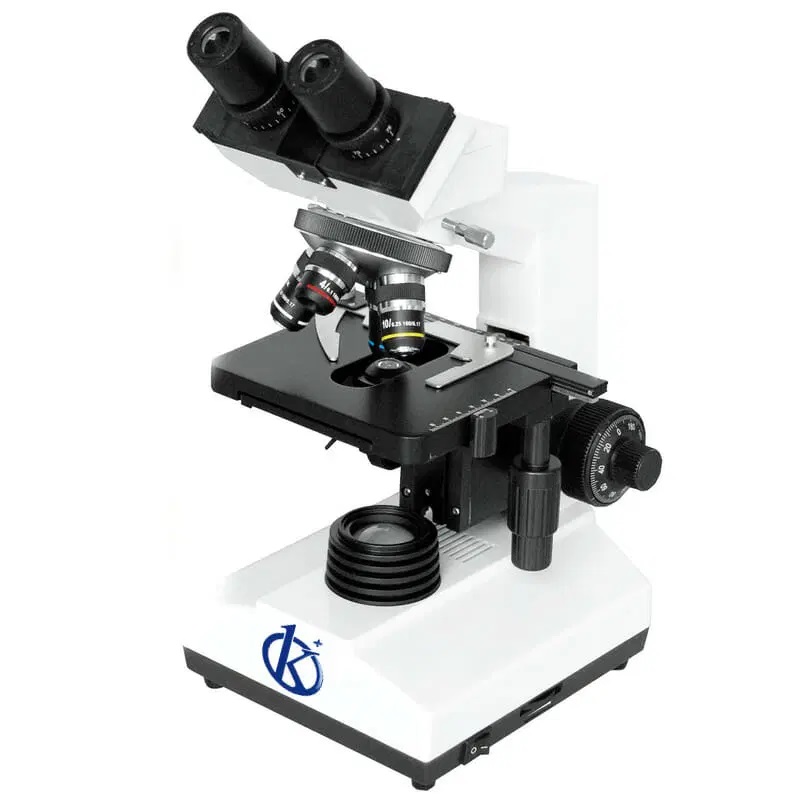
The World of Microscopes: Exploring the Cutting-Edge Technology by Kalstein
Microscopes by Kalstein Kalstein is renowned for its cutting-edge technology and precision in creating advanced laboratory equipment, and their microscopes are no exception. Known for their high quality and innovation, the microscopes produced by Kalstein have become a staple in numerous laboratories around the world. With an emphasis on clarity, durability, and ease of use, these microscopes cat
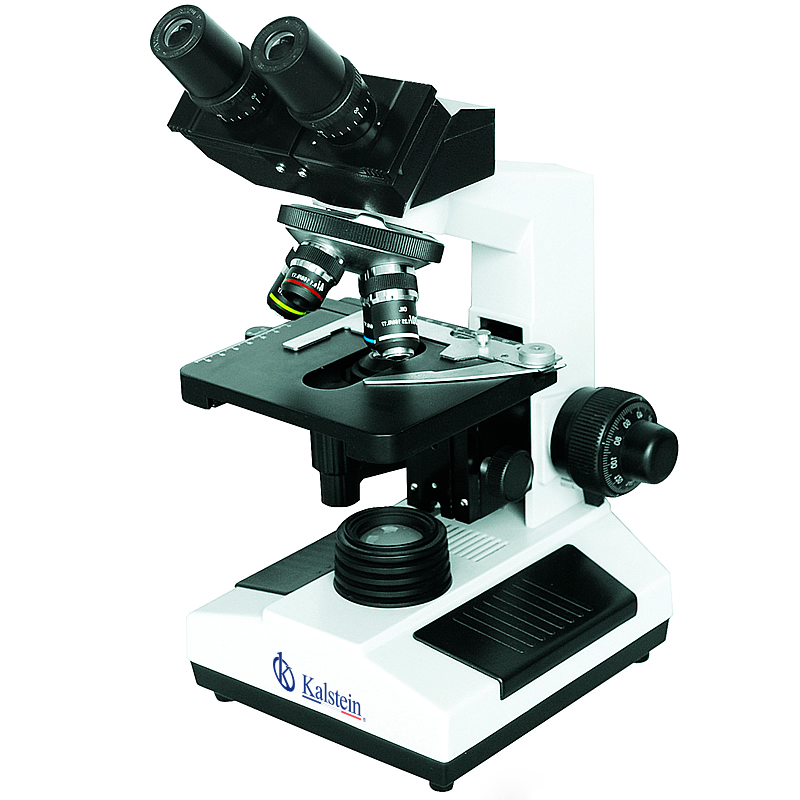
Microscope Comparison: Kalstein vs AmScope
In the realm of microscopy, choosing the right tool is essential for scientific discovery and learning. Among student microscopes, two well-regarded models are the Binocular Student Biological Microscope YR0242 // YR0242-1 by Kalstein and the Compound Student Microscope by AmScope. While both are designed for educational purposes, their functionalities and features cater to slightly different need
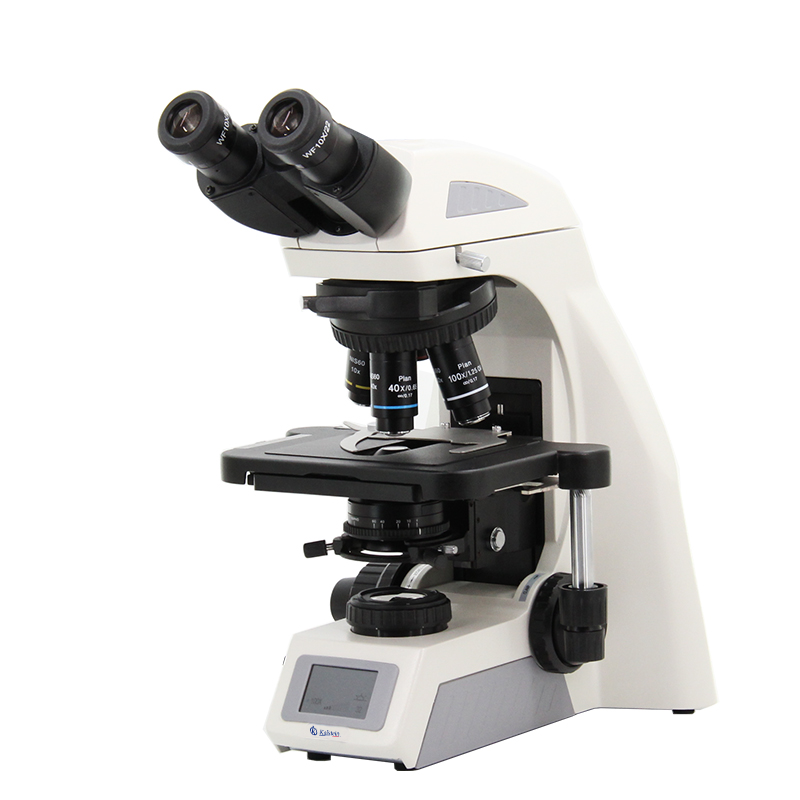
Comparative Analysis of Laboratory Biological Microscope YR0267A - YR0267B from Kalstein and Olympus CX23 Upright Microscope
The advancements in microscopy have revolutionized the biological sciences, allowing a detailed view into the microscopic world. Among the leading microscopes on the market are the Laboratory Biological Microscope YR0267A - YR0267B by Kalstein and the CX23 Upright Microscope from Olympus. Both instruments promise exceptional quality and precision, yet subtle differences make one more adaptable to
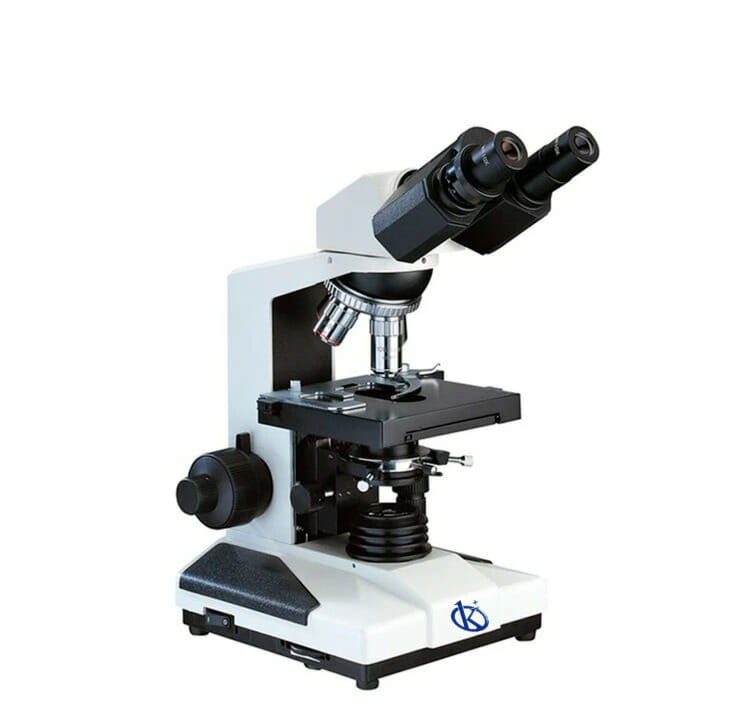
High-Resolution Microscopes: Clarity in Scientific Research
Modern scientific research requires precision tools that provide the clarity and detail needed to advance knowledge. One of the most essential instruments in this process is the microscope, a tool that has evolved with technological advancements to offer increasingly sharper resolutions and functionalities tailored to different fields of knowledge.
microscopes offer catalog
Guides about microscopes
Complete guides to choose microscopes
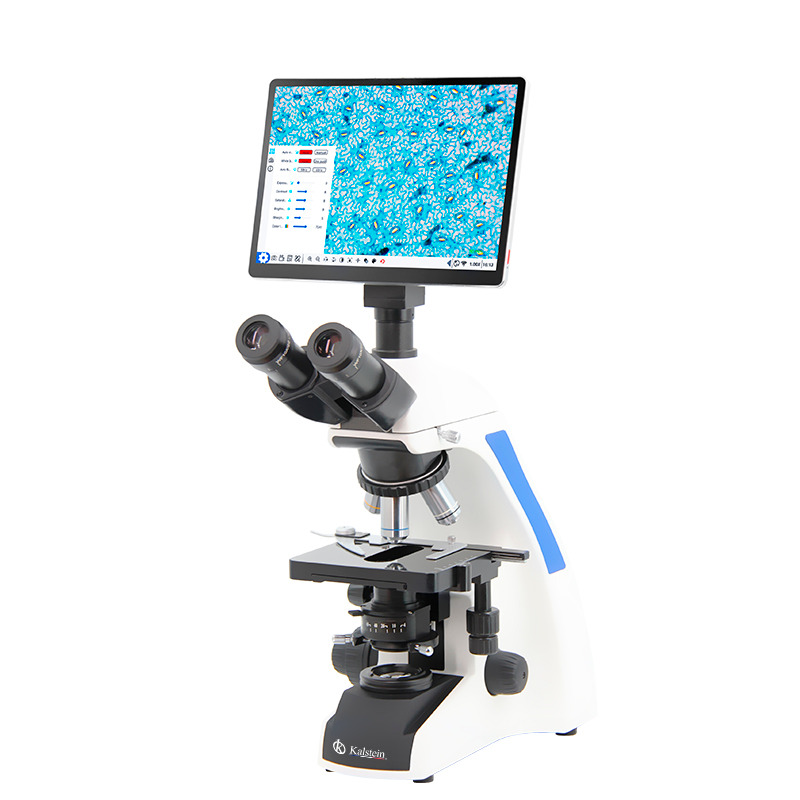
High-Resolution Optical Microscopes: Precision for Scientific Research
Kalstein's optical microscopes stand out for their precision, image quality, and durability. If you have worked with laboratory instruments, you know that reliability and the ability to obtain clear results are essential.
Leer más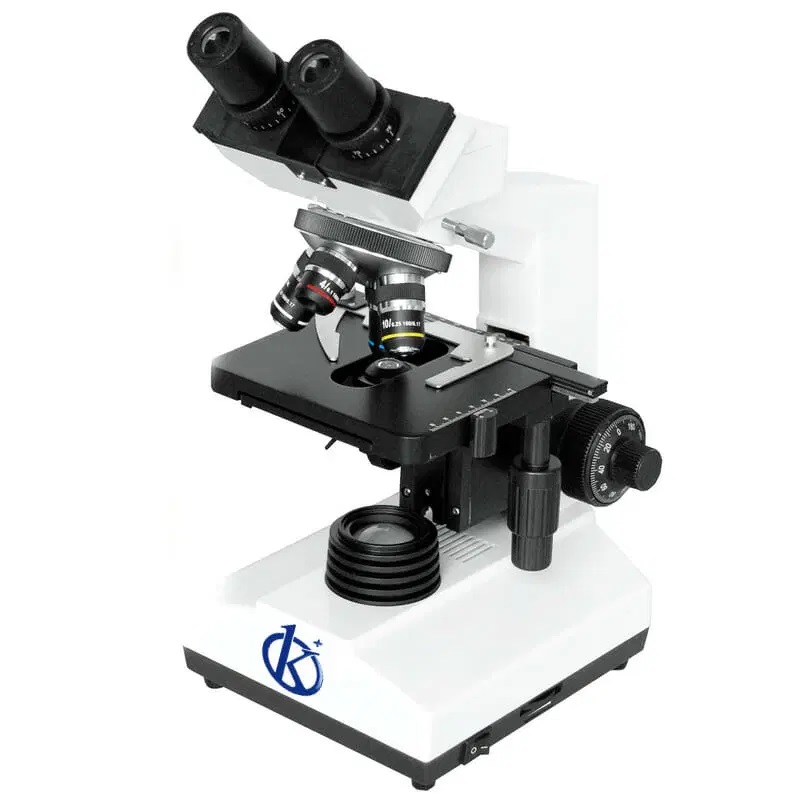
Laboratory Microscopes: Detailed Exploration for Precision Scientific Research
The advancement of scientific research is intrinsically linked to the use of tools that facilitate the detailed observation and analysis of tiny elements. Among them, laboratory microscopes are essential for conducting precision research in
Leer másHigh-Definition Microscopes for Precise Scientific Research
The quality and precision of microscopes are crucial for the advancement of scientific research. Based on my personal experience with various types of microscopes, I can confidently say that high-definition microscopes, like those offered b
Leer más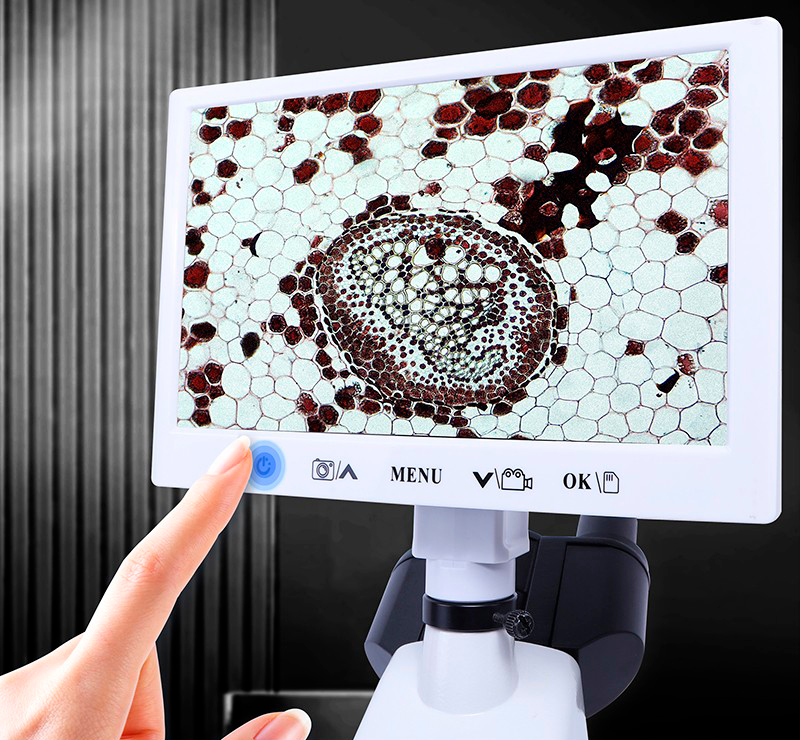
Mighty Microscope Matchup: Kalstein's Dual Lens vs Plugable Digital Models
In the realm of portable digital microscopes, innovation and functionality are paramount. Two notable contenders are the "Biological + USB Portable Dual Lens Digital Microscope YR05783 // YR05786" by Kalstein and the "Plugable USB 2.0 Digit
Leer másFrequently asked questions about Microscopes
How to know the prices of Microscopes?
To know the price of Microscopes, please send us an email with your request through the contact form AQUI.
What are the delivery times for Microscopes?
Delivery time depends on stock availability and freight type (air or sea). In stock: air 15-30 days, sea 45-60 days. Out of stock: air 30-60 days, sea 60-90 days.
How to make a purchase of Microscopes?
You can buy by email ([email protected]), phone (+33 (0) 1 70 39 26 50) or through the official Kalstein website in your country.
How does the warranty work for Microscopes?
All Kalstein equipment comes with a 1-year warranty against manufacturing defects. The warranty does not cover damage from improper installation or misuse. See our «terms and conditions» AQUI.
Can I request a quote online for Microscopes?
Yes, you can request a quote for the Kalstein equipment you are interested in directly from our official website. Click AQUI.