Chest Freezers: Applications in Research, Biotechnology, and Academia 2026
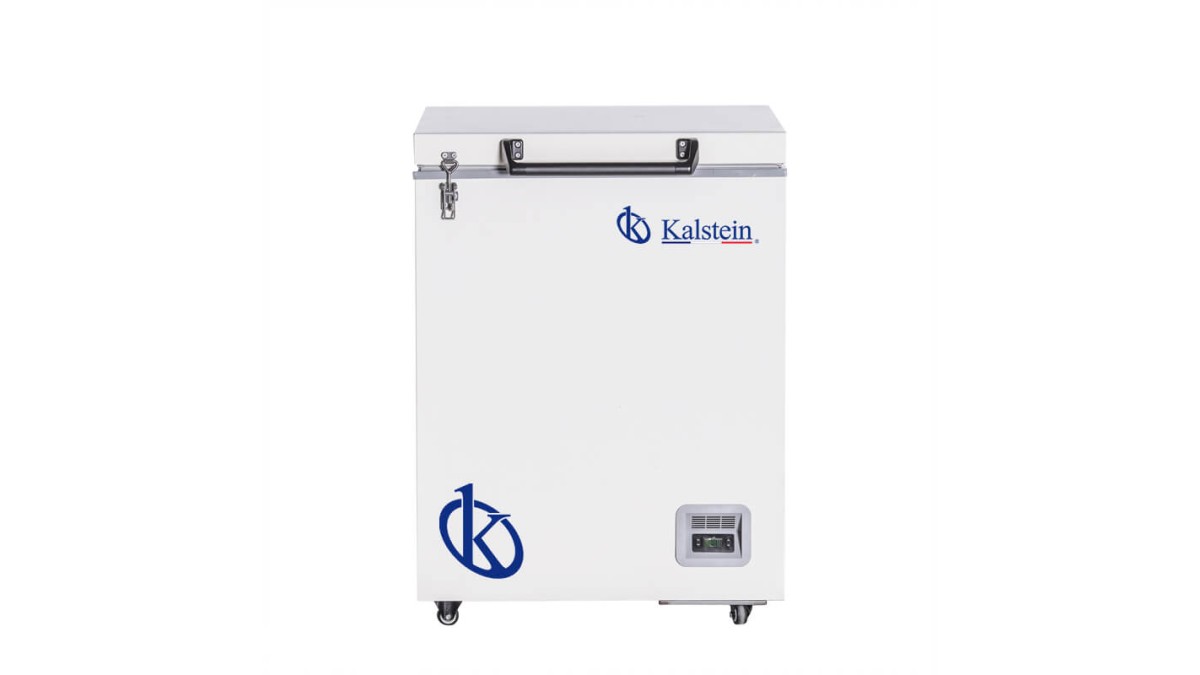
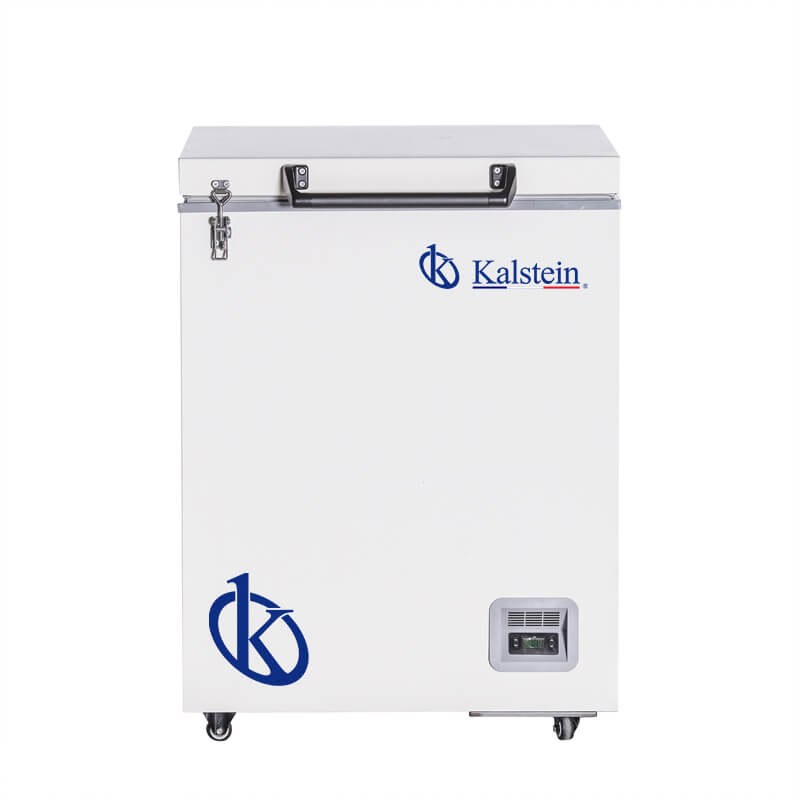
Chest freezers play a critical role in various laboratory settings, providing essential temperature control for biological samples, reagents, and other sensitive materials. In 2026, understanding their effective use is paramount for laboratory professionals. This article delves into the applications, best practices, and protocols associated with chest freezers, while also exploring multiple models available in the market.
What is it used for in 2026
In 2026, chest freezers are primarily utilized in research laboratories, biotechnology firms, and academic institutions for their ability to maintain consistent, low temperatures necessary for storing biological samples such as enzymes, vaccines, and cellular cultures. They are essential for the preservation of specimens that require ultra-low temperatures, thus preventing degradation and ensuring reliability during experiments and clinical trials.
History and evolution of the technology
The technology behind chest freezers has undergone significant evolution since its inception. Initially designed for domestic use, these freezers have been adapted for commercial and laboratory applications. Over the decades, advancements in refrigeration technology, such as the introduction of eco-friendly refrigerants and microprocessor controls, have improved their efficiency, reliability, and environmental impact. Today’s models offer enhanced features like advanced temperature monitoring and alarm systems, making them indispensable in modern laboratories.
How to use it step by step
Using a chest freezer efficiently involves several steps:
- Setting Up: Choose a suitable location that maintains a stable ambient temperature.
- Initial Testing: Before loading samples, run the unit to ensure it reaches the desired temperature.
- Loading Samples: Organize samples in appropriate containers and avoid overloading to ensure optimal air circulation.
- Temperature Monitoring: Regularly check the temperature display and set alarms for any deviations.
- Regular Maintenance: Periodically clean the freezer and check seals to maintain efficiency.
Best techniques and protocols
To ensure optimal performance of chest freezers, adhering to best practices is crucial:
- Utilize data loggers for continuous temperature monitoring.
- Implement a sample organization system for easy access and inventory management.
- Conduct regular defrosting and cleaning routines to prevent ice build-up.
- Train staff on proper loading techniques and emergency protocols.
Practical applications by laboratory type
Chest freezers serve diverse applications depending on the laboratory type:
- Research Laboratories: For storing biological specimens, reagents, and chemicals.
- Biotechnology Firms: For long-term storage of genetically modified organisms and bio-samples.
- Academic Institutions: For preserving educational specimens and research projects.
Regulations, standards and certifications
Chest freezers must comply with various regulations and standards to ensure safety and efficiency. Key certifications include:
- ISO 9001 for quality management systems.
- CE marking for compliance with European health, safety, and environmental standards.
- UL certification for adherence to safety standards in North America.
Comparison with alternative technologies
While chest freezers are popular, alternative technologies such as cryogenic freezers and ultra-low temperature freezers exist. Here’s a brief comparison:
- Chest Freezers: Typically operate at -20°C to -40°C, suitable for many laboratory applications.
- Cryogenic Freezers: Reach temperatures below -150°C, ideal for long-term preservation of cellular materials.
- Ultra-low Temperature Freezers: Operate at -60°C to -86°C, suitable for vaccines and sensitive biological samples.
Comparison of available models
| Model | Best for | Key specs | Recommended use case |
|---|---|---|---|
| YR05102 | General laboratory use | Adjustable temperature -10 to -40°C, 1.65 kWh/23h, noise 50 db | Storing enzymes and biological samples |
| YR05103 | General laboratory use | Adjustable temperature -10 to -40°C, 1.68 kWh/23h, noise 52 db | Storing reagents and samples |
| YR05104 | General laboratory use | Adjustable temperature -20 to -40°C, 3.45 kWh/23h, noise 55 db | Storing larger volumes of samples |
| YR05314 | Ultra-low temperature storage | Adjustable temperature -40 to -86°C, 11.5 kWh/24h, noise 54.5 db | Long-term storage of vaccines |
| YR05313 | Ultra-low temperature storage | Adjustable temperature -40 to -86°C, 3.8 kWh/24h, noise 50 db | Small scale storage of sensitive samples |
| YR05315 | Biomedical applications | Adjustable temperature -25 to -60°C, 3.2 kWh/24h, noise 53 db | Storing blood and biological materials |
Common mistakes and how to avoid them
Laboratory professionals often encounter several pitfalls when using chest freezers:
- Overloading: Prevents proper air circulation, leading to inconsistent temperatures.
- Neglecting Maintenance: Forgetting to defrost or clean can lead to reduced efficiency.
- Ignoring Alarms: Always respond to temperature alarms immediately to protect stored materials.
Maintenance, calibration and good practices 2026
To ensure longevity and performance:
- Calibrate temperature controls regularly.
- Conduct routine inspections of seals and insulation.
- Establish a maintenance schedule that includes cleaning and defrosting.
Cost-benefit analysis 2026
Investing in chest freezers can yield significant benefits:
- Cost Efficiency: Energy-efficient models reduce electricity costs over time.
- Sample Preservation: Proper storage prevents material loss, ensuring reliable research outcomes.
- Versatility: Different models cater to various laboratory needs, enhancing operational flexibility.
Frequently asked questions
What temperature range should I set my chest freezer to?
The ideal temperature range generally depends on the materials being stored but typically falls between -10°C and -40°C for most laboratory applications.
How often should I monitor the temperature of my chest freezer?
Temperature should be monitored daily, especially for sensitive materials, to ensure they remain within the required range.
Can I store liquid nitrogen in a chest freezer?
It is not recommended to store liquid nitrogen in a chest freezer, as it requires special storage conditions and equipment.
What should I do if my chest freezer alarm goes off?
Immediate action is required; check the temperature display, inspect the freezer for power issues, and verify that it is functioning properly.
Is regular maintenance necessary for chest freezers?
Yes, regular maintenance such as defrosting, cleaning, and calibrating is essential to ensure optimal performance and longevity of the unit.
How can I prevent ice build-up in my chest freezer?
Avoid overloading the freezer, ensure the seals are intact, and perform regular defrosting to minimize ice accumulation.
What are some recommended practices for loading samples into a chest freezer?
Organize samples in containers, avoid blocking the air vents, and keep the freezer organized to allow for efficient use of space.
If you are looking for a fusion of innovation and quality, you have come to the right place. At Kalstein, we offer you the luxury of exploring our exclusive catalog of laboratory equipment. We manufacture every device to the highest standards of excellence. Our intuitive and seamless online purchasing channels are designed for your convenience, securing the most competitive prices. Hesitate no longer — we bring science to life, it is time to become part of our community.