Autoclaves
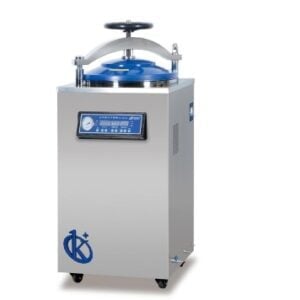
Autoclaves are essential devices used in laboratories and medical settings for sterilization. They utilize high-pressure steam to eliminate microorganisms from tools and materials, ensuring a sterile environment for experiments and clinical procedures.
Choosing the right autoclave for your laboratory can enhance operational efficiency and safety. Understanding the different types and their applications is crucial for meeting your specific sterilization needs.
Types of autoclaves your laboratory may need
Horizontal autoclave
Horizontal autoclaves are designed for larger volumes and are often used in hospital settings. They provide efficient sterilization for bulk items, making them ideal for surgical instruments and laboratory equipment.
These devices offer easy loading and unloading, along with advanced features like programmable cycles, ensuring effective sterilization every time.
Vertical autoclave
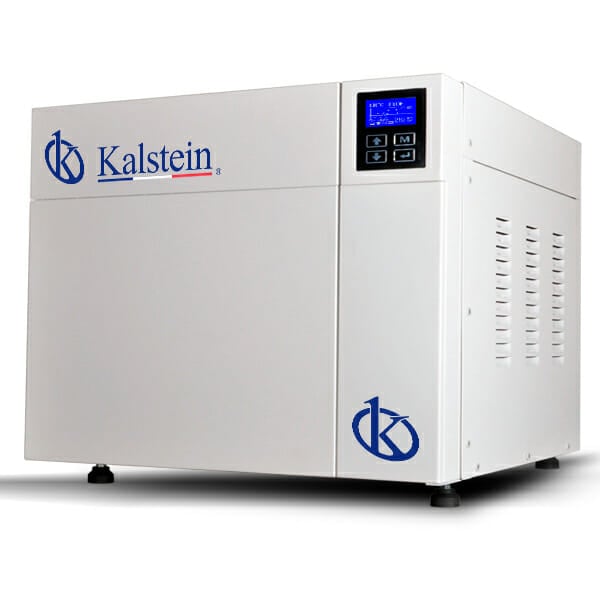
Vertical autoclaves are more compact and are usually used for sterilizing smaller items. They are commonly found in laboratories and clinics where space is a constraint.
This type of autoclave often features a lid that opens upward, allowing for convenient access and operation, making it a practical choice for various applications.
What you should know before selecting a autoclaves and making an investment
Key factors to consider
When selecting an autoclave, consider the volume of items you need to sterilize, the types of materials, and the frequency of use. Different autoclaves have varying capabilities, so ensure that the one you choose meets your laboratory's specific needs.
It's also important to evaluate the energy efficiency and operational costs associated with different models to ensure long-term value.
Market price range
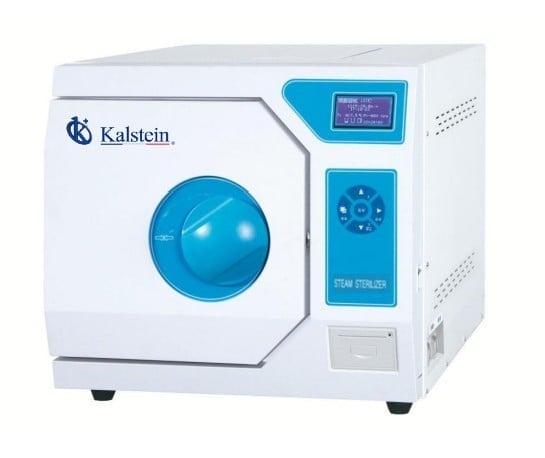
The price of autoclaves can vary significantly based on their size, features, and technology. Entry-level models may start around a few thousand dollars, while advanced units can exceed tens of thousands.
Understanding the market price range helps in budgeting and ensures that you make an informed decision without compromising quality or necessary features.
Value for money
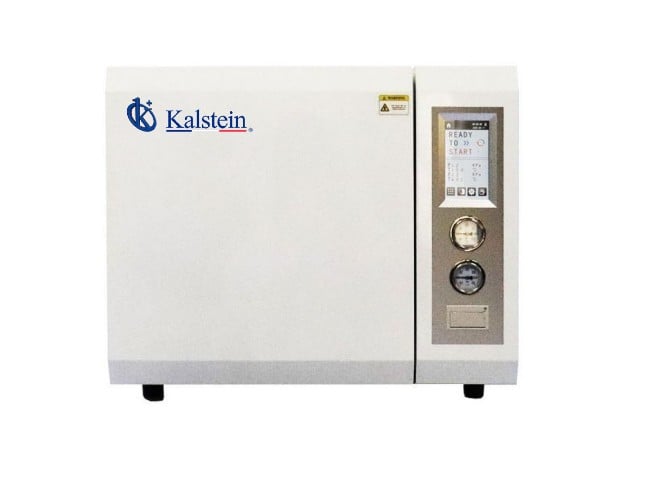
Investing in an autoclave should be viewed as a long-term decision. Assess the total cost of ownership, including maintenance, operational costs, and potential repairs. A higher initial investment might offer better reliability and efficiency in the long run.
Researching brands and models can provide insights into their reputations for durability and performance, ensuring you get the best value for your budget.
Expected lifespan based on use and maintenance
The lifespan of an autoclave is influenced by its usage patterns and maintenance practices. Regular servicing and proper care can extend the life of the equipment, while neglect can lead to premature failure.
Most quality autoclaves have a lifespan of several years, but understanding the manufacturer's guidelines on maintenance will help you maximize your investment.
AUTOCLAVES KALSTEIN
Discover autoclaves for your laboratory
Explore our range of autoclaves designed to meet the diverse needs of laboratories and medical facilities. Our products combine reliability, efficiency, and advanced technology to ensure optimal sterilization processes.
Vertical type pressure steam autoclave with LCD display YR06941 // YR06944
It is the ideal solution for sterilization in laboratories, hospitals, and other scientific facilities requiring high-quality sterilization processes.
View productYR06706 Benchtop Autoclave
The YR06706 Benchtop Autoclave is a high-performance sterilizer designed for clinical laboratories, universities, scientific research centers, and ins
View productBenchtop autoclave with pulsating vacuum, class B, with LCD display YR06926 // YR06930
The YR06926 // YR06930 Class B pulsed vacuum benchtop autoclave is an advanced sterilization solution for medical, laboratory, and research environmen
View productYR06828 Class B benchtop pulsating vacuum autoclave
The YR06828 Class B Benchtop Pulsed Vacuum Autoclave is an advanced sterilization solution designed to meet the demanding needs of medical and laborat
View productOur best-selling autoclaves
Benchtop autoclave with pulsating vacuum, class B, with LCD display YR06926 // YR06930
The YR06926 and YR06930 autoclaves feature chamber volumes ranging from Ø170×320 mm for the smallest model to Ø300×452 mm for the largest, enabling the sterilization of a wide variety of equipment and materials. With microprocessor control and a 4.3″ LCD touchscreen, these autoclaves provide easy operation and real-time monitoring of temperature, pressure, and sterilization time. Furthermore, their preset sterilization cycle, along with the ability to customize cycles and perform vacuum tests, offers flexibility to meet diverse user needs.
Design and Technology (Functionality)
The YR06926 // YR06930 autoclave stands out for its pulsating vacuum system, which ensures deeper and more uniform sterilization by eliminating any trace of air that could compromise the effectiveness of the process. Its SS304 stainless steel construction makes it durable, robust, and easy to maintain. Furthermore, the temperature accuracy of 0.1°C and thermal uniformity of ≤1°C guarantee consistent results. The vacuum level of -0.081 MPa ensures excellent air evacuation and improves the efficiency of the sterilization cycle.
Frequently Asked Questions
- What is the difference between the YR06926 and YR06930 models?The main difference lies in the chamber volume and product dimensions. The YR06926 is suitable for smaller volumes (8 liters), while the YR06930 offers a larger capacity (30 liters) for more demanding sterilization processes.
- Is this autoclave suitable for sterilizing medical instruments?Yes, this autoclave is designed to sterilize a variety of medical, laboratory, and research instruments, making it especially useful in clinics, hospitals, and research laboratories.
- Can I customize the sterilization cycles?Yes, the YR06926 // YR06930 allows for customization of the sterilization cycles, providing great flexibility according to the specific needs of the user.
Advantages and Disadvantages
Advantages:
- Reliable sterilization: Thanks to its pulsating vacuum system, it ensures complete elimination of microorganisms.
- Easy to use: The LCD screen and microprocessor control make its operation intuitive.
- Versatility: With different volumes, it is suitable for both small and medium-sized installations.
- Durability: Made of high-quality stainless steel, ensuring a long service life.
Disadvantages:
- Size: Although compact, models with higher capacity (such as the YR06930) may be bulkier and require more space in the laboratory or clinic.
- Initial cost: The price is competitive for a team in its category, but it is important to consider the initial investment.
Product Use in the Field
The YR06926/YR06930 autoclave is ideal for use in research laboratories , dental clinics , hospitals , pharmaceutical laboratories , and veterinary laboratories . Its ability to sterilize equipment of different sizes and types makes it an indispensable tool in the healthcare and scientific research sectors. In a clinical setting, it is commonly used for sterilizing surgical instruments , laboratory materials , and diagnostic equipment .
Recommendations
To maximize the performance and lifespan of the autoclave, the following is recommended:
- Perform regular maintenance to ensure that autoclave components, such as seals and pressure valves, are in optimal condition.
- Use appropriate sterilization cycles according to the type of material to be sterilized.
- Do not overload the chamber to ensure that sterilization is effective on all objects.
- Regular cleaning of the camera and exterior surfaces to prevent the accumulation of residue.
Technical Specifications
| Model | YR06926 | YR06927 | YR06928 | YR06929 | YR06930 |
| Volume | 8 Liters | 12 Liters | 18 Liters | 24 Liters | 30 Liters |
| Camera Volume | Ø170×320 mm | Ø200×355 mm | Ø250×370 mm | Ø250×452 mm | Ø300×452 mm |
| Design Pressure | -0.1/0.3 MPa | -0.1/0.3 MPa | -0.1/0.3 MPa | -0.1/0.3 MPa | -0.1/0.3 MPa |
| Work Pressure | 0-0.22 MPa | 0-0.22 MPa | 0-0.22 MPa | 0-0.22 MPa | 0-0.22 MPa |
| Operating Temperature | 105-134°C | 105-134°C | 105-134°C | 105-134°C | 105-134°C |
| Sterilization Program | Preset cycle + User-defined cycle + Test cycle | Preset cycle + User-defined cycle + Test cycle | Preset cycle + User-defined cycle + Test cycle | Preset cycle + User-defined cycle + Test cycle | Preset cycle + User-defined cycle + Test cycle |
| Sterilization Time | 0-99 min | 0-99 min | 0-99 min | 0-99 min | 0-99 min |
| Drying Time | 0-99 min | 0-99 min | 0-99 min | 0-99 min | 0-99 min |
| Vacuum Rate | -0.081 MPa | -0.081 MPa | -0.081 MPa | -0.081 MPa | -0.081 MPa |
| Temperature Accuracy | 0.1°C | 0.1°C | 0.1°C | 0.1°C | 0.1°C |
| Average Heat | ≤1°C | ≤1°C | ≤1°C | ≤1°C | ≤1°C |
| Power | 1.5 kW | 1.8 kW | 2.2 kW | 2.2 kW | 2.8 kW |
| Product Dimensions | 445×580×400 mm | 445×580×400 mm | 480×590×450 mm | 480×690×450 mm | 580×690×450 mm |
| Package Dimensions | 650×500×450 mm | 650×500×450 mm | 670×560×510 mm | 670×560×510 mm | 670×560×610 mm |
| Gross Weight/Net Weight | 45/42 kg | 48/44 kg | 57/48 kg | 60/53 kg | 68/57 kg |
Detailed analysis of autoclaves for an effective and safe choice
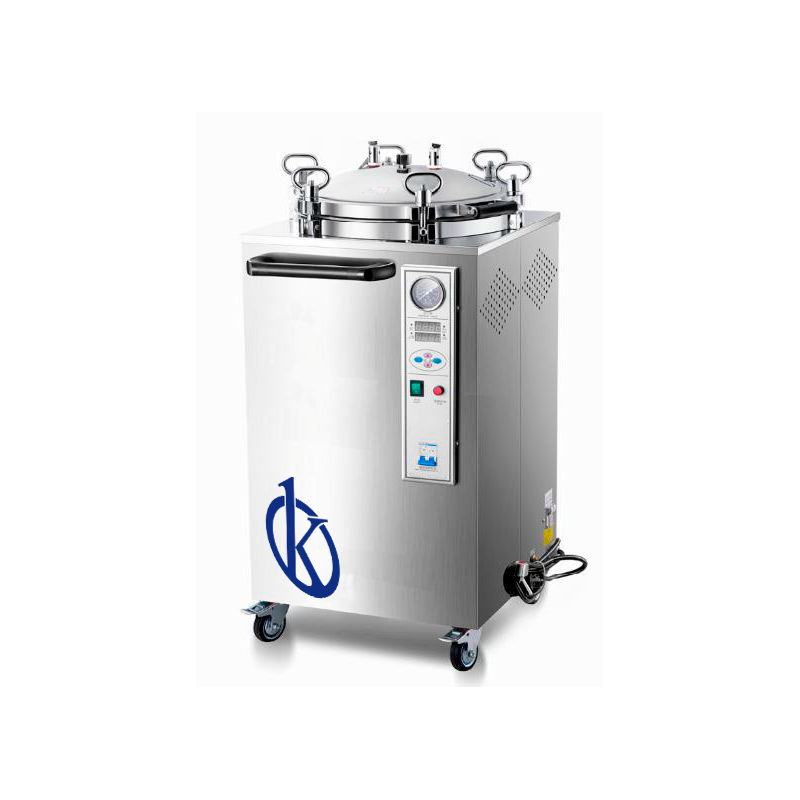
Pressure Steam Autoclave With Drying YR05655 // YR05660 vs. Tuttnauer EZ10: A Technical Comparison
Autoclaves are essential in any laboratory setting, ensuring the sterilization of equipment and instruments effectively. The Pressure Steam Autoclave With Drying YR05655 // YR05660 by Kalstein and the Tuttnauer EZ10 are two prominent models in the market. Both offer unique features tailored to meet diverse laboratory needs. The Kalstein Pressure Steam Autoclave With Drying YR05655 // YR05660 stan
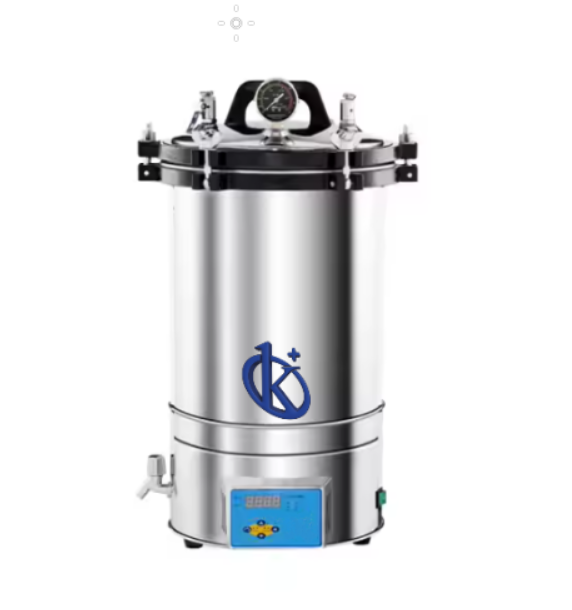
Comparative Study of Portable Steam Autoclaves: Kalstein vs. Tuttnauer
In the rapidly advancing field of laboratory equipment, choosing the right autoclave can significantly impact efficiency and results. Today, we’re comparing two popular models: the Digital Display Portable Steam Autoclave YR05701 // YR05703 from Kalstein and the Portable Steam Autoclave 2540MB from Tuttnauer. Both products are designed to meet the demanding needs of sterilization in laboratory set
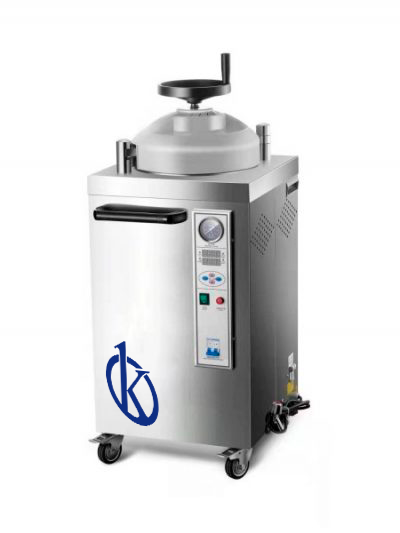
Exploring the World of Autoclaves: A Deep Dive into Kalstein's Offerings
Kalstein Autoclaves: Unmatched Expertise and Reliability When it comes to laboratory equipment, Kalstein has positioned itself as a leader in the field, particularly with their autoclaves. Known for their precision and reliability, these sterilization devices are crafted to meet the demanding needs of modern laboratories. With years of experience in the industry, Kalstein's autoclaves are enginee
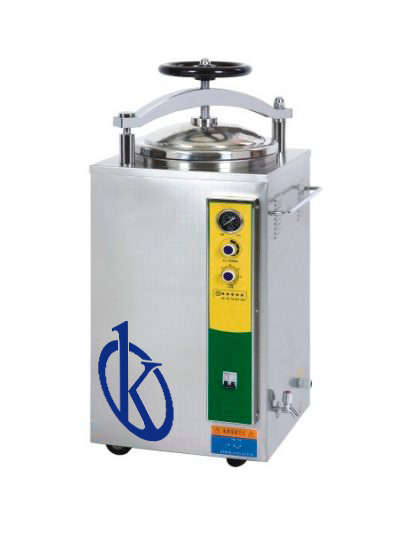
Kalstein Autoclave YR05669/YR05672 vs. All-American 1925X: The Ultimate Comparison
Choosing the right autoclave for your laboratory is crucial for efficient and effective sterilization. In this article, we compare two prominent products in the market: the Hand Wheel Pressure Steam Autoclave Sterilizer YR05669 // YR05672 by Kalstein and the Portable Pressure Steam Autoclave Model 1925X by All-American. Each of these autoclaves offers unique features and benefits tailored to diffe
autoclaves offer catalog
Guides about autoclaves
Complete guides to choose autoclaves
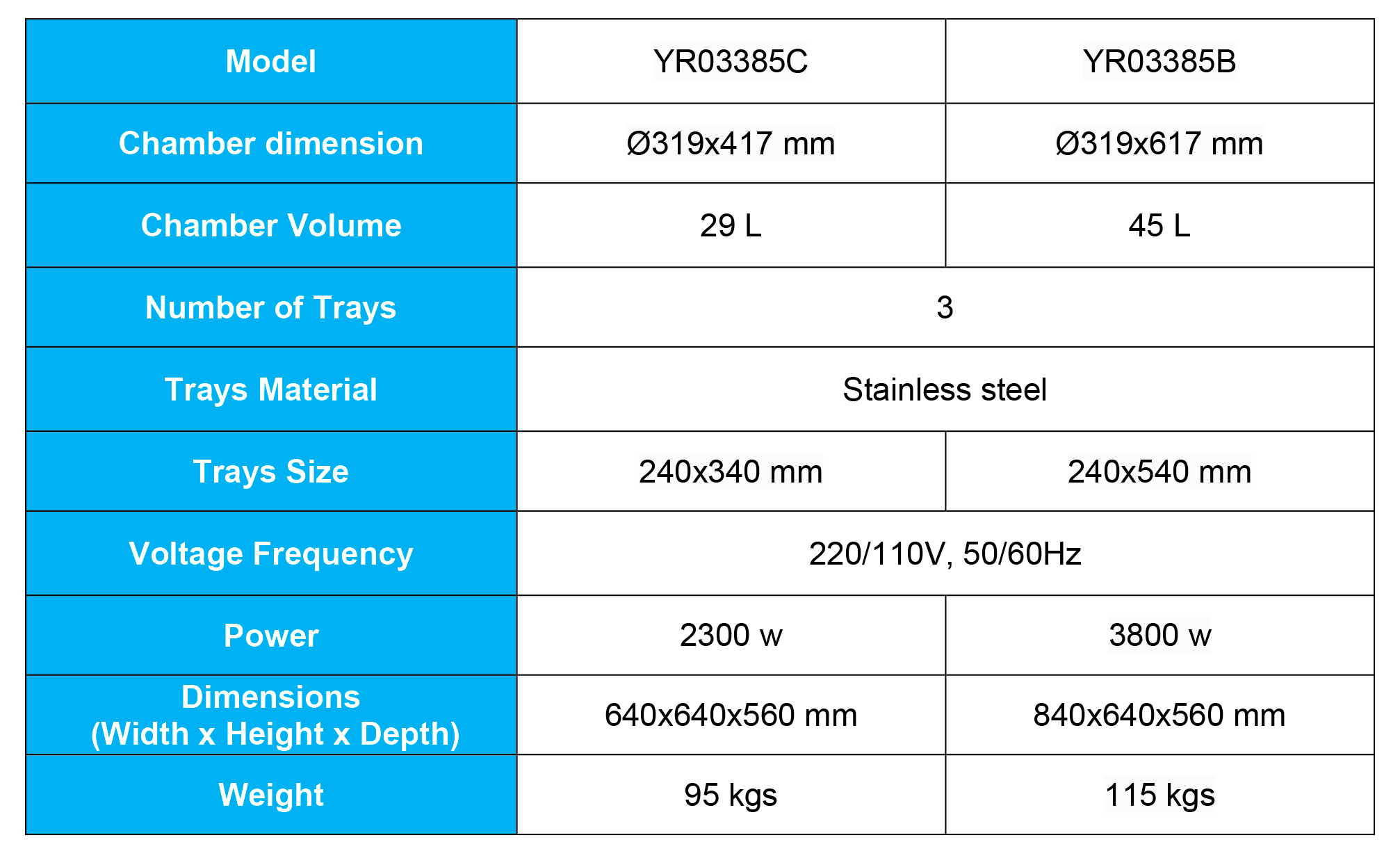
Class B Benchtop Autoclave YR03385B-YR03385C vs. Tuttnauer EZ9: A Comprehensive Comparison
The process of sterilization is vital in various industries, especially in the medical and laboratory fields. Autoclaves, which use pressurized steam to sterilize equipment and other objects, play a crucial role in this process. Today, we'l
Leer más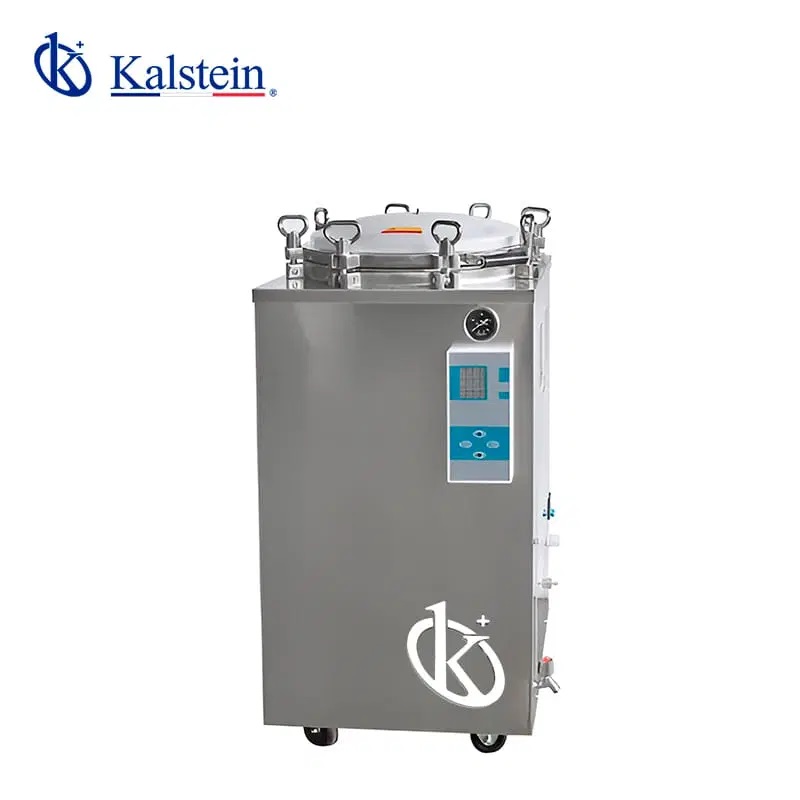
Technology in Autoclaves: Safety and Precision in Sterilization Processes
Autoclaves are essential tools in any laboratory environment, ensuring the elimination of microorganisms through sterilization processes involving high temperature and pressure. These devices not only provide a crucial level of safety in ha
Leer más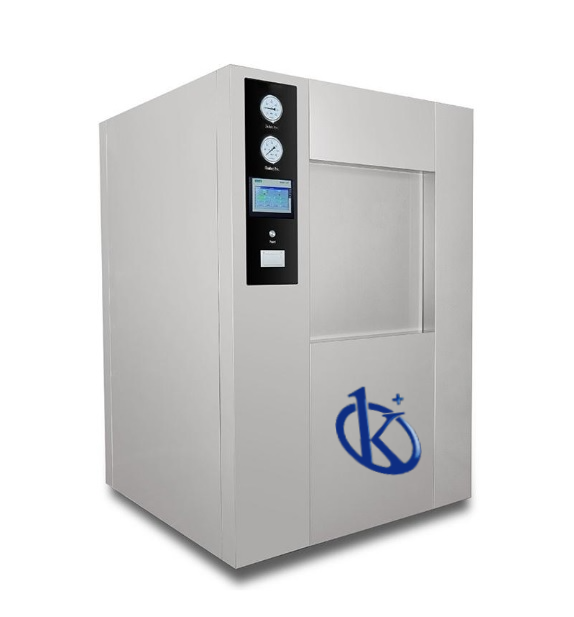
Advance in Autoclaves: Guarantee of Safe and Rapid Sterilization
When working in a laboratory, one of the most essential pieces of equipment is the autoclave. This device ensures that all materials, from surgical tools to culture media, are completely sterilized, eliminating any risk of contamination.
Leer másLaboratory Autoclaves: Fast and Efficient Sterilization for a Safe Environment
Autoclaves are essential equipment in the modern laboratory environment. Their ability to provide efficient and fast sterilization of instruments, materials, and culture media ensures safety and precision in scientific results. As a user wh
Leer másFrequently asked questions about Autoclaves
How to know the prices of Autoclaves?
To know the price of Autoclaves, please send us an email with your request through the contact form AQUI.
What are the delivery times for Autoclaves?
Delivery time depends on stock availability and freight type (air or sea). In stock: air 15-30 days, sea 45-60 days. Out of stock: air 30-60 days, sea 60-90 days.
How to make a purchase of Autoclaves?
You can buy by email ([email protected]), phone (+33 (0) 1 70 39 26 50) or through the official Kalstein website in your country.
How does the warranty work for Autoclaves?
All Kalstein equipment comes with a 1-year warranty against manufacturing defects. The warranty does not cover damage from improper installation or misuse. See our «terms and conditions» AQUI.
Can I request a quote online for Autoclaves?
Yes, you can request a quote for the Kalstein equipment you are interested in directly from our official website. Click AQUI.