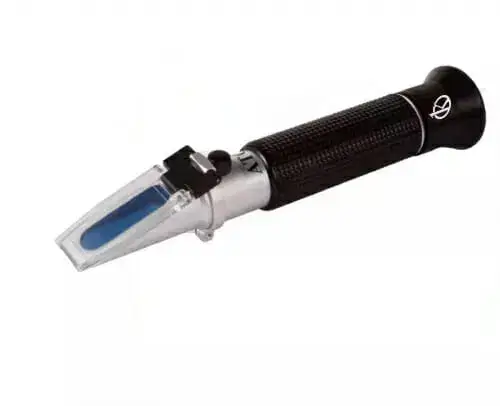
Wine Refractometers: Best Techniques and Protocols for 2026
Wine refractometers are essential tools for laboratory professionals in the wine industry. These devices allow for accurate measurements of sugar content and alcohol levels in wine, ensuring quality control and consistency in wine production.
What is it used for in 2026
In 2026, wine refractometers are primarily used to measure the sugar concentration (in Brix) and potential alcohol levels in wines. By determining these values, winemakers can assess the fermentation process, control the sugar levels before fermentation, and monitor the overall quality of the wine produced. Additionally, refractometers facilitate quick and accurate measurements, making them valuable in both laboratory settings and field testing.
History and evolution of the technology
The technology of refractometry has evolved significantly over the years. Originally, refractometers were simple optical devices that required manual adjustments and readings. With advancements in technology, modern refractometers, such as the wine refractometers available today, feature automatic temperature compensation (ATC) and digital displays, which improve accuracy and ease of use. This evolution has allowed for greater precision in measurements and has made refractometers more accessible to both small-scale and large-scale winemakers.
How to use it step by step
Using a wine refractometer involves several straightforward steps:
- Calibration: Before use, calibrate the refractometer with distilled water to ensure accuracy.
- Sample preparation: Take a small sample of the wine or solution to be measured.
- Measurement: Place the sample on the prism of the refractometer and close the cover to spread the liquid evenly.
- Reading: Look through the eyepiece or read the digital display to obtain the Brix or alcohol percentage reading.
- Record data: Document the measurements for further analysis or quality control.
Best techniques and protocols
To achieve the best results with wine refractometers in 2026, consider the following techniques and protocols:
- Always calibrate the device before use to ensure accurate readings.
- Use a consistent sample size for reliable comparisons.
- Perform measurements at the same ambient temperature whenever possible to minimize variability.
- Clean the prism thoroughly after each use to avoid cross-contamination of samples.
- Record measurements immediately to maintain an accurate log of readings.
Practical applications by laboratory type
Wine refractometers are utilized in various laboratory environments:
- Quality Control Laboratories: Used to monitor sugar levels and ensure final products meet specified standards.
- Research and Development: Employed in experimental setups to analyze fermentation processes and develop new wine products.
- Field Testing: Portable units are used by vineyard managers to quickly assess grape sugar levels on-site.
Regulations, standards and certifications
In 2026, compliance with industry regulations is paramount. Wine refractometers must adhere to standards set by organizations such as the International Organisation of Vine and Wine (OIV). Laboratories should ensure that their devices are certified and calibrated according to these guidelines to maintain product quality and safety.
Comparison with alternative technologies
While refractometers are widely used, other technologies such as hydrometers and digital alcohol meters also serve similar purposes. However, refractometers offer quicker measurements and higher accuracy, particularly for sugar concentration, making them preferred in many laboratory settings.
Comparison of available models
| Model | Best for | Key specs | Recommended use case |
|---|---|---|---|
| YR05931 | Alcohol Measurement | 0-80% v/v, ±1% v/v | Ideal for measuring alcohol content in wines. |
| YR05932 | Wine and Brix Measurement | 0-25% vol, 0-40% Brix, ±0.2% vol | Best for measuring sugar levels and alcohol in wine. |
| YR05933 | Oechsle Measurement | 0-25% vol, 0-170° Oe, ±0.2% vol | Suitable for wines requiring Oechsle scale readings. |
| YR05934 | Baume Measurement | 0-22° Baume, ±0.2° Baume | Recommended for wines where Baume scales are used. |
| YR05935 | General Wine Analysis | 0-40% Brix, ±0.2% Brix | Useful for overall wine quality assessments. |
| YR05936 | Comprehensive Testing | 0-80% v/v, ±1% v/v | Good for multi-parameter measurements in wine labs. |
Common mistakes and how to avoid them
Some common mistakes when using wine refractometers include:
- Improper Calibration: Always recalibrate your device for each use to avoid inaccurate readings.
- Not Cleaning the Prism: Failing to clean the instrument can lead to cross-contamination. Clean it thoroughly after each measurement.
- Ignoring Temperature Effects: Since refractive index varies with temperature, ensure automatic temperature compensation is functional and that readings are taken at a stable temperature.
Maintenance, calibration and good practices 2026
Maintaining your wine refractometer is crucial for long-term performance:
- Regularly check and calibrate your device using distilled water.
- Store the refractometer in a protective case to prevent damage.
- Perform routine cleaning with a soft cloth and appropriate cleaning solutions.
- Keep the device away from extreme temperatures and direct sunlight.
Cost-benefit analysis 2026
In 2026, investing in a wine refractometer is cost-effective for laboratories focused on quality control and consistency. With prices ranging from $9.50 to $10.00 for various models, these devices provide fast and reliable measurements that can improve production efficiency and product quality, ultimately leading to better marketability of wines.
Frequently asked questions
What is the best way to calibrate my refractometer?
Calibrate your refractometer using distilled water, ensuring it reads 1.000 when the prism is covered. Regular calibration is essential for accuracy, especially before measuring wine samples.
How can I tell which refractometer model is right for my needs?
Choose a refractometer model based on the specific measurements you need, such as sugar concentration or alcohol content. For general use, models like YR05932 or YR05934 are versatile options.
Can I use a wine refractometer outside the lab?
Yes, many wine refractometer models are designed for portability and can be used in the field, making them ideal for on-site assessments in vineyards.
What should I do if my readings seem inaccurate?
First, check the calibration of your refractometer. Also, ensure the prism is clean, and the sample temperature is stable before taking measurements.
How often should I perform maintenance on my refractometer?
Perform routine maintenance such as cleaning after each use, and calibrate the device regularly to ensure reliable performance over time.
Are there any specific storage conditions for refractometers?
Store refractometers in a cool, dry place away from direct sunlight, and use protective cases to prevent physical damage.
How can I request a quote for multiple refractometers?
You can easily request a quote for multiple refractometers through our quoting system, which provides competitive pricing and options tailored to your laboratory's needs.
If you are looking for a fusion of innovation and quality, you have come to the right place. At Kalstein, we offer you the luxury of exploring our exclusive catalog of laboratory equipment. We manufacture every device to the highest standards of excellence. Our intuitive and seamless online purchasing channels are designed for your convenience, securing the most competitive prices. Hesitate no longer — we bring science to life, it is time to become part of our community.