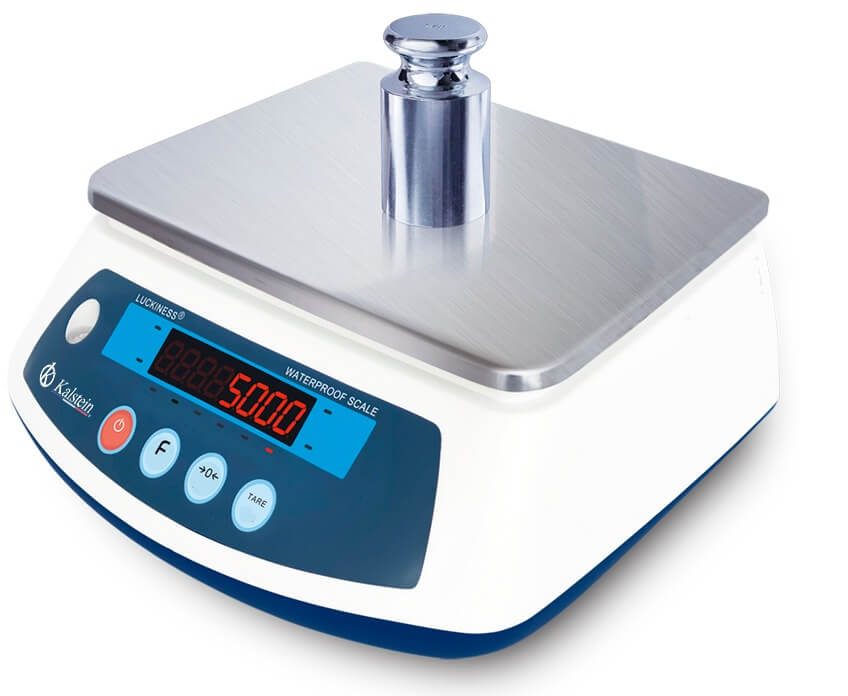
Waterproof Balances: Energy Sustainability and Environmental Impact Reduction 2026
In today's environmentally conscious world, laboratory equipment must adapt to meet sustainability goals while maintaining high performance. Waterproof balances offer a unique solution by providing accuracy and durability while addressing energy sustainability and environmental impact. This article will explore various waterproof balance models, their specifications, and how they contribute to energy efficiency and reduced environmental footprints in laboratory operations.
Understanding the Role of Waterproof Balances in Sustainability
Waterproof balances are essential in laboratories where accurate weight measurements are critical, especially in wet or humid environments. Their design ensures they can withstand exposure to moisture without compromising functionality. In the context of sustainability, these balances can significantly reduce the energy footprint of laboratories through various features that enhance energy efficiency, including low power consumption and long-lasting battery life.
Comparison of Available Models
| Model | Capacity (kg) | Readability (g) | Price (USD) | Best for |
|---|---|---|---|---|
| YR05623 | 3 | 0.1 | 105.00 | General lab use |
| YR05624 | 6 | 0.5 | 95.00 | Food testing |
| YR05625 | 7.5 | 1 | 95.00 | Pharmaceuticals |
| YR05626 | 15 | 1 | 95.00 | Industrial applications |
| YR05627 | 30 | 5 | 95.00 | Heavy-duty weighing |
| YR05628 | 30 | 5 | 95.00 | Environmental testing |
Energy Efficiency Features of Waterproof Balances
One of the most compelling aspects of waterproof balances is their energy efficiency. Models like the YR05623 and YR05624 are designed with durable components that minimize power consumption, effectively reducing the overall energy required during operation. The long-lasting rechargeable batteries that can function up to 60 hours per charge further enhance this efficiency. This longevity not only reduces the frequency of battery replacements but also minimizes electronic waste, aligning with sustainability initiatives.
Lifecycle Assessment and Environmental Impact
Conducting a lifecycle assessment (LCA) is crucial to understanding the environmental impact of laboratory equipment, including waterproof balances. These assessments consider the energy consumption during manufacturing, usage, and disposal phases. For instance, the waterproof balances with IP68 certification signify high standards of durability, reducing the likelihood of replacement and thus lessening their overall ecological footprint. By utilizing waterproof balances that are designed for longevity, laboratories can significantly reduce their environmental impact.
Reducing E-Waste with Durable Equipment
The durability of waterproof balances, such as the YR05625 and YR05626, plays a vital role in waste reduction. These balances are built to withstand harsh conditions, which means they require less frequent replacement. When labs select durable equipment, they minimize e-waste associated with disposing of broken or outdated devices, contributing positively to environmental goals. Additionally, proper disposal and recycling of electronic components at the end of their lifecycle can further mitigate e-waste issues.
Common Mistakes and How to Avoid Them
Laboratories may inadvertently overlook critical features when selecting waterproof balances. A common mistake is not considering the energy specifications or durability certifications of the models. It's essential to evaluate the energy consumption metrics and ensure that the selected balance fits the specific operational needs of the lab. Always check for certifications like IP68 to ensure maximum protection and longevity. Furthermore, investing in models with higher capacities, such as the YR05627 or YR05628, may provide better versatility for various applications, reducing the need for multiple devices.
Frequently Asked Questions
How do waterproof balances contribute to energy sustainability in 2026?
Waterproof balances like the YR05623 and YR05624 are designed for low power consumption and long battery life, which directly contributes to energy sustainability by minimizing energy use during operations. Their durable design ensures longevity, reducing the need for replacements and helping labs lower their environmental impact in 2026.
What is the environmental impact of using high-capacity waterproof balances?
Using high-capacity waterproof balances, such as the YR05627, can reduce the overall environmental impact by minimizing e-waste through their durability and longevity, which means less frequent replacements. These balances are built to endure challenging environments, making them a sustainable choice for laboratories.
Which waterproof balance models are best for reducing laboratory energy consumption?
Models like the YR05623 and YR05624 are specifically designed for energy efficiency, featuring long-lasting battery life and low power consumption. Utilizing these models can help laboratories effectively reduce their energy consumption and environmental footprints.
How can laboratories ensure compliance with sustainability standards using waterproof balances?
Laboratories can ensure compliance with sustainability standards by selecting waterproof balances like the YR05625 that meet recognized certifications such as IP68. Choosing equipment that minimizes energy use and is built for long-term durability helps labs align with sustainability goals and standards.
What maintenance strategies enhance the longevity of waterproof balances?
Regular cleaning and proper storage of waterproof balances such as the YR05626 can significantly enhance their longevity. Additionally, following manufacturer guidelines for usage and battery care will help minimize wear and tear, ultimately contributing to a more sustainable laboratory operation.
Why is battery longevity important for waterproof balances in laboratories?
Battery longevity is crucial for waterproof balances as it reduces the frequency of battery replacements, minimizing electronic waste. Models like the YR05628 offer up to 60 hours of usage per charge, making them ideal for sustainable laboratory practices that prioritize energy conservation.
How can laboratories assess the energy efficiency of waterproof balances?
Laboratories can assess the energy efficiency of waterproof balances by reviewing specifications such as power consumption ratings and battery life. Models like the YR05624 provide detailed energy metrics that help labs make informed choices for sustainable operations.
In what scenarios are waterproof balances the best choice for laboratories aiming for sustainability?
Waterproof balances like the YR05627 are ideal for laboratories dealing with wet or humid conditions, as they offer both durability and energy efficiency. Their resistance to environmental factors helps ensure proper functioning and longevity, making them a sustainable choice in various laboratory scenarios.
If you are looking for a fusion of innovation and quality, you have come to the right place. At Kalstein, we offer you the luxury of exploring our exclusive catalog of laboratory equipment. We manufacture every device to the highest standards of excellence. Our intuitive and seamless online purchasing channels are designed for your convenience, securing the most competitive prices. Hesitate no longer — we bring science to life, it is time to become part of our community.