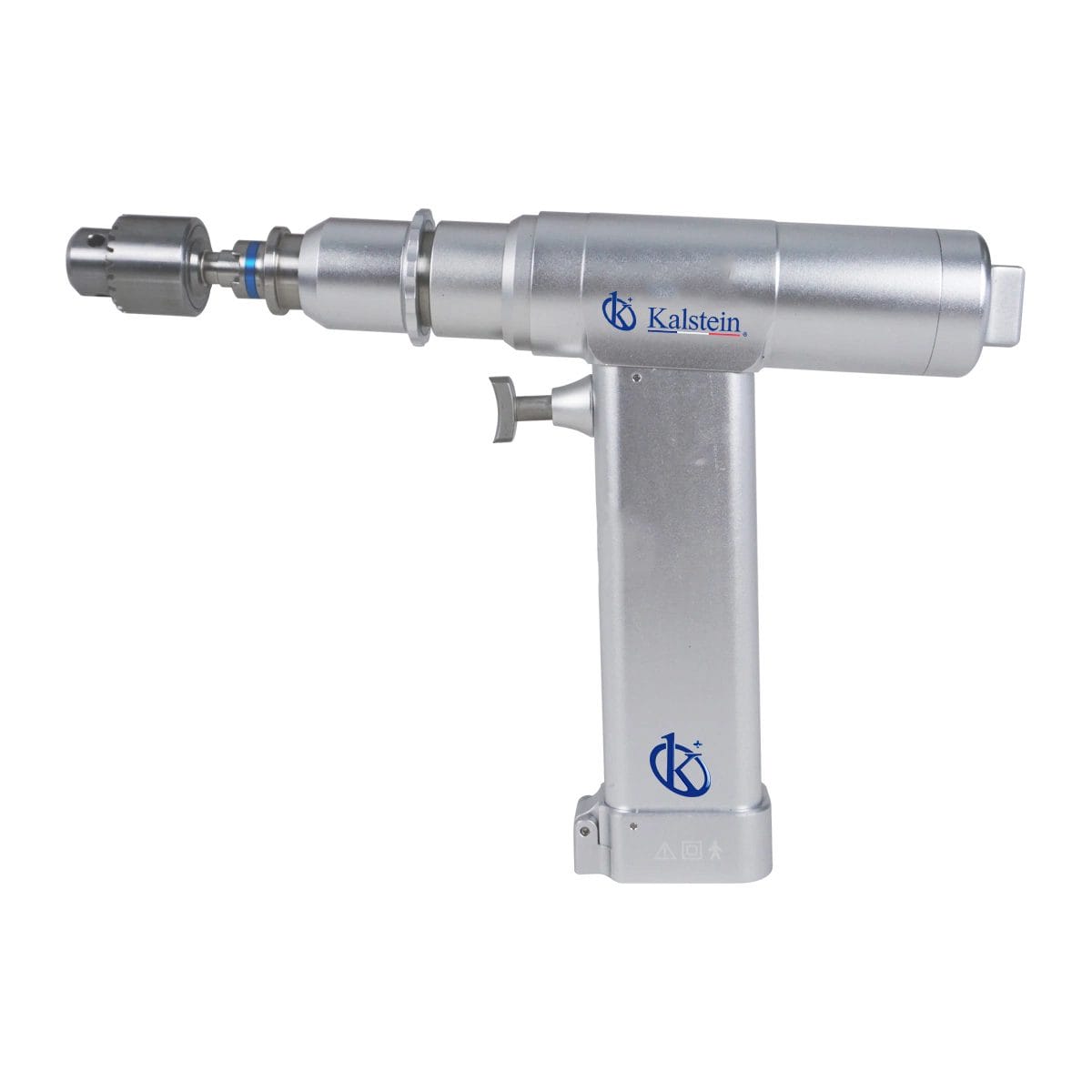
Veterinary Surgical Tools: Predictive Maintenance and Recommended Calibration Strategies 2026
In the evolving landscape of veterinary medicine, the role of surgical tools is paramount. As these tools become increasingly sophisticated, the need for effective predictive maintenance and regular calibration has never been more critical. This article delves into the significance of these practices for various veterinary surgical tools, specifically focusing on models such as the Electric Multifunction Tool for Veterinary Surgery YR06126, Micro/Mini Multifunctional Veterinary Tool for Small Animals YR06127, and Veterinary TPLO Saw YR06128. Understanding how to implement these maintenance strategies can ensure operational efficiency, enhance the safety of surgical procedures, and ultimately improve patient outcomes.
The Importance of Predictive Maintenance in Veterinary Surgical Tools
Predictive maintenance refers to the proactive approach of monitoring equipment conditions to predict when maintenance should be performed. For veterinary surgical tools, this practice is essential due to the high stakes involved in surgical procedures. Tools like the YR06126 and YR06127 must operate flawlessly to ensure patient safety and the success of surgeries. Predictive maintenance can significantly reduce the risk of tool failure during critical operations.
Calibration: Ensuring Accuracy and Reliability
Calibration of surgical tools is vital in maintaining accuracy and reliability. Regular calibration ensures that tools such as the YR06128 meet performance standards, which is crucial for surgeries like TPLO where precision is essential for successful outcomes. Establishing a calibration schedule tailored to the specific requirements of each model can enhance the longevity and effectiveness of surgical tools.
Calibration Intervals for Veterinary Surgical Tools
| Model | Recommended Calibration Interval | Calibration Method | Notes |
|---|---|---|---|
| YR06126 | Every 6 months | Standardized testing using certified equipment | Critical for all multi-functional capabilities |
| YR06127 | Every 6 months | Visual inspection and performance tests | Focus on oscillating saw functionality |
| YR06128 | Every 12 months | Precision instruments for orthopedic tools | Targets TPLO surgeries |
Common Maintenance Mistakes and How to Avoid Them
When it comes to the maintenance of veterinary surgical tools, several common mistakes can lead to decreased performance or failure. These include neglecting regular inspections, improper cleaning methods, and using incorrect calibration techniques. For instance, failing to regularly inspect the YR06126 can result in decreased functionality during crucial procedures. Establishing a checklist and training personnel on best practices can help mitigate these mistakes.
Comparison of Available Models
| Model | Power Output (W) | Battery Voltage (V) | Price (USD) | Best For |
|---|---|---|---|---|
| YR06126 | ≥ 130W | 14.4V | 3100.00 | Multi-functional surgical needs |
| YR06127 | ≥ 50W | 7.2V | 1300.00 | Small animal surgeries |
| YR06128 | N/A | 9.6V~14.4V | 1200.00 | TPLO surgeries |
Predictive Maintenance Strategies for Veterinary Surgical Tools
Implementing a predictive maintenance strategy involves using monitoring tools to assess the condition of surgical instruments continually. Regular performance assessments of tools like the YR06127 can help predict potential failures before they occur. Establishing KPIs such as Mean Time Between Failures (MTBF) and Mean Time to Repair (MTTR) can provide insights into the tools' reliability and efficiency, allowing for informed decision-making regarding maintenance schedules.
Calibration Best Practices for Veterinary Surgical Tools
To achieve optimal performance, veterinary surgical tools must undergo precise calibration processes. For example, using traceable standards for the YR06128 ensures that it performs at the necessary precision for TPLO surgeries. Developing a detailed calibration plan that includes documentation of each calibration event and results can significantly contribute to operational excellence in surgical settings.
Frequently Asked Questions
What is the recommended calibration frequency for the YR06126 in 2026?
The YR06126 should undergo calibration every 6 months to ensure its multi-functional capabilities remain reliable during veterinary surgeries, enhancing operational safety and performance.
How can predictive maintenance improve the lifespan of the YR06127 surgical tool?
Predictive maintenance for the YR06127 allows for timely interventions before failures occur, significantly extending its lifespan and ensuring it meets the rigorous demands of small animal surgeries.
Which calibration standards are necessary for the YR06128 in veterinary practices?
The YR06128 requires calibration to traceable standards, ensuring precision in TPLO surgeries, thus improving the success rate of surgical interventions.
What are common mistakes in maintaining veterinary surgical tools in 2026?
Neglecting regular inspections and using incorrect cleaning methods are common mistakes that can compromise the functionality of tools like the YR06126 and YR06127, impacting surgical outcomes.
How often should a veterinary surgical tool undergo predictive maintenance in 2026?
Veterinary surgical tools should ideally undergo predictive maintenance every 3 to 6 months, depending on usage, to ensure optimal performance and prevent unexpected failures during surgery.
What are the cost implications of neglecting calibration for veterinary tools like YR06126?
Neglecting calibration for tools like the YR06126 can result in increased operational costs due to higher failure rates and possible surgical complications, which can lead to additional expenses in veterinary practices.
Why is regular calibration crucial for surgical tools used in veterinary medicine?
Regular calibration is crucial for surgical tools in veterinary medicine to ensure their accuracy and reliability, which directly impacts patient safety and the overall success of surgical procedures.
How can veterinary practices ensure compliance with maintenance standards in 2026?
Veterinary practices can ensure compliance with maintenance standards by establishing clear protocols for predictive maintenance and calibration, including documentation and routine inspections of tools like the YR06128.
If you are looking for a fusion of innovation and quality, you have come to the right place. At Kalstein, we offer you the luxury of exploring our exclusive catalog of laboratory equipment. We manufacture every device to the highest standards of excellence. Our intuitive and seamless online purchasing channels are designed for your convenience, securing the most competitive prices. Hesitate no longer — we bring science to life, it is time to become part of our community.