Veterinary Surgical Tools: Common Mistakes and How to Avoid Them in Daily Operation 2026
Veterinary surgical tools are vital in ensuring the successful outcome of various surgical procedures. In 2026, understanding how to utilize these tools effectively is paramount for veterinary professionals. This guide delves into common mistakes made during the use of these tools, providing insights into best practices and techniques that enhance operational efficiency.
What is it used for in 2026
In 2026, veterinary surgical tools are used primarily for surgical interventions across various animal species. These tools enable veterinarians to perform procedures ranging from soft tissue surgeries to orthopedic interventions efficiently. The evolving technology in surgical tools allows for greater precision, reduced operation time, and improved recovery rates for animals.
History and evolution of the technology
The development of veterinary surgical tools has progressed significantly over the years. Historically, surgical tools used in veterinary medicine were rudimentary and limited in functionality. However, advancements in materials and technology have led to the creation of multifunctional tools that cater to diverse surgical needs. This evolution reflects a broader trend in veterinary medicine towards minimally invasive techniques and enhanced surgical outcomes.
How to use it step by step
Using veterinary surgical tools effectively involves several crucial steps:
- Preparation: Ensure that all tools are sterilized and in working condition before the surgical procedure.
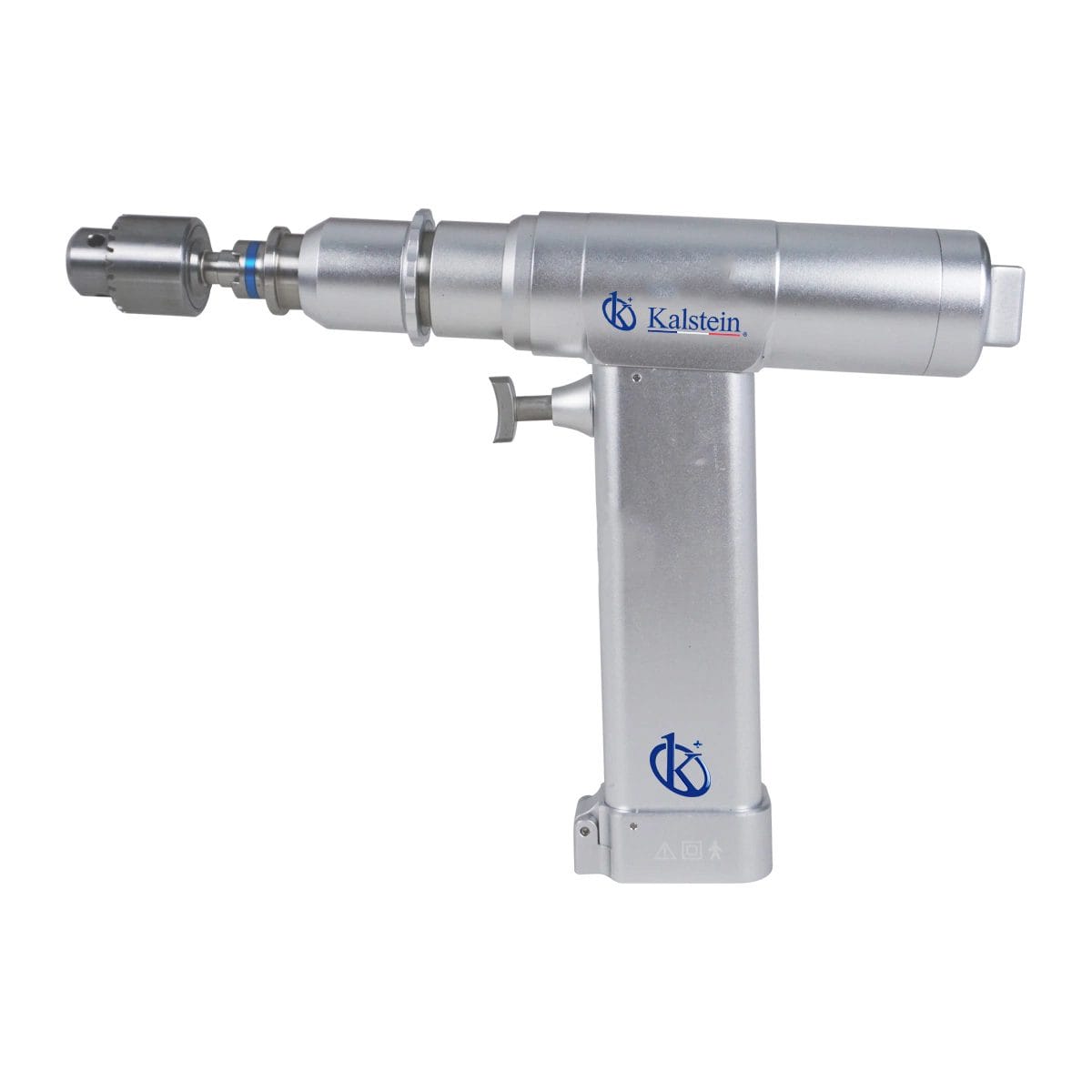
- Familiarization: Understand the specific functions of each tool, including the Electric Multifunction Tool for Veterinary Surgery YR06126, Micro/Mini Multifunctional Veterinary Tool for Small Animals YR06127, and the Veterinary TPLO Saw YR06128.
- Execution: During the procedure, maintain a steady hand and precise movements, using the appropriate tool for each task.
- Post-operative care: After the surgery, clean and sterilize the tools once more and document any observations about their performance.
Best techniques and protocols
Best practices in using veterinary surgical tools include:
- Consistent sterilization protocols to minimize infection risks.
- Regular inspection of tools for wear and damage.
- Maintaining a clean and organized workspace to enhance efficiency.
Practical applications by laboratory type
Veterinary surgical tools find applications in various laboratory settings, including:
- Research laboratories: For conducting surgical experiments on animal models.
- Clinical veterinary practices: For routine surgeries and emergency procedures.
- Teaching hospitals: For training students in surgical techniques.
Regulations, standards and certifications
Veterinary surgical tools must comply with stringent regulations and standards to ensure safety and effectiveness. In various regions, these include certifications from veterinary boards and adherence to international safety standards. Regular audits and compliance checks are essential for maintaining these standards.
Comparison with alternative technologies
When comparing veterinary surgical tools to alternative technologies, it's evident that modern tools offer numerous advantages:
- Enhanced precision compared to manual tools.
- Faster operation times with multifunctional capabilities.
Comparison of available models
| Model | Best for | Key specs | Recommended use case |
|---|---|---|---|
| YR06126 | Complex surgical procedures | Power: ≥ 130W, Voltage: 14.4V | Joint, neurosurgery, and cardiac surgery |
| YR06127 | Small animal surgeries | Power: ≥50W, Voltage: 7.2V | Versatile applications in small animal surgery |
| YR06128 | TPLO surgeries | Frequency: 0-16000 Hz, Voltage: 12V | Stabilizing knee joint after ligament injuries |
Common mistakes and how to avoid them
Several common mistakes can hinder the effectiveness of veterinary surgical tools:
- Inadequate sterilization: Always ensure tools are properly sterilized before each use.
- Improper technique: Train thoroughly in the use of each tool to prevent mishandling.
- Neglecting maintenance: Regularly check tools for functionality and wear to avoid failures during procedures.
Maintenance, calibration and good practices 2026
Maintaining veterinary surgical tools involves:
- Regular cleaning and sterilization after each use.
- Periodic calibration to ensure accuracy.
- Storing tools in a controlled environment to prevent damage.
Cost-benefit analysis 2026
Investing in high-quality veterinary surgical tools results in long-term savings and improved surgical outcomes, justifying the initial costs. Efficient tools reduce operation times and the likelihood of complications, ultimately benefiting both the veterinary practice and the animals treated.
Frequently asked questions
What are the key factors to consider when choosing veterinary surgical tools?
When selecting veterinary surgical tools, consider factors such as the specific procedures you will perform, the size of the animals you treat, and the tools' functionality and reliability.
How do I ensure that I am using the tools correctly during a procedure?
Make sure to receive proper training, review the operation manuals, and practice using each tool in simulated settings before applying them in real surgical situations.
What are the best practices for cleaning and sterilizing surgical tools?
Follow manufacturer guidelines for cleaning, use appropriate disinfectants, and ensure complete sterilization before each use to minimize infection risks.
How often should surgical tools be calibrated?
Calibration frequency can depend on how often the tools are used. Generally, it is advisable to calibrate them regularly, especially before crucial surgical procedures.
What are the benefits of using multifunctional surgical tools?
Multifunctional surgical tools enhance versatility, reduce the number of tools needed, and can improve efficiency during procedures by allowing for quick changes between tasks.
Can I request a demo or more information on specific models?
Yes, you can request detailed information or a demonstration for specific models to understand their applications better.
What additional resources are available for training on surgical tools?
Many manufacturers offer training sessions, online resources, and instructional videos to help familiarize users with proper techniques and best practices.
If you are looking for a fusion of innovation and quality, you have come to the right place. At Kalstein, we offer you the luxury of exploring our exclusive catalog of laboratory equipment. We manufacture every device to the highest standards of excellence. Our intuitive and seamless online purchasing channels are designed for your convenience, securing the most competitive prices. Hesitate no longer — we bring science to life, it is time to become part of our community.