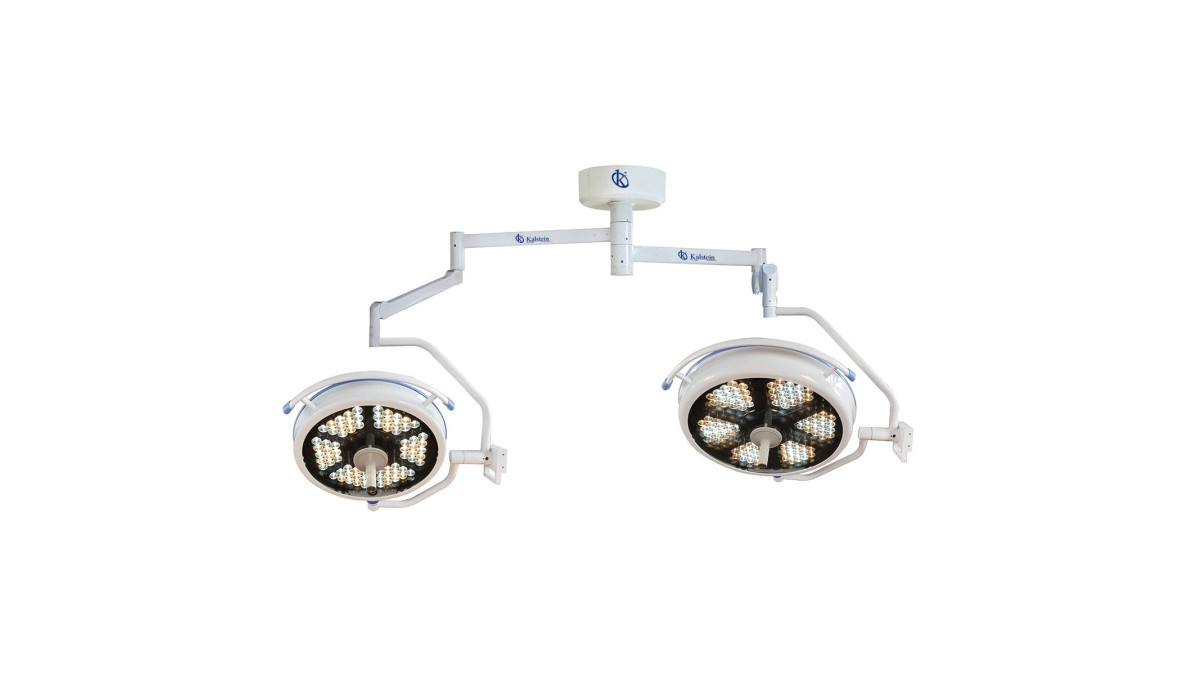
Veterinary Operating Lamps: Practical Applications and Techniques 2026
What is it used for in 2026
Veterinary operating lamps are crucial tools in modern veterinary practices, providing the illumination necessary for surgical procedures and examinations. In 2026, these lamps are primarily used for:
- Illuminating surgical sites with high precision and minimal shadows
- Enhancing visibility during complex procedures
- Facilitating accurate diagnoses through adequate lighting
- Supporting a sterile environment in operating theaters
History and evolution of the technology
The evolution of veterinary operating lamps has been significant over the years. Initially, incandescent bulbs were used, which provided limited brightness and heat, making them unsuitable for extended use. The transition to halogen bulbs improved brightness but still posed issues with heat generation. The latest technology, LED-based lighting, has revolutionized the field by providing:
- Lower heat emission
- Higher energy efficiency
- Longer lifespan
- Better color rendering for accurate tissue assessment
How to use it step by step
Using veterinary operating lamps effectively involves the following steps:
- Preparation: Ensure the area is clean and free from obstructions.
- Setup: Position the lamp appropriately based on the surgical table layout.
- Power On: Turn on the lamp and allow it to reach the desired brightness and color temperature.
- Adjust Brightness: Use the brightness control to set the appropriate intensity for the procedure.
- Monitor: Continuously check and adjust lighting as needed throughout the procedure.
- Post-Operation: Power down the lamp and clean the area, ensuring proper sterilization.
Best techniques and protocols
To maximize the effectiveness of veterinary operating lamps, adhere to these techniques and protocols:
- Regularly assess the positioning of the lamp to avoid shadows.
- Rotate the lamp's head to illuminate different angles during surgery.
- Adjust the color temperature for different procedures to enhance visibility.
- Implement a routine checkup schedule for lamp functionality.
Practical applications by laboratory type
Veterinary operating lamps are utilized across diverse settings:
- Animal Hospitals: For surgical operations and emergency care.
- Research Facilities: To assist in anatomy studies and veterinary research.
- Mobile Clinics: Provide necessary lighting for traveling veterinary services.
Regulations, standards and certifications
Veterinary operating lamps must comply with various regulations and standards such as:
- ISO 13485 for medical devices
- IEC 60601-1 for safety and effectiveness
- Local health regulations that govern veterinary practices
Comparison with alternative technologies
Veterinary operating lamps differ from other technologies like traditional surgical lights in multiple ways:
- LED Lights: Provide superior lighting, lower heat, and longer lifespan compared to traditional bulbs.
- Halogen Lights: While bright, they generate more heat and have a shorter lifespan than LED options.
Comparison of available models
| Model | Best for | Key specs | Recommended use case |
|---|---|---|---|
| YR06115 | Complex surgeries | Illuminance ≥160,000Lux, Color temperature adjustable | Ideal for neurosurgery and thoracic surgery |
| YR06116 | Precision and safety | Illuminance 160,000Lux, Lifespan 60,000 hours | Best for surgeries requiring high focus and detailed work |
| YR06117 | General surgery | Illuminance 40,000~160,000Lux, Adjustable color temperature | Suitable for various surgical applications |
| YR06118 | Wall-mounted settings | Illuminance 40,000~160,000Lux, Adjustable | Effective in tight surgical spaces |
| YR06119 | Minor surgeries | Illuminance ≥100,000Lux, Color temperature 4800±300K | Perfect for quick procedures in clinics |
| YR06120 | Portability and simplicity | Illuminance ≥50,000Lux, Easy setup | For mobile veterinary clinics |
Common mistakes and how to avoid them
Avoid these common mistakes when using veterinary operating lamps:
- Incorrect positioning: Always ensure the lamp is positioned correctly to minimize shadows.
- Neglecting maintenance: Schedule regular checkups to keep lamps in working condition.
- Ignoring lighting adjustments: Adjust brightness and color temperature as needed for specific procedures.
Maintenance, calibration and good practices 2026
For optimal performance, follow these maintenance and calibration practices:
- Conduct regular inspections for signs of wear or damage.
- Calibrate brightness and color temperature settings monthly.
- Clean the lamp surfaces regularly to avoid contamination.
Cost-benefit analysis 2026
Investing in veterinary operating lamps can yield significant benefits:
- Improved surgical outcomes due to better visibility
- Reduced energy costs with LED technology
- Longer lifespan than traditional lamps, lowering replacement costs
Frequently asked questions
How do I choose the right veterinary operating lamp for my practice?
Consider the types of procedures you conduct, the available space, and the lamp's brightness and color temperature specifications.
What are the main advantages of LED operating lamps?
LED lamps offer lower heat emission, longer lifespan, and better energy efficiency compared to traditional lighting options.
How often should I replace the bulbs in my veterinary operating lamp?
Most LED bulbs last for 30,000 to 60,000 hours; however, regular inspections will help determine when replacements are needed.
Can I use veterinary operating lamps in small clinics?
Yes, there are portable and wall-mounted options designed specifically for smaller spaces.
What maintenance practices should I follow for my operating lamps?
Regularly clean the lamp, check for functional issues, and calibrate settings monthly for optimal performance.
Are there specific regulations for using veterinary operating lamps?
Yes, ensure compliance with ISO and IEC standards, as well as local veterinary regulations.
How can I get a quote for veterinary operating lamps?
Request a quote through our platform for a tailored purchasing experience.
If you are looking for a fusion of innovation and quality, you have come to the right place. At Kalstein, we offer you the luxury of exploring our exclusive catalog of laboratory equipment. We manufacture every device to the highest standards of excellence. Our intuitive and seamless online purchasing channels are designed for your convenience, securing the most competitive prices. Hesitate no longer — we bring science to life, it is time to become part of our community.