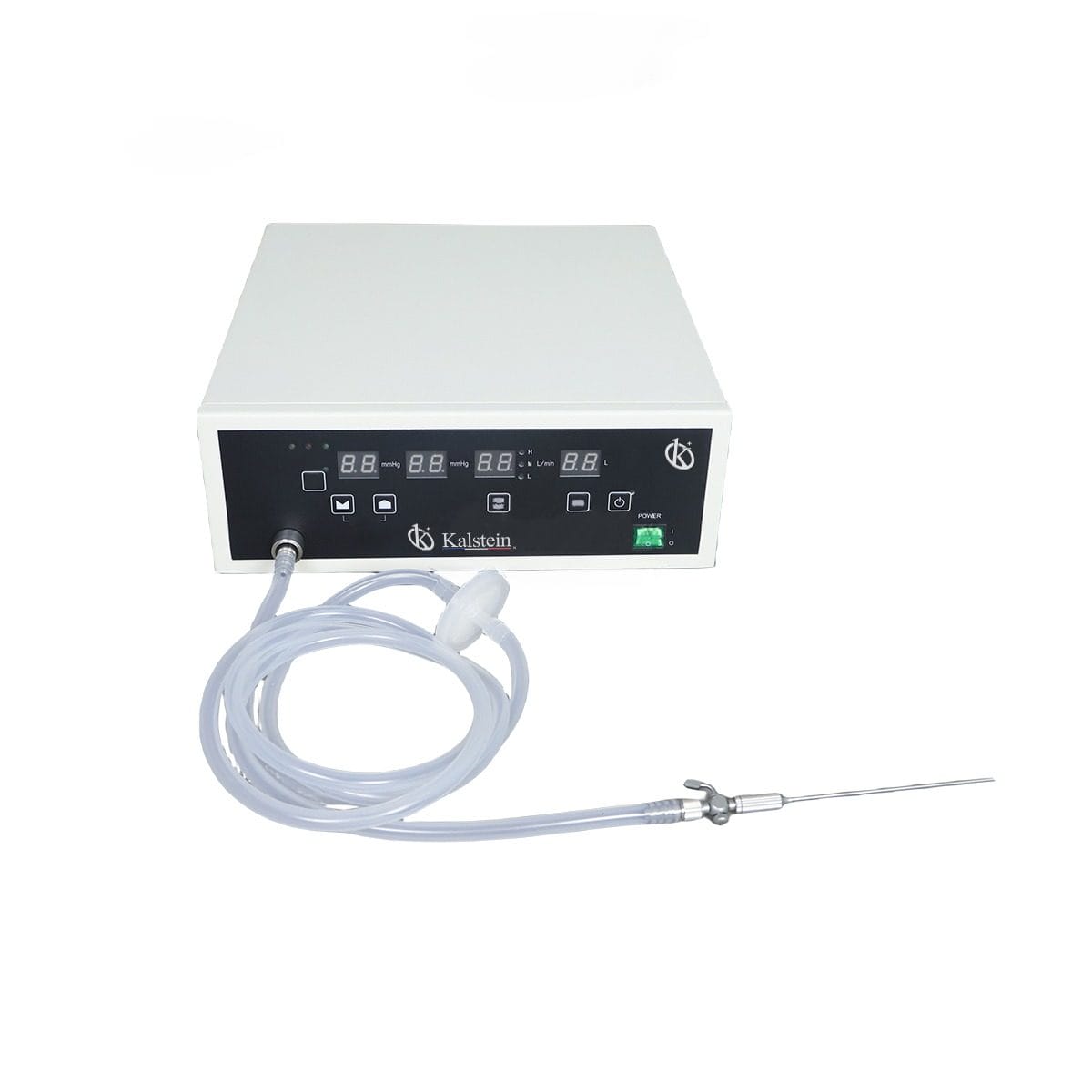
Veterinary Laparoscopy System: Practical Applications and Techniques 2026
What is it used for in 2026
The Veterinary Laparoscopy System is increasingly adopted in clinical and hospital settings, offering minimally invasive surgical options for veterinarians. In 2026, the primary applications include diagnostic procedures, therapeutic interventions, and complex surgeries that require accurate visualization without extensive incisions. This technology is especially beneficial for soft tissue surgeries, such as spaying, neutering, and biopsying, allowing for quicker recovery times and less postoperative pain in animals.
History and evolution of the technology
The evolution of laparoscopic techniques in veterinary medicine has transformed surgical practices since the early 2000s. Initially limited in scope, advancements in camera technology and insufflation systems have made these sophisticated procedures more accessible. By 2026, we witness a significant enhancement in imaging resolution and the development of portable systems that allow for flexibility in various operating environments. The integration of real-time video transmission and improved surgical tools has further refined the capabilities of laparoscopic surgeries.
How to use it step by step
Using a Veterinary Laparoscopy System involves several critical steps to ensure efficacy and safety:
- Preparation: Gather all necessary equipment and ensure the surgical area is sterile.
- Patient Assessment: Conduct a thorough examination and prepare the animal for anesthesia.
- Insufflation: Connect the CO2 insufflator (like YR06157 or YR06158) to create a working space in the abdomen.
- Camera Setup: Position the high-definition endoscopic imaging system (YR06156) to provide optimal visualization.
- Surgical Procedure: Conduct the laparoscopic procedure using specialized instruments.
- Monitoring: Continuously monitor the animal's vitals and the procedure’s progress using the system's features.
- Post-operative Care: Ensure the animal is stable and provide appropriate aftercare instructions for recovery.
Best techniques and protocols
Adhering to best practices and protocols enhances the safety and effectiveness of laparoscopic procedures:
- Utilize a systematic approach to create trocar insertion points.
- Maintain clear communication with the surgical team throughout the procedure.
- Ensure the insufflator settings are appropriately adjusted to maintain optimal operating pressure.
- Document the procedure using the endoscopic imaging system for future review and training.
- Conduct regular training sessions to keep the surgical team updated on the latest techniques and improvements in technology.
Practical applications by laboratory type
Different laboratories utilize Veterinary Laparoscopy Systems to address specific needs:
- Clinical Veterinary Practices: Focus primarily on routine surgeries and diagnostics.
- Research Facilities: Employ these systems to conduct advanced studies on animal physiology and surgical techniques.
- Referral Centers: Handle complex cases requiring specialized surgical intervention.
Regulations, standards and certifications
In 2026, compliance with veterinary surgical standards and regulations remains paramount. Laboratories must ensure that all equipment, especially laparoscopic systems, meets safety and quality standards set by governing bodies such as the American Veterinary Medical Association (AVMA) and other relevant organizations. Regular certification and accreditation processes are essential to maintain credibility and trust in veterinary practices.
Comparison with alternative technologies
While traditional surgical methods are still prevalent, laparoscopic technology offers significant advantages:
- Minimally Invasive: Compared to open surgery, laparoscopic approaches reduce recovery time and postoperative pain.
- Enhanced Visualization: High-definition imaging systems provide superior clarity, improving surgical outcomes.
- Less Scarring: Smaller incisions lead to better cosmetic results and less tissue trauma.
Comparison of available models
| Model | Best for | Key specs | Recommended use case |
|---|---|---|---|
| YR06157 | CO2 insufflation for small animals | Flow rate: 4L/6L/10L/min; Pressure: 0.67kPa~3.30kPa | General laparoscopic procedures in small animals |
| YR06156 | High-definition imaging | LED light source; Resolution: 1920*1080 | Surgeries requiring clear visualization and documentation |
| YR06158 | High flow CO2 insufflation | Flow rate: 2L/min-40L/min; Noise level: ≤50dB(A) | Complex surgeries needing extensive insufflation |
Common mistakes and how to avoid them
To improve the success rate of laparoscopic surgeries, it’s crucial to avoid common pitfalls:
- Failing to adequately prepare the surgical site can lead to complications. Always ensure sterile conditions.
- Incorrect insufflation pressure settings may compromise surgical visibility or patient safety. Double-check settings before starting the procedure.
- Neglecting to document the procedure can hinder future training and evaluations. Make use of the imaging system for thorough documentation.
Maintenance, calibration and good practices 2026
Regular maintenance of the Veterinary Laparoscopy System is essential for optimum performance:
- Schedule routine inspections and calibrations of all equipment to ensure accuracy and safety.
- Clean all instruments and the imaging system after each use to prevent contamination.
- Keep records of maintenance and repairs to track performance over time.
Cost-benefit analysis 2026
Investing in a Veterinary Laparoscopy System can yield significant returns:
- Reduced recovery time translates to higher patient turnover and increased profitability.
- Minimized postoperative complications lead to lower follow-up care costs.
- Enhanced capabilities can attract more clients seeking advanced surgical options, boosting overall business growth.
Frequently asked questions
What is the primary benefit of using a laparoscopic system in veterinary practices?
The primary benefit is the minimally invasive approach which reduces recovery time and postoperative pain for animals.
How do I select the right model of laparoscopic system for my clinic?
Consider factors such as the size of animals you typically treat, the types of procedures you perform, and the imaging technology you require.
What is the importance of using a high-definition imaging system during surgeries?
A high-definition imaging system improves visualization, ensuring precise surgical interventions and better outcomes.
How often should I perform maintenance on my laparoscopic equipment?
Routine maintenance should be conducted regularly as per manufacturer recommendations, typically before and after surgeries.
What training is necessary for my staff to effectively use these systems?
Staff should undergo comprehensive training on equipment operation, surgical techniques, and emergency procedures to ensure safety and effectiveness.
Can I use laparoscopic systems for emergency surgeries?
Yes, laparoscopic systems can be utilized for emergency procedures, but training and preparedness are essential to handle such situations effectively.
How do I ensure compliance with veterinary surgical regulations?
Stay informed about the latest regulations and guidelines from veterinary associations, and ensure that all equipment meets required standards.
If you are looking for a fusion of innovation and quality, you have come to the right place. At Kalstein, we offer you the luxury of exploring our exclusive catalog of laboratory equipment. We manufacture every device to the highest standards of excellence. Our intuitive and seamless online purchasing channels are designed for your convenience, securing the most competitive prices. Hesitate no longer — we bring science to life, it is time to become part of our community.