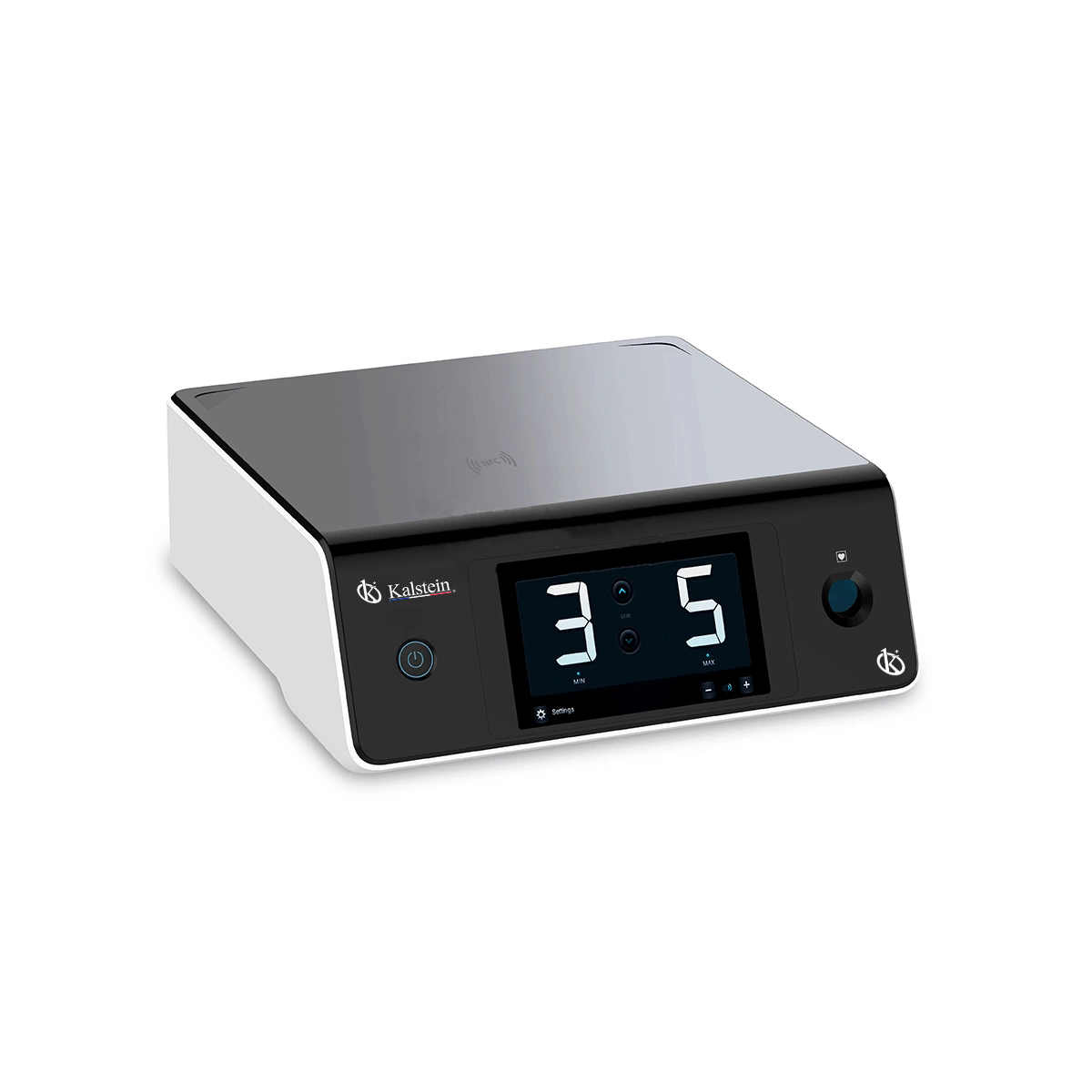
Veterinary Electrosurgical Units: Predictive Maintenance and Recommended Calibration in 2026
As veterinary practices evolve, the emphasis on effective and efficient surgical procedures has never been more critical. Veterinary Electrosurgical Units (VEUs) play a pivotal role in surgeries, providing precision and reliability. In 2026, the focus on predictive maintenance and periodic calibration for these devices ensures not only their optimal functioning but also the safety of surgical outcomes. In this article, we will delve deep into the significance of maintenance strategies, calibration schedules, and a comparison of various models available in the market.
Understanding Predictive Maintenance and Calibration
Predictive maintenance refers to the proactive approach of monitoring equipment and predicting potential failures before they occur. By employing this strategy, veterinary clinics can reduce downtime and unexpected repair costs. Calibration, on the other hand, is the process of demonstrating that an instrument produces results within specified limits by comparing its measurements to a standard. Regular calibration ensures that the VEUs maintain their accuracy, which is crucial in surgical settings.
Importance of Predictive Maintenance for Veterinary Electrosurgical Units
Predictive maintenance for Veterinary Electrosurgical Units, such as the YR06129 and YR06130, allows for the identification of wear and tear before they escalate into major issues. For example, the YR06130 features advanced monitoring systems that can predict component failure, thus allowing for timely interventions. Maintaining equipment through predictive strategies not only extends their life but also enhances operational efficiency.
Recommended Calibration Intervals for Veterinary Electrosurgical Units
Regular calibration is paramount for ensuring surgical precision. For instance, the YR06132 has specific calibration intervals based on its operating modes (pure cut, mixed cut, etc.). It is recommended that these units be calibrated at least once every six months, or after significant repairs, to maintain their efficacy in surgical procedures.
Common Mistakes in Maintenance and Calibration
One frequent mistake is neglecting the calibration schedule or performing it only after malfunctioning occurs. Owners of VEUs, such as the YR06131, should integrate a systematic approach to maintenance, ensuring that both predictive maintenance and calibration are scheduled and logged. Additionally, using non-certified tools for calibration can lead to inaccurate results, which can jeopardize surgical outcomes.
Comparison of Available Models
| Model | Features | Price (USD) | Best For |
|---|---|---|---|
| YR06129 | Safe sealing of vessels < 3 mm, dual output modes | 2500.00 | General surgeries |
| YR06130 | Touchscreen control, 7 working modes | 2700.00 | Gynecology, urology |
| YR06131 | Automatic start and stop, safety features | 3000.00 | Laparoscopic procedures |
| YR06132 | Multiple coagulation modes, 300 W power | 1600.00 | Complex surgeries |
| YR06133 | Compact design, dual wavelength | 5600.00 | Portable applications |
| YR06134 | Modular design, easy transport | 5600.00 | Field surgeries |
Factors Influencing Calibration Frequency
Several factors should influence how frequently a VEU is calibrated. These include the intensity of use, the type of procedures being performed, and manufacturer recommendations. For instance, the YR06130 may require more frequent calibration in high-volume clinics compared to the YR06132, which is designed for more specialized surgical applications.
Predictive Maintenance Strategies
Implementing effective predictive maintenance strategies involves regular monitoring of the device's performance metrics. Utilizing key performance indicators (KPIs) such as Mean Time Between Failures (MTBF) and Mean Time To Repair (MTTR) can provide insights into when a unit requires servicing. For models like YR06131, a proactive approach can lead to significant savings by reducing emergency repairs and prolonging the device's lifespan.
Common Mistakes and How to Avoid Them
Veterinary clinics frequently overlook the importance of maintaining an accurate maintenance log. This log should document all calibrations and predictive maintenance activities. Furthermore, clinics should ensure that all staff members are trained to follow the recommended procedures, which can greatly reduce the chance of equipment failure.
Frequently Asked Questions
How often should Veterinary Electrosurgical Units be calibrated for optimal performance?
Typically, Veterinary Electrosurgical Units should be calibrated at least every six months. For example, the YR06132’s various modes necessitate regular checks to ensure safety and precision in surgical procedures.
What are the benefits of predictive maintenance for Veterinary Electrosurgical Units?
Predictive maintenance minimizes unexpected breakdowns and prolongs equipment lifespan. For instance, using predictive strategies with the YR06130 can help anticipate component wear, reducing downtime significantly.
Which calibration standards should be followed for Veterinary Electrosurgical Units in 2026?
In 2026, Veterinary Electrosurgical Units like the YR06131 should meet specific calibration standards outlined by relevant veterinary and medical organizations to ensure safety and efficacy during surgeries.
What are the consequences of neglecting calibration in Veterinary Electrosurgical Units?
Neglecting calibration can lead to inaccuracies in measurements, posing risks during surgical procedures. Models like the YR06129 can lose effectiveness, leading to potential surgical complications.
How can veterinary clinics implement effective predictive maintenance strategies?
Veterinary clinics can implement predictive maintenance by using performance metrics like MTBF and scheduling regular checks, especially for high-use models like the YR06130, to enhance reliability.
What training is necessary for staff to ensure proper maintenance of Electrosurgical Units?
Staff should be trained on equipment operation, maintenance protocols, and calibration procedures. This ensures that units such as the YR06132 are used effectively and safely in critical situations.
What impact does improper maintenance have on surgical outcomes?
Improper maintenance can lead to severe surgical complications. For example, if the YR06131 is not regularly calibrated, its performance may decline, increasing risks during sensitive procedures.
How can veterinary practitioners ensure their Electrosurgical Units remain compliant with industry standards?
Practitioners should adhere to the manufacturer’s maintenance schedules and industry guidelines, ensuring models like the YR06130 are regularly assessed for compliance with current medical standards.
If you are looking for a fusion of innovation and quality, you have come to the right place. At Kalstein, we offer you the luxury of exploring our exclusive catalog of laboratory equipment. We manufacture every device to the highest standards of excellence. Our intuitive and seamless online purchasing channels are designed for your convenience, securing the most competitive prices. Hesitate no longer — we bring science to life, it is time to become part of our community.