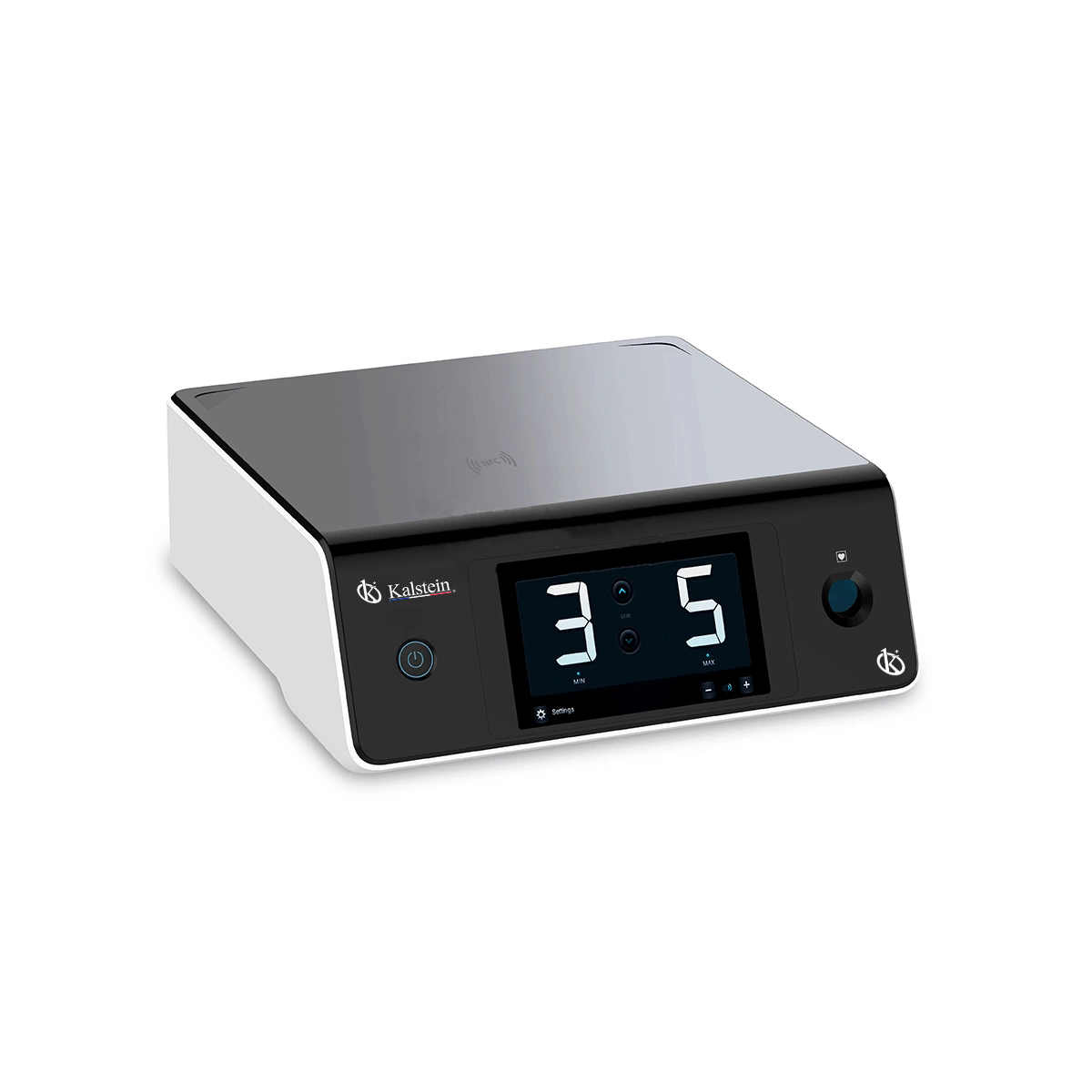
Veterinary Electrosurgical Units: Practical Applications and Techniques 2026
Veterinary Electrosurgical Units (ESUs) play a crucial role in modern veterinary practices, enabling safe and effective surgeries. Understanding their applications, techniques, and best practices is essential for laboratory professionals and veterinarians alike. In this article, we will explore the various uses of these devices, their historical development, and how to utilize them effectively in 2026.
What is it used for in 2026
In 2026, Veterinary Electrosurgical Units are primarily used in surgeries to cut, coagulate, and seal tissues, providing significant advantages over traditional surgical methods. These devices enhance precision, reduce blood loss, and expedite recovery times for patients. Common applications include:
- Soft tissue surgeries
- Orthopedic procedures
- Gastrointestinal surgeries
- Oncology surgeries
- Ophthalmic surgeries
History and evolution of the technology
The use of electrosurgical technology dates back to the early 20th century when early models were developed primarily for human surgery. Over the decades, advancements in technology have led to the refinement of electrosurgical techniques and equipment, adapting them for veterinary use. The introduction of ultrasonic and bipolar technologies has enhanced the precision and safety of surgical procedures, allowing for better tissue handling and reduced thermal damage.
How to use it step by step
Using a Veterinary Electrosurgical Unit requires careful preparation and execution. Here is a step-by-step guide:
- Preparation: Ensure the unit is properly set up, with all necessary accessories and instruments ready.
- Patient Preparation: Anesthetize the patient and position them appropriately for the procedure.
- Selection of Settings: Choose the appropriate mode (cutting, coagulation) based on the surgical procedure.
- Application: Use the handpiece on the targeted tissue, maintaining a steady hand to avoid excessive thermal spread.
- Monitoring: Continuously monitor the patient's vital signs and the effectiveness of the procedure.
- Post-Procedure Care: Follow up with appropriate aftercare, monitoring for any complications.
Best techniques and protocols
To ensure optimal outcomes when using Veterinary Electrosurgical Units, following established techniques and protocols is crucial. Some best practices include:
- Maintaining a clean surgical environment
- Regular calibration and maintenance of the equipment
- Training staff on the proper use of electrosurgical devices
- Employing the correct handpiece and settings for the specific tissue type
- Ensuring proper grounding to prevent stray currents
Practical applications by laboratory type
Veterinary Electrosurgical Units are utilized across various types of laboratories and practices:
- Small Animal Clinics: Commonly used for soft tissue surgeries and routine procedures.
- Large Animal Practices: Often employed in more extensive surgeries, including equine surgeries.
- Research Laboratories: Used for experimental procedures requiring precise tissue manipulation.
- Teaching Hospitals: Demonstrated in surgical training for veterinary students.
Regulations, standards and certifications
Veterinary Electrosurgical Units must comply with various regulations and standards, including:
- FDA regulations for medical devices
- ISO certifications for quality management systems
- Safety standards set by organizations such as IEC (International Electrotechnical Commission)
Comparison with alternative technologies
While electrosurgical units are widely used, alternative technologies include:
- Laser Surgery: Offers precision and minimal thermal damage but often at a higher cost.
- Traditional Surgical Methods: More straightforward but can be less efficient and traumatic.
- Harmonic Scalpel: Uses ultrasonic vibrations, providing some advantages in precision and hemostasis.
Comparison of available models
| Model | Best for | Key specs | Recommended use case |
|---|---|---|---|
| YR06129 | Ultrasonic cutting and coagulation | Power: 690VA; Amplitude: 20-100um | Soft tissue surgeries, particularly in vascular applications |
| YR06130 | Blood vessel sealing | Output power: 35W; LCD display | General surgery, including gynecology and urology |
| YR06131 | Vascular sealing | Max power: 300W; Automatic operation | Laparoscopic and open procedures |
| YR06132 | Various cutting and coagulation | Max output: 300W; 5 modes | Open surgery with deep coagulation needs |
| YR06133 | Laser surgery | Power: 15W; Dual wavelengths | Soft tissue surgeries with reduced recovery time |
| YR06134 | Laser surgery | Power: 15W; Dual wavelengths | Advanced surgical procedures requiring precision |
Common mistakes and how to avoid them
Common mistakes when using Veterinary Electrosurgical Units include:
- Incorrect settings: Always double-check the unit settings before use.
- Poor grounding: Ensure all equipment is correctly grounded to avoid patient injury.
- Inadequate training: Ensure all personnel are well-trained in using the equipment.
- Neglecting equipment maintenance: Regularly maintain and calibrate the devices for optimal performance.
Maintenance, calibration and good practices 2026
To ensure longevity and efficiency, Veterinary Electrosurgical Units must be maintained and calibrated regularly. Good practices include:
- Daily cleaning of the unit and accessories
- Regular inspection for wear and tear
- Calibration checks according to manufacturer specifications
- Training staff on proper usage and maintenance protocols
Cost-benefit analysis 2026
The cost of Veterinary Electrosurgical Units varies depending on the model and features. However, the benefits often outweigh the initial investment:
- Reduced operation time leading to lower anesthesia costs
- Less postoperative complications resulting in fewer follow-up costs
- Improved patient outcomes leading to higher client satisfaction and retention
Frequently asked questions
What are the main advantages of using electrosurgical units in veterinary surgery?
Electrosurgical units offer precision cutting, efficient coagulation, reduced blood loss, and shorter recovery times compared to traditional surgical methods.
How do I choose the right model for my veterinary practice?
Consider the types of procedures you perform most frequently, the size of the animals you work on, and your budget when selecting a model.
Can electrosurgical units be used for all types of surgeries?
While electrosurgical units are versatile, they are best suited for soft tissue and certain orthopedic procedures. Consultation with a professional regarding specific surgical needs is recommended.
What safety measures should be taken when using electrosurgical units?
Ensure proper grounding, regularly inspect equipment, and train all staff in the use of the device to avoid accidents and ensure patient safety.
How often should the equipment be serviced?
Regular maintenance checks should be conducted daily, with more in-depth servicing performed according to the manufacturer's guidelines, typically annually.
Are there any special training requirements for using electrosurgical units?
Yes, staff should receive thorough training on the specific equipment, surgical techniques, and safety protocols associated with electrosurgical units.
Where can I find more information or request a quote for electrosurgical units?
For detailed product information and to request a quote, please contact your supplier or visit the manufacturer's website.
If you are looking for a fusion of innovation and quality, you have come to the right place. At Kalstein, we offer you the luxury of exploring our exclusive catalog of laboratory equipment. We manufacture every device to the highest standards of excellence. Our intuitive and seamless online purchasing channels are designed for your convenience, securing the most competitive prices. Hesitate no longer — we bring science to life, it is time to become part of our community.