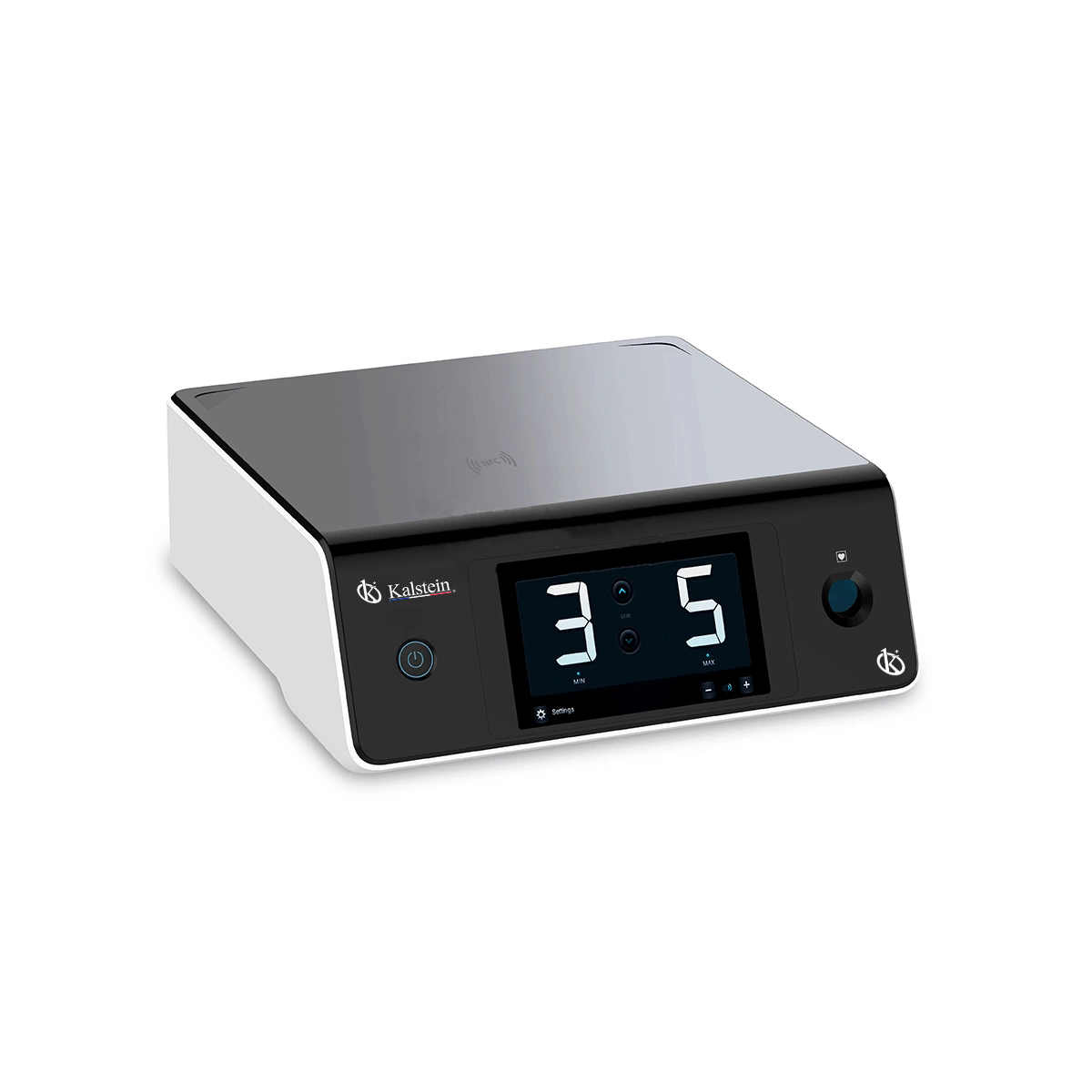
Veterinary Electrosurgical Units: Integration with LIMS and Data Flow Digitalization 2026
The evolution of veterinary practices increasingly relies on the integration of technologies such as Laboratory Information Management Systems (LIMS) and the digitalization of data flow. Veterinary Electrosurgical Units (VEUs) play a pivotal role in enhancing operational efficiency and ensuring safety standards during surgical procedures. This article delves into how these units integrate with LIMS and streamline data management, ultimately improving the workflow in veterinary hospitals and clinics.
Understanding the Importance of LIMS Integration in Veterinary Electrosurgical Units
LIMS integration is crucial for veterinary practices that aim to enhance their data management and operational efficiency. By connecting Veterinary Electrosurgical Units with LIMS, veterinary professionals can seamlessly capture, store, and analyze critical surgical data. This integration facilitates better patient management, accurate record-keeping, and compliance with regulatory standards. It also enhances the monitoring of surgical outcomes and optimizes resource allocation.
Key Benefits of Digital Data Flow in Veterinary Practices
Digital data flow in veterinary practices contributes significantly to improving patient outcomes and streamlining operations. Leveraging VEUs that are LIMS compatible allows for real-time data entry and retrieval, which minimizes errors associated with manual data handling. Furthermore, digitalization aids in tracking inventory, scheduling surgeries, and managing patient information effectively, leading to increased productivity and reduced operational costs.
Comparison of Available Models
| Model | Integration Capabilities | Data Management Features | Best Use Cases |
|---|---|---|---|
| YR06129 | Compatible with LIMS | Automatic data logging | Small animal surgeries |
| YR06130 | Supports bidirectional data flow | Real-time monitoring | General surgery |
| YR06131 | Customizable integration options | Data analytics capabilities | Laparoscopic procedures |
| YR06132 | Seamless connectivity | Comprehensive reporting | Open surgeries |
| YR06133 | Integrates with existing systems | Remote access features | Portable procedures |
| YR06134 | Fully digitalized workflows | Data visualization tools | On-the-go surgeries |
Common Mistakes and How to Avoid Them
A frequent mistake in veterinary practices is the failure to ensure compatibility between Veterinary Electrosurgical Units and existing LIMS. Not all models offer the same integration capabilities, leading to potential data loss or errors. To avoid this, veterinarians should assess their specific data management needs and choose models like the YR06130 which supports bidirectional data flow, ensuring seamless integration into their existing workflows.
Exploring Key Features of Veterinary Electrosurgical Units
When selecting a Veterinary Electrosurgical Unit, it is essential to consider features that enhance LIMS integration and data flow. Look for models that offer automatic data logging, customizable integration options, and real-time monitoring capabilities. For instance, the YR06131 model is designed for laparoscopic procedures and features advanced data analytics, making it an excellent choice for practices looking to leverage technology for improved outcomes.
Case Studies: Successful LIMS Integration with VEUs
Several veterinary clinics have reported success in integrating their Veterinary Electrosurgical Units with LIMS. For example, a clinic utilizing the YR06129 reported a significant reduction in data entry errors and improved surgical outcome tracking after implementing a fully integrated system. The integration not only streamlined operations but also enhanced compliance with veterinary regulations.
Frequently Asked Questions
How can LIMS integration improve the efficiency of Veterinary Electrosurgical Units in 2026?
LIMS integration enhances the efficiency of Veterinary Electrosurgical Units by enabling seamless data management and real-time monitoring. For instance, models like the YR06130 can support bidirectional data flow, facilitating accurate record-keeping and surgical outcome tracking, ultimately leading to better management of veterinary practices.
What are the data management features of the YR06131 Veterinary Electrosurgical Unit?
The YR06131 model offers comprehensive data management features, including advanced data analytics capabilities. This allows veterinary practices to analyze surgical outcomes and optimize their workflows. By integrating with LIMS, it also ensures accurate data capture and reporting, essential for compliance with veterinary standards.
Which Veterinary Electrosurgical Unit model is best for portable surgeries with LIMS integration?
The YR06133 model is ideal for portable surgeries as it integrates seamlessly with existing LIMS systems. It features remote access capabilities, allowing veterinary professionals to manage patient information and surgical data on-the-go, improving efficiency in field operations.
How does the YR06130 improve patient record-keeping in veterinary practices?
The YR06130 enhances patient record-keeping by offering real-time data entry and monitoring capabilities. With its ability to support bidirectional data flow, veterinary practices can ensure that surgical data is accurately logged and easily accessible, thus improving overall patient management.
What integration efforts are required for the YR06132 model with LIMS?
The YR06132 model requires minimal integration efforts, as it is designed for seamless connectivity with LIMS. Veterinary practices can quickly set up and start utilizing its features, such as comprehensive reporting and automated data logging, to enhance their operational efficiency.
How does adopting digital data flow from VEUs benefit veterinary practices?
Adopting digital data flow from Veterinary Electrosurgical Units benefits veterinary practices by minimizing data entry errors and streamlining operations. With models like the YR06129, practices can automate data capture and simplify their workflows, ultimately leading to improved patient care and reduced operational costs.
What is the cost-benefit analysis of integrating VEUs with LIMS in veterinary settings?
Integrating VEUs such as the YR06131 with LIMS can lead to significant cost savings over time. By improving efficiency and reducing errors, practices can expect lower operational costs and better resource management, resulting in a favorable return on investment.
How do Veterinary Electrosurgical Units enhance compliance with veterinary regulations?
Veterinary Electrosurgical Units, particularly models like the YR06132, enhance compliance by ensuring accurate record-keeping and data management. Integrating with LIMS facilitates adherence to regulations by automating data logging and providing comprehensive reporting capabilities, essential for veterinary practices.
If you are looking for a fusion of innovation and quality, you have come to the right place. At Kalstein, we offer you the luxury of exploring our exclusive catalog of laboratory equipment. We manufacture every device to the highest standards of excellence. Our intuitive and seamless online purchasing channels are designed for your convenience, securing the most competitive prices. Hesitate no longer — we bring science to life, it is time to become part of our community.