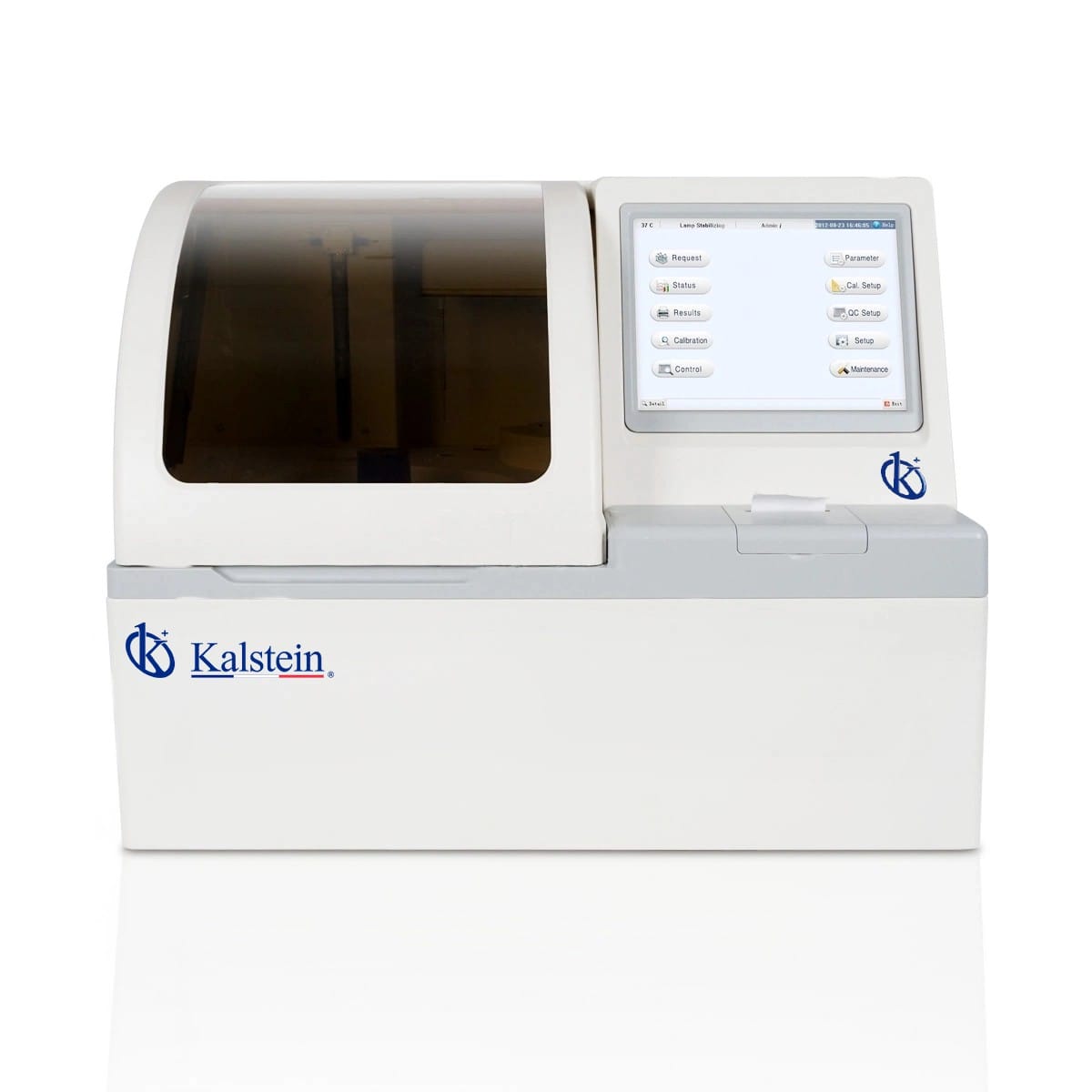
Veterinary Chemistry Analyzers: Common Mistakes and How to Avoid Them in Daily Operations 2026
Veterinary Chemistry Analyzers play a crucial role in modern veterinary medicine, providing essential diagnostic information that can help in the treatment and management of animal health. As laboratory professionals strive for accuracy and efficiency, understanding how to effectively utilize these devices is essential. This article outlines common mistakes encountered during daily operations and offers practical solutions to avoid them.
What is it used for in 2026
In 2026, Veterinary Chemistry Analyzers are used for a wide range of diagnostic purposes. They analyze various biological samples, such as blood and urine, to measure biochemical parameters that indicate the health status of animals. This equipment is critical in diagnosing diseases, monitoring metabolic disorders, and evaluating organ functions. The information obtained can guide treatment decisions and improve veterinary care outcomes.
History and evolution of the technology
The journey of Veterinary Chemistry Analyzers began several decades ago. Early models were bulky and required significant manual input, often leading to errors and delays in obtaining results. Over time, advancements in technology have led to the development of more compact, automated systems that provide rapid results with minimal user intervention. Modern analyzers now incorporate sophisticated software, user-friendly interfaces, and the ability to handle multiple sample types, making them indispensable in veterinary laboratories.
How to use it step by step
Using a Veterinary Chemistry Analyzer involves several key steps:
- Preparation: Gather all necessary samples and reagents. Ensure that the analyzer is clean and calibrated.
- Sample Collection: Collect the biological samples, ensuring they are free from contamination.
- Input Parameters: Input the necessary parameters into the system according to the specific test requirements.
- Run the Analysis: Initiate the analysis by following the prompts on the device's interface.
- Review Results: Once the analysis is complete, review the results for accuracy and log them appropriately.
- Maintenance: Clean and maintain the device as per the manufacturer's guidelines after completing the session.
Best techniques and protocols
Implementing the best techniques and protocols is crucial for maximizing the effectiveness of Veterinary Chemistry Analyzers:
- Standard Operating Procedures (SOPs): Develop and adhere to SOPs for sample collection, handling, and analysis.
- Quality Control: Regularly perform quality control checks to ensure the accuracy and reliability of results.
- Training: Ensure that all laboratory personnel are adequately trained in operating the analyzers and understanding the results.
- Data Management: Implement a robust data management system to track results and maintain records efficiently.
Practical applications by laboratory type
Veterinary Chemistry Analyzers can be employed in various laboratory settings:
- Veterinary Clinics: For routine testing and monitoring of pet health.
- Research Laboratories: In studies related to animal health and disease management.
- Emergency Animal Hospitals: For rapid diagnostics and treatment of urgent conditions.
Regulations, standards and certifications
Veterinary Chemistry Analyzers must comply with specific regulations and standards to ensure safety and accuracy. These may include:
- ISO certifications for quality management.
- Compliance with local regulatory agencies overseeing veterinary medical devices.
- Adherence to Good Laboratory Practice (GLP) guidelines.
Comparison with alternative technologies
While Veterinary Chemistry Analyzers are widely used, other technologies may be available, such as:
- Manual Testing Kits: Require more time and are more susceptible to human error.
- Point-of-Care Testing Devices: Offer rapid results but may lack comprehensive testing capabilities.
Comparison of available models
| Model | Best for | Key specs | Recommended use case |
|---|---|---|---|
| YR06168 | High throughput testing | Performance of up to 100 tests per hour, multi-animal settings | Busy veterinary practices needing rapid results |
| YR06169 | Portable testing | Requires only 100ul of blood for multiple results | Field testing or remote locations |
| YR06172 | Immunofluorescence testing | High-resolution LCD, wireless data transmission | Clinical diagnostics for specific conditions |
| YR06174 | Blood gas analysis | Long-lasting fluid system, multi-parameter analysis | Emergency veterinary care settings |
| YR06077 | Comprehensive biochemical testing | Supports multiple animal types, extensive memory | Routine diagnostic testing in veterinary clinics |
Common mistakes and how to avoid them
Common errors when using Veterinary Chemistry Analyzers include:
- Improper Sample Handling: Ensure samples are properly collected and stored to avoid contamination.
- Inadequate Calibration: Regularly calibrate the device according to the manufacturer's guidelines.
- Neglecting Quality Control: Implement routine quality control checks to maintain accuracy.
- Ignoring Software Updates: Keep the firmware updated to benefit from improvements and bug fixes.
Maintenance, calibration and good practices 2026
For optimal performance of Veterinary Chemistry Analyzers, follow these practices:
- Regular Maintenance: Schedule periodic maintenance checks and cleaning of the device.
- Calibration: Perform calibration as per the schedule based on usage and manufacturer recommendations.
- Training and Refreshers: Conduct ongoing training for staff to keep them up-to-date on best practices.
Cost-benefit analysis 2026
Investing in Veterinary Chemistry Analyzers can yield significant benefits:
- Increased Efficiency: Faster results improve workflow and patient care.
- Cost Savings: Reducing errors and improving diagnosis can lead to lower treatment costs.
- Enhanced Capabilities: Advanced analyzers offer a broader range of tests, increasing service offerings.
Frequently asked questions
What are the key factors to consider when choosing a Veterinary Chemistry Analyzer?
Considerations include the range of tests offered, ease of use, sample volume requirements, and the speed of results. Additionally, assess the analyzer's compatibility with your laboratory's workflow and size.
How often should I calibrate my Veterinary Chemistry Analyzer?
Calibration frequency depends on usage and manufacturer recommendations. It's generally advisable to calibrate before significant testing sessions and regularly based on usage patterns.
What common mistakes should I avoid when using these analyzers?
Avoid improper sample handling, neglecting calibration, skipping quality control, and ignoring software updates. Following best practices can help mitigate these issues.
Can I use the analyzer for different animal species?
Yes, many Veterinary Chemistry Analyzers support multiple species. However, confirm the specific model's capabilities to ensure it meets your needs.
What types of samples can I analyze?
You can analyze blood, serum, and plasma samples with various Veterinary Chemistry Analyzers. Check each model's specifications for limitations on sample types.
How can I improve the accuracy of my results?
Improve accuracy by adhering to standard operating procedures, ensuring proper calibration and maintenance, and conducting regular quality control checks.
Where can I find a reliable Veterinary Chemistry Analyzer?
For a reliable Veterinary Chemistry Analyzer, consider reaching out to suppliers that specialize in laboratory equipment and request a quote on the available options.
If you are looking for a fusion of innovation and quality, you have come to the right place. At Kalstein, we offer you the luxury of exploring our exclusive catalog of laboratory equipment. We manufacture every device to the highest standards of excellence. Our intuitive and seamless online purchasing channels are designed for your convenience, securing the most competitive prices. Hesitate no longer — we bring science to life, it is time to become part of our community.