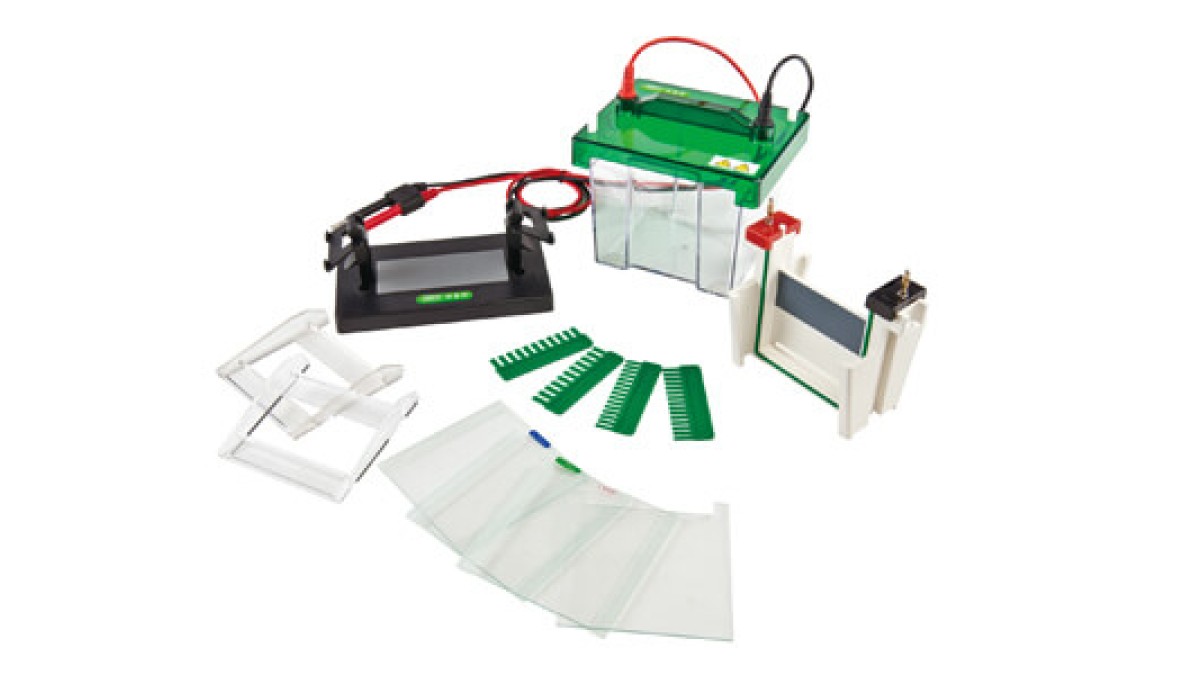
Vertical Electrophoresis: Common Mistakes and How to Avoid Them in Daily Operation 2026
What is it used for in 2026
Vertical electrophoresis is predominantly used for the separation of proteins rather than nucleic acids. It plays a vital role in various applications including research, clinical diagnostics, and quality control in laboratories. By utilizing this technique, researchers can analyze protein structures and interactions, enabling advancements in fields like biochemistry and molecular biology.
History and evolution of the technology
The foundation of electrophoresis dates back to the early 20th century, but vertical electrophoresis began gaining traction in the 1970s. Its evolution has been marked by advancements in gel formulations, equipment design, and improved methodologies, allowing for increased resolution and speed in protein separation.
How to use it step by step
Using vertical electrophoresis requires careful preparation and execution:
- Preparation of Gel: Prepare the polyacrylamide gel with a suitable concentration depending on the size of the proteins being analyzed.
- Assembly: Assemble the vertical electrophoresis apparatus, ensuring proper placement of the glass plates.
- Loading Samples: Load the protein samples along with a protein ladder into the wells created in the gel.
- Buffer Addition: Add the running buffer to the tank of the electrophoresis unit to establish an electric field.
- Running the Electrophoresis: Turn on the power supply and monitor the progress of the separation.
- Visualization: After the run, visualize the results using appropriate staining techniques.
Best techniques and protocols
To achieve optimal results in vertical electrophoresis, consider the following techniques and protocols:
- Use fresh reagents for preparing gels to avoid inconsistencies.
- Optimize the gel concentration based on the molecular weight of the target proteins.
- Ensure that samples are properly denatured before loading.
- Maintain consistent voltage settings to ensure uniform separation.
Practical applications by laboratory type
Different laboratories utilize vertical electrophoresis for various applications:
- Clinical Laboratories: Used for diagnosing diseases by analyzing protein abnormalities.
- Research Laboratories: Employed for protein characterization and interaction studies.
- Quality Control Labs: Utilized for ensuring protein product consistency and purity.
Regulations, standards and certifications
Laboratories must adhere to regulations and standards such as ISO 9001 for quality management and specific guidelines by regulatory bodies like the FDA for clinical uses. Compliance with safety standards is essential to ensure the safety of personnel and the integrity of the results.
Comparison with alternative technologies
While vertical electrophoresis is widely used for protein separation, alternative methods like western blotting and high-performance liquid chromatography (HPLC) are also available. Each method has its strengths; for instance, HPLC provides higher resolution but may not be as straightforward for protein separation as vertical electrophoresis.
Comparison of available models
| Model | Best for | Key specs | Recommended use case |
|---|---|---|---|
| YR03425 | Protein separation | Weight: 1.8kg, Dimensions: 150x120x115mm | Basic protein analysis |
| YR03426 | Multi-sample processing | Weight: 2.3kg, Dimensions: 220x170x120mm | Simultaneous gel casting |
| YR03427 | Versatile applications | Weight: 2.7kg, Dimensions: 175x175x100mm | General research purposes |
| YR03428 | High sample volume | Weight: 2.9kg, Dimensions: 280x140x135mm | Clinical diagnostics |
| YR03429 | Advanced protein analysis | Weight: 5.7kg, Dimensions: 280x140x250mm | Research and development |
| YR03430 | Rapid electrophoresis | Weight: 2.2kg, Dimensions: 280x140x136mm | Time-sensitive experiments |
Common mistakes and how to avoid them
In daily operations, common mistakes can significantly influence results:
- Incorrect Gel Concentration: Always calibrate gel concentration based on the proteins being analyzed to avoid poor resolution.
- Improper Sample Preparation: Ensure samples are fully denatured to prevent aggregation and ensure accurate results.
- Neglecting Buffer Quality: Use fresh and properly prepared buffer solutions to maintain conductivity and pH levels.
- Inconsistent Voltage Settings: Always monitor voltage throughout the run to ensure consistent separation rates.
Maintenance, calibration and good practices 2026
Regular maintenance of vertical electrophoresis equipment is crucial:
- Clean the glass plates and chamber after each use to prevent contamination.
- Calibrate the equipment regularly to ensure accuracy in results.
- Inspect electrical components for wear and replace as necessary.
- Follow manufacturer guidelines for specific maintenance schedules.
Cost-benefit analysis 2026
Investing in vertical electrophoresis technology provides considerable benefits. While initial costs may be significant, the capability to produce reliable data efficiently can lead to substantial savings in research time and resources. Moreover, the versatility in applications makes it a valuable asset for laboratories.
Frequently asked questions
What are the key factors to consider when selecting a vertical electrophoresis system?
When choosing a vertical electrophoresis system, consider factors like the volume of samples you typically analyze, the required resolution, ease of use, and compatibility with existing laboratory protocols.
How often should I calibrate my vertical electrophoresis equipment?
Calibrate your equipment regularly, ideally every month, or before critical experiments to ensure accuracy in your results.
What precautions should I take when preparing gels?
Always wear gloves and goggles when preparing gels, and ensure proper ventilation to avoid exposure to acrylamide, a neurotoxin present in gel preparations.
Can I use vertical electrophoresis for nucleic acid separation?
While vertical electrophoresis is primarily designed for protein separation, it can be adapted for nucleic acids using appropriate gel compositions and conditions.
What staining methods are suitable for visualizing proteins after electrophoresis?
Common staining methods include Coomassie Brilliant Blue, Silver Staining, and Fluorescent Stains, each providing different levels of sensitivity and resolution.
How do I determine the optimal voltage for my experiments?
The optimal voltage depends on the gel concentration and size of the proteins being analyzed. It is best to start with the manufacturer's recommendations and adjust based on your specific needs.
Where can I find more information or request a quote for vertical electrophoresis equipment?
You can visit Kalstein for additional resources and to request a quote on our range of vertical electrophoresis equipment tailored to your laboratory needs.
If you are looking for a fusion of innovation and quality, you have come to the right place. At Kalstein, we offer you the luxury of exploring our exclusive catalog of laboratory equipment. We manufacture every device to the highest standards of excellence. Our intuitive and seamless online purchasing channels are designed for your convenience, securing the most competitive prices. Hesitate no longer — we bring science to life, it is time to become part of our community.