Universal Power Supply: Common Mistakes and How to Avoid Them in Daily Operations 2026
Universal power supplies are integral components in laboratories, providing the necessary power for various experimental setups. In 2026, understanding how to effectively utilize this family of equipment is crucial for laboratory professionals. This article delves into common mistakes made while operating universal power supplies and provides practical insights on how to avoid them.
What is it used for in 2026
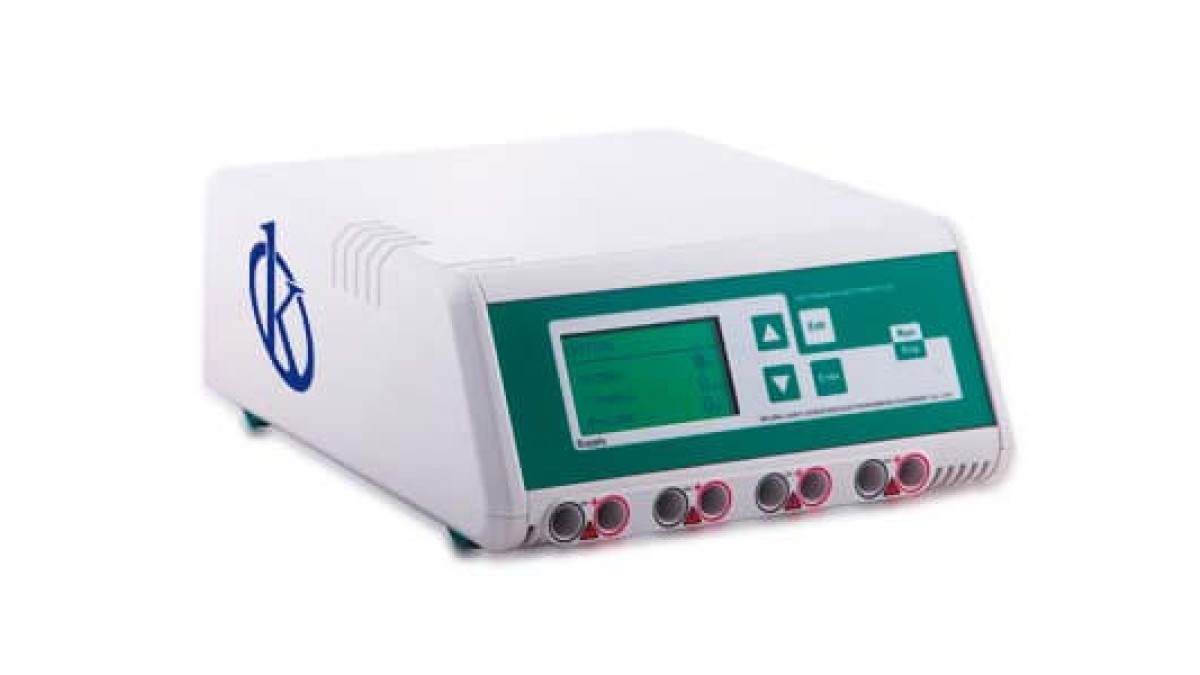
Universal power supplies are used in laboratories for a variety of applications, including electrophoresis, chemical analysis, and other experiments requiring regulated power. They allow precise voltage and current control, making them versatile for different experimental conditions in 2026. Their ability to maintain constant output even under changing load conditions makes them essential in ensuring accurate and reliable results.
History and evolution of the technology
The technology behind universal power supplies has evolved significantly since its inception. Originally, power supplies were bulky and limited in functionality, providing only basic voltage outputs. Over the years, advancements in microprocessor technology have led to the development of smarter, more compact devices with enhanced features such as programmable settings, multiple output options, and improved safety mechanisms. This evolution has made universal power supplies more accessible and user-friendly for laboratory professionals.
How to use it step by step
Using a universal power supply involves the following steps:
- Set Up: Ensure the power supply is placed on a stable surface and connect it to the main power source.
- Connect Output Leads: Securely attach the output leads to the desired experimental setup.
- Power On: Turn on the power supply and allow it to initialize.
- Configure Settings: Adjust the voltage, current, and power settings according to the requirements of your experiment.
- Monitor Output: Use the display to monitor the preset and actual output values continuously.
- Conduct Experiment: Proceed with the experiment, ensuring that conditions remain stable throughout the process.
- Power Down: After completing the experiment, turn off the power supply and disconnect the leads safely.
Best techniques and protocols
To ensure optimal operation of universal power supplies, follow these best techniques and protocols:
- Regularly calibrate the equipment to maintain accuracy in output settings.
- Use appropriate leads and connectors for the specific application to prevent damage and ensure safety.
- Establish a routine for cleaning and maintenance to extend the life of the equipment.
- Keep a log of settings used for different experiments to facilitate repeatability.
- Train all laboratory personnel on the correct usage to minimize errors.
Practical applications by laboratory type
Universal power supplies find applications across various laboratory types:
- Chemical Laboratories: For electrochemical experiments and synthesis processes.
- Biological Laboratories: In electrophoresis and other bioassays requiring precise electrical inputs.
- Research Institutes: For diverse experimental setups where controlled power is essential.
Regulations, standards and certifications
Universal power supplies must comply with industry standards and regulations to ensure safety and effectiveness. Common certifications include:
- ISO 9001 for quality management systems.
- IEC 61010 for electrical safety in laboratories.
- CE marking for compliance with European safety standards.
Comparison with alternative technologies
When considering alternatives to universal power supplies, it is important to weigh their benefits against those of specialized power supplies or battery-operated systems. Universal power supplies offer versatility, allowing for a range of voltage and current settings, while alternatives may provide more specific functionalities but lack flexibility.
Comparison of available models
| Model | Best for | Key specs | Recommended use case |
|---|---|---|---|
| YR03400-2 | High current applications | 10–600 V, 1–500 mA, 1–300 W | Electrophoresis with high load requirements |
| YR03396-2 | Standard laboratory tasks | 5–300 V, 1–400 mA, 1–120 W | General use in chemical and biological experiments |
| YR03395-2 | Medium current experiments | 5–200 V, 1–2000 mA, 1–200 W | Versatile tasks requiring significant power |
| YR03397-2 | High voltage applications | 5–300 V, 1–1500 mA, 1–450 W | Advanced electrophoresis and chemical analysis |
| YR03398-2 | Flexible power demands | 10–600 V, 1–500 mA, 1–300 W | Diverse laboratory settings with variable needs |
| YR03399-2 | Complex protocols | 10–600 V, 1–500 mA, 1–300 W | Projects requiring precise control and programming |
Common mistakes and how to avoid them
Laboratory professionals often make mistakes when using universal power supplies. Here are some common issues and ways to avoid them:
- Incorrect Voltage/Current Settings: Always double-check settings before starting an experiment to avoid damage to samples or equipment.
- Neglecting Calibration: Regularly calibrate the power supply to ensure accurate output.
- Ignoring Safety Protocols: Always follow safety guidelines to prevent accidents and injuries.
- Overloading the Supply: Be aware of the maximum load specifications to avoid overheating and potential failures.
- Inadequate Training: Ensure that all users are adequately trained on the equipment to minimize operational errors.
Maintenance, calibration and good practices 2026
To maximize the lifespan and performance of universal power supplies, follow these maintenance strategies:
- Schedule regular maintenance checks based on usage frequency.
- Keep the units clean and free from dust and debris.
- Conduct periodic calibration using standardized equipment.
- Document all maintenance activities in a maintenance log.
Cost-benefit analysis 2026
Investing in universal power supplies can offer significant long-term benefits. When conducting a cost-benefit analysis, consider:
- The initial investment versus the versatility and longevity of the device.
- Potential savings from reduced equipment failures and downtime.
- The efficiency gains achieved from having the right equipment for various tasks.
Frequently asked questions
What are the primary features to look for in a universal power supply?
When selecting a universal power supply, consider features such as voltage and current range, programmability, safety features, and ease of use. Look for models that offer flexibility and reliability for your specific laboratory needs.
How can I determine the right power supply for my laboratory applications?
Evaluate the requirements of your applications, including voltage and current needs, before selecting a power supply. It’s beneficial to consult with manufacturers or suppliers to ensure compatibility with your experiments.
What should I do if my universal power supply is not working as expected?
First, check the settings to ensure they are correct. Next, inspect the connections and leads for any damage. If issues persist, consult the user manual or contact technical support for troubleshooting guidance.
How often should I calibrate my universal power supply?
Calibration frequency depends on usage, but it is generally recommended to calibrate at least once a year or before significant experiments to ensure accuracy.
Can I use universal power supplies for sensitive biological applications?
Yes, universal power supplies can be used for sensitive biological applications, but it is crucial to set and monitor the outputs carefully to avoid damaging samples.
Is regular maintenance necessary for universal power supplies?
Regular maintenance is essential to ensure the reliability and longevity of universal power supplies. It helps prevent unexpected failures and maintains optimal performance.
Where can I request a quote for universal power supplies?
You can request a quote for universal power supplies by contacting our sales team or visiting our online catalog for more information on available models.
If you are looking for a fusion of innovation and quality, you have come to the right place. At Kalstein, we offer you the luxury of exploring our exclusive catalog of laboratory equipment. We manufacture every device to the highest standards of excellence. Our intuitive and seamless online purchasing channels are designed for your convenience, securing the most competitive prices. Hesitate no longer — we bring science to life, it is time to become part of our community.