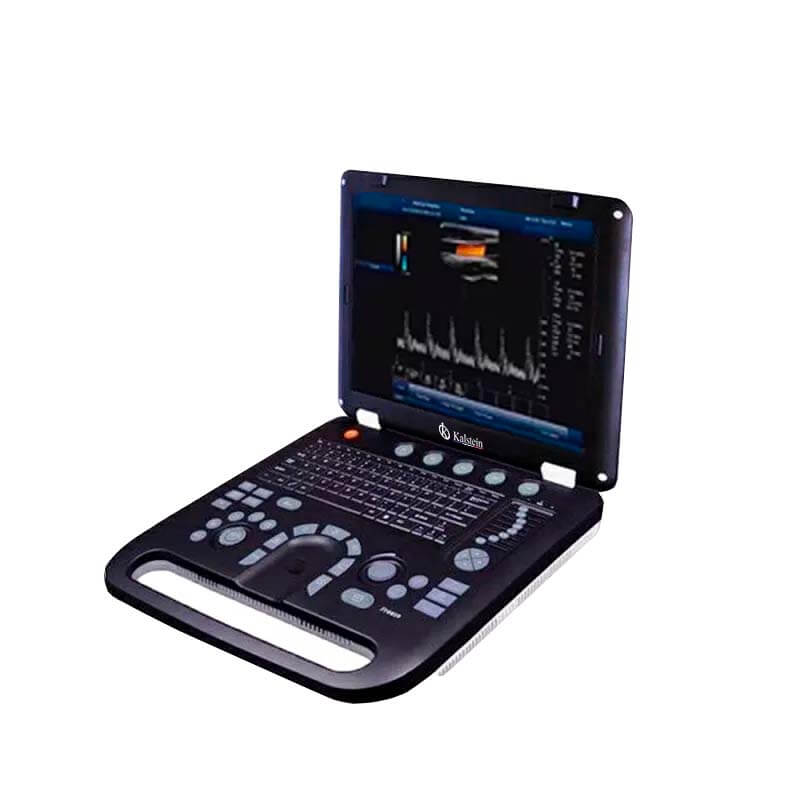
Ultrasonic Color Doppler Diagnostic System: Applications in Research, Biotechnology, and Academia 2026
What is it used for in 2026
In 2026, Ultrasonic Color Doppler Diagnostic Systems are pivotal in various laboratory settings, spanning research, biotechnology, and academic fields. These advanced ultrasound devices enable professionals to visualize blood flow, assess fetal development, and conduct cardiovascular examinations with unparalleled precision. Key applications include:
- Cardiac Assessments: Monitoring and diagnosing various heart conditions.
- Obstetric Evaluations: Assessing fetal health and conditions during pregnancy.
- Vascular Studies: Evaluating blood flow in arteries and veins.
- Musculoskeletal Imaging: Diagnosing joint and muscle issues.
This versatility makes it an invaluable tool for healthcare providers, researchers, and educators alike.
History and evolution of the technology
The development of Ultrasonic Color Doppler technology has significantly evolved since its inception in the late 1950s. Initially introduced as a method for measuring blood flow using sound waves, advancements in computing technology have allowed for enhanced visualization and real-time imaging. The integration of Color Doppler capabilities enabled clinicians to distinguish between different blood flow directions, providing critical insights into cardiovascular health.
By the 1990s, portable devices began to emerge, allowing for on-site evaluations in various medical fields. This portability has expanded the use of Color Doppler ultrasound systems beyond hospitals to outpatient clinics, research facilities, and educational institutions, enhancing the accessibility of this vital diagnostic tool.
How to use it step by step
Utilizing an Ultrasonic Color Doppler Diagnostic System typically involves a series of straightforward steps:
- Preparation: Gather necessary equipment, including the ultrasound machine, probes, and gel. Ensure the device is calibrated and functional.
- Patient Positioning: Position the patient comfortably. Depending on the examination, they may need to lie supine or in a lateral position.
- Application of Gel: Apply ultrasound gel to the area of interest to facilitate sound wave transmission.
- Selecting Settings: Choose the appropriate imaging mode (2D, Doppler, etc.) based on the diagnostic needs.
- Image Acquisition: Move the probe over the target area, adjusting angles for optimal visualization of blood flow and structures.
- Data Analysis: Analyze the generated images and waveforms, documenting any significant findings.
- Report Generation: Prepare a report of the findings, which can be printed or sent electronically.
Best techniques and protocols
To ensure accurate results and optimal patient safety, the following techniques and protocols should be adhered to:
- Regular Calibration: Regularly calibrate the device to maintain imaging quality.
- Optimal Gel Usage: Always use adequate gel to avoid artifacts in the images.
- Probe Angling: Adjust the probe angle to achieve the best Doppler waveforms, particularly in complex anatomical regions.
- Patient Communication: Clearly explain the procedure to the patient to enhance compliance and comfort.
- Documenting Findings: Maintain comprehensive documentation for future reference and continuity of care.
Practical applications by laboratory type
Different laboratory environments utilize Ultrasonic Color Doppler systems in various ways:
Clinical Laboratories:
In clinical settings, these systems are primarily used for diagnostic imaging in cardiology and obstetrics, aiding in patient management and treatment planning.
Research Laboratories:
Research labs employ these systems to study blood flow dynamics, vascular conditions, and fetal development, contributing to advancements in medical knowledge.
Educational Institutions:
In academia, these devices are used to train future healthcare professionals in ultrasound techniques and diagnostics, providing hands-on experience in a classroom setting.
Regulations, standards and certifications
Adherence to regulations and standards is crucial for the operation of Ultrasonic Color Doppler systems. The following regulatory frameworks are typically followed:
- ISO Standards: Many manufacturers adhere to ISO 13485 for quality management systems in medical devices.
- FDA Regulations: In the United States, the FDA oversees the approval and monitoring of ultrasound equipment to ensure safety and efficacy.
- DICOM Standards: Digital Imaging and Communications in Medicine (DICOM) standards facilitate interoperability and data exchange among medical imaging devices.
Comparison with alternative technologies
While Ultrasonic Color Doppler systems are widely used, several alternative technologies provide unique benefits:
- Magnetic Resonance Imaging (MRI): Offers detailed cross-sectional images of soft tissues but lacks real-time imaging capabilities.
- Computed Tomography (CT): Provides detailed images, particularly useful for complex anatomical structures but involves radiation exposure.
- Conventional Ultrasound: Effective for many applications but does not provide the same level of detail in blood flow analysis as Color Doppler.
Each technology has its advantages, and the choice often depends on specific diagnostic needs and patient considerations.
Comparison of available models
| Model | Best for | Key specs | Recommended use case |
|---|---|---|---|
| YR05148 | General diagnostics | 15" LED, 3.5 kg | Basic cardiology and obstetric evaluations |
| YR05149 | Portable applications | 15" LED, 4 ports | On-site assessments in various clinical settings |
| YR05150 | Multi-discipline use | 15" LED, 2 connectors | Cardiac, vascular, and musculoskeletal imaging |
| YR05151 | High-performance imaging | 15" LED, 4 connectors | Advanced diagnostic procedures in cardiovascular settings |
| YR05152 | 4D imaging | 15" LED, 5.5 kg | In-depth obstetric evaluations |
| YR05153 | Portable diagnostics | 15" LED, 2 connectors | Field assessments and small clinics |
Common mistakes and how to avoid them
To optimize the use of Ultrasonic Color Doppler Diagnostic Systems, here are common mistakes to avoid:
- Inadequate Gel Application: Failing to apply sufficient gel can lead to poor image quality. Always ensure even coverage.
- Poor Patient Positioning: Incorrect positioning can hinder access to target areas. Ensure patients are comfortably positioned for optimal access.
- Neglecting Calibration: Regular calibration is crucial for maintaining diagnostic accuracy—adhere to a strict calibration schedule.
- Inconsistent Documentation: Failing to document findings can lead to miscommunications. Maintain comprehensive records for all examinations.
Maintenance, calibration and good practices 2026
To ensure the longevity and functionality of Ultrasonic Color Doppler systems, follow these maintenance practices:
- Regular Cleaning: Clean the probes and surfaces with approved disinfectants after each use.
- Calibration Schedule: Implement a strict calibration schedule to ensure accuracy and reliability.
- Software Updates: Regularly check for and install any software updates to enhance functionality.
- Training and Education: Ensure all operating personnel are properly trained on equipment use and safety protocols.
Cost-benefit analysis 2026
Investing in an Ultrasonic Color Doppler Diagnostic System can provide significant returns in terms of improved diagnostic accuracy and patient outcomes. The benefits include:
- Enhanced Diagnostic Capabilities: These systems enable healthcare professionals to make more informed decisions.
- Cost Savings: Early detection of conditions can lead to reduced treatment costs over time.
- Improved Patient Satisfaction: Offering advanced diagnostic services enhances patient trust and satisfaction.
When considering the acquisition of such systems, a thorough cost-benefit analysis is essential to justify the investment.
Frequently asked questions
What features should I look for in an Ultrasonic Color Doppler Diagnostic System?
Look for features such as image quality, portability, ease of use, and connectivity options like DICOM compatibility to enhance your diagnostic workflows.
How can I ensure accurate results when using a Color Doppler system?
Regular calibration, proper gel application, and optimal patient positioning are key to ensuring accurate and reliable results.
What are the most common applications for these systems in research?
Common applications include studying blood flow dynamics, assessing fetal development, and conducting vascular research.
Is training necessary for operating these systems?
Yes, training is crucial to ensure operators understand the equipment's functionalities and maintenance procedures for optimal performance.
How often should I perform maintenance on the equipment?
Maintenance should be performed regularly, according to manufacturer recommendations, and should include cleaning, calibration, and software updates.
What are the benefits of using Color Doppler technology over traditional ultrasound?
Color Doppler technology provides enhanced visualization of blood flow and can distinguish between different flow directions, offering more comprehensive diagnostic information.
How can I request a quote for a Ultrasonic Color Doppler system?
You can easily request a quote on Kalstein Plus, where our team will assist you with the best options tailored to your laboratory needs.
If you are looking for a fusion of innovation and quality, you have come to the right place. At Kalstein, we offer you the luxury of exploring our exclusive catalog of laboratory equipment. We manufacture every device to the highest standards of excellence. Our intuitive and seamless online purchasing channels are designed for your convenience, securing the most competitive prices. Hesitate no longer — we bring science to life, it is time to become part of our community.