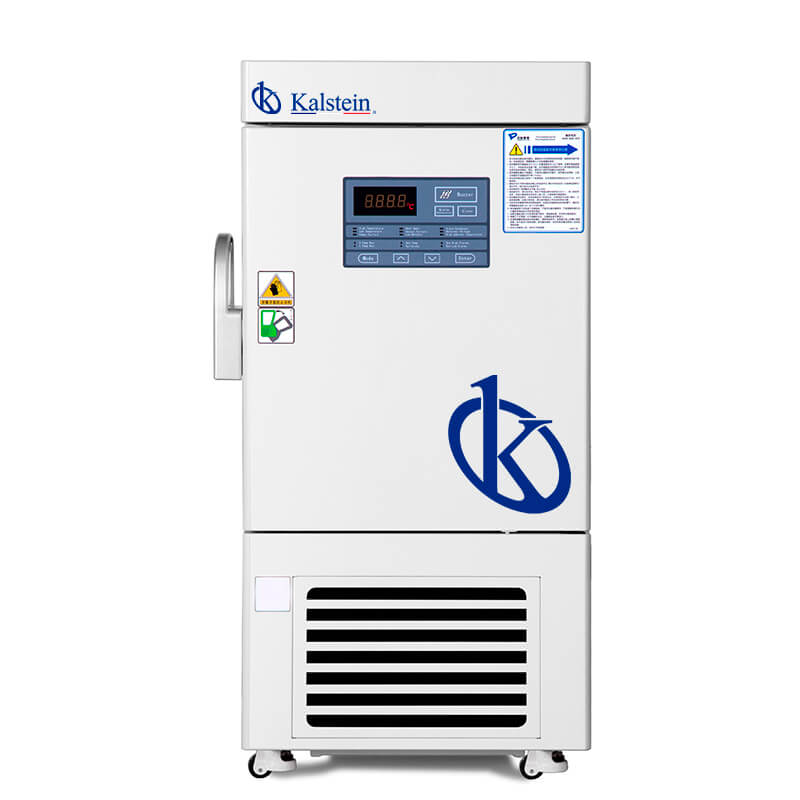
Ultra Freezers: Practical Applications and Techniques 2026
Ultra freezers are critical equipment in various laboratory settings, specifically designed for the long-term storage of biological products such as viruses, red blood cells, and other sensitive materials. In 2026, understanding their applications, protocols, and best practices is essential for laboratory professionals seeking to enhance their workflows.
What is it used for in 2026
In 2026, ultra freezers are primarily used for the preservation of biological specimens, pharmaceuticals, and sensitive materials that require extremely low temperatures. They are essential in blood banks, hospitals, epidemic prevention services, research institutes, and laboratories in chemical and electronic plants. These environments prioritize the safety and integrity of stored materials, making ultra freezers invaluable assets.
History and evolution of the technology
The technology behind ultra freezers has evolved significantly. Originally, conventional freezers operated at less stringent temperature controls. However, advancements have led to the development of ultra-low temperature freezers capable of maintaining temperatures as low as -86 °C. This evolution has allowed for the safe storage of a wider variety of biological materials, enhancing research capabilities and medical advancements.
How to use it step by step
- Preparation: Ensure the ultra freezer is properly installed and calibrated. Check that the power source is stable and that the unit is set up in an appropriate environment.
- Temperature Setting: Set the desired storage temperature based on the type of materials being stored. Common settings are between -40 °C to -86 °C.
- Loading Samples: Place the samples in appropriate containers and organize them in the freezer. Avoid overcrowding to ensure proper air circulation.
- Monitoring: Regularly check the temperature display and ensure alarms are functioning correctly to alert you of any malfunctions.
- Regular Maintenance: Schedule regular maintenance checks and keep the interior clean to avoid contamination.
Best techniques and protocols
To maximize the efficiency of ultra freezers, it is essential to adhere to best practices:
- Use insulated containers for samples to minimize thermal shock when loading or unloading.
- Label samples clearly to avoid confusion and ensure traceability.
- Maintain a log of samples stored, including their locations and conditions.
- Implement a routine inspection schedule to check for any signs of wear or malfunction.
Practical applications by laboratory type
Different types of laboratories utilize ultra freezers in various ways:
- Clinical Laboratories: For storing blood and tissue samples used in diagnostics.
- Research Institutions: For preserving cell lines, plasmids, and other biological materials for experimentation.
- Pharmaceutical Companies: To store vaccines and sensitive chemicals that require ultra-low temperatures.
- Academic Institutions: For educational purposes and experimental studies involving biological samples.
Regulations, standards and certifications
Ultra freezers must comply with several regulations and standards to ensure safety and performance. These include:
- ISO 9001 for quality management systems.
- FDA regulations for biomedical storage equipment.
- Good Manufacturing Practice (GMP) guidelines for pharmaceutical storage.
Comparison with alternative technologies
Compared to conventional freezers, ultra freezers offer:
- Lower Temperature Range: Ultra freezers can reach much lower temperatures than standard freezers.
- Improved Sample Preservation: They provide a more stable environment for temperature-sensitive materials.
- Enhanced Security Features: Many models come equipped with alarms and monitoring systems that conventional freezers lack.
Comparison of available models
| Model | Best for | Key specs | Recommended use case |
|---|---|---|---|
| YR05106 | Long-term storage of biological products | Temperature range: -40 °C to -86 °C Energy consumption: 5.6 kWh/24h Power: 442 W | Blood banks and hospitals |
| YR05107 | Research laboratories | Temperature range: -40 °C to -86 °C Energy consumption: 8.2 kWh/24h Power: 660 W | Storage of cell cultures |
| YR05108 | Pharmaceutical storage | Temperature range: -40 °C to -86 °C Energy consumption: 12 kWh/24h Power: 890 W | Vaccine preservation |
| YR05109 | Biological research facilities | Temperature range: -40 °C to -86 °C Energy consumption: 16.5 kWh/24h Power: 1500 W | Storage of genetic materials |
| YR05110 | High-demand laboratories | Temperature range: -40 °C to -86 °C Energy consumption: 20 kWh/24h Power: 1400 W | Long-term sample storage |
| YR05111 | Multifunctional use | Temperature range: -40 °C to -86 °C Energy consumption: 18.8 kWh/24h Power: 1700 W | Various biological applications |
Common mistakes and how to avoid them
Laboratory professionals often encounter several common mistakes when using ultra freezers, including:
- Overloading the freezer, which can disrupt temperature consistency. Always adhere to manufacturer guidelines on load capacity.
- Failing to monitor temperature effectively. Implement a routine check of temperature logs and alarm systems.
- Neglecting regular maintenance. Schedule routine checks to ensure all components are functioning correctly.
Maintenance, calibration and good practices 2026
To ensure optimal performance of ultra freezers, follow these maintenance practices:
- Conduct regular cleaning of the interior and external surfaces.
- Calibrate temperature sensors annually to maintain accuracy.
- Inspect door seals and gaskets for integrity to prevent air leaks.
Cost-benefit analysis 2026
Investing in ultra freezers represents a significant upfront cost but offers substantial long-term benefits, including:
- Protection of invaluable biological samples, avoiding the cost of sample loss.
- Enhanced research capabilities leading to potential advancements in medical and scientific fields.
Frequently asked questions
What factors should I consider when choosing an ultra freezer?
Consider temperature range, storage capacity, energy consumption, and specific features such as alarms and monitoring systems.
How often should I perform maintenance on my ultra freezer?
Regular maintenance checks should be performed monthly, with a more thorough inspection and cleaning every six months.
Can I store different types of materials in the same ultra freezer?
Yes, but ensure they are compatible and will not react adversely with each other. Proper labeling and organization are crucial.
What should I do if the temperature alarm goes off?
Immediately check the freezer's status, ensure it remains powered, and assess whether there is an immediate issue such as a door left ajar. Contact maintenance if needed.
Are there specific protocols for loading and unloading samples?
Yes, always ensure the freezer is at the desired temperature before loading or unloading. Minimize the time the door is open to maintain internal temperature.
How do I properly calibrate my ultra freezer?
Calibration should be done by a qualified technician, typically once a year, to ensure all temperature sensors are accurate.
What is the expected lifespan of an ultra freezer?
With proper maintenance, ultra freezers can last 10-15 years, depending on usage and model quality.
If you are looking for a fusion of innovation and quality, you have come to the right place. At Kalstein, we offer you the luxury of exploring our exclusive catalog of laboratory equipment. We manufacture every device to the highest standards of excellence. Our intuitive and seamless online purchasing channels are designed for your convenience, securing the most competitive prices. Hesitate no longer — we bring science to life, it is time to become part of our community.