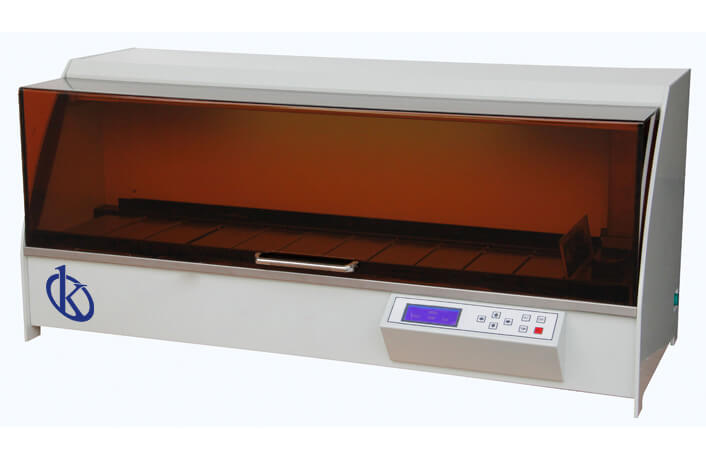
Tissue Processors: Practical Applications and Techniques 2026
Tissue processors are essential pieces of equipment in pathology and laboratory settings, facilitating the preparation of biological tissues for microscopic examination. These devices automate the process of dehydration, clearing, and infiltration of tissue samples in paraffin wax, significantly improving the efficiency and quality of histopathological analyses. This article provides an in-depth look at the various applications, best practices, and the latest advancements in tissue processing technology as of 2026.
What is it used for in 2026
In 2026, tissue processors are primarily utilized in clinical and hospital laboratories to prepare tissue samples for histological examination. The need for high-quality tissue sections has driven the evolution of tissue processing technology. These devices allow for:
- Rapid tissue processing without compromising the quality of histological results.
- Improved workflow efficiency by automating tedious manual tasks.
- Customization of protocols tailored to specific tissue types and diagnostic requirements.
- Enhanced reproducibility of results, ensuring consistency across different sample batches.
History and evolution of the technology
The history of tissue processors dates back to the late 19th century when manual methods were used for tissue preparation. Over the decades, technological advancements have led to the development of automated systems that streamline the process. Key milestones include:
- Introduction of the first automated tissue processors in the 1970s.
- Advancements in microprocessor technology allowing for programmable protocols.
- Integration of user-friendly interfaces, making it easier for laboratory technicians to operate the equipment.
- Recent innovations such as energy-efficient heating systems and enhanced safety features.
How to use it step by step
Using a tissue processor involves several systematic steps to ensure optimal results. Follow these guidelines:
- Preparation: Gather all necessary supplies, including reagents, paraffin, and specimens.
- Loading: Place the tissue samples into the designated cups of the processor.
- Program Selection: Choose the appropriate processing program based on the tissue type and desired outcomes.
- Monitoring: Regularly check the machine during operation to ensure everything is functioning correctly.
- Unloading: Once the processing cycle is complete, carefully remove the processed samples and prepare them for embedding.
Best techniques and protocols
To achieve high-quality results, it’s critical to follow best practices in tissue processing:
- Optimize processing times based on the specific tissue types.
- Use high-quality reagents to ensure effective dehydration and infiltration.
- Implement regular calibration and maintenance schedules for the equipment.
- Document processing protocols for reproducibility in future analyses.
Practical applications by laboratory type
Tissue processors find applications across various laboratory settings:
Clinical Laboratories
In clinical laboratories, these devices are used for preparing specimens for routine diagnostics, including cancer screenings and infectious disease investigations.
Research Laboratories
Research settings utilize tissue processors for experimental studies, often involving specialized processing protocols tailored to research objectives.
Veterinary Pathology
Veterinary labs benefit from tissue processors for diagnosing animal diseases through effective tissue sample preparation.
Regulations, standards and certifications
Laboratories using tissue processors must adhere to various regulations and standards, including:
- ISO 15189: Standards for medical laboratories.
- Good Laboratory Practice (GLP) guidelines.
- US Food and Drug Administration (FDA) regulations for laboratory equipment.
Comparison with alternative technologies
While tissue processors are widely used, alternative technologies also exist, such as:
- Manual Processing: More labor-intensive and less consistent results.
- Cryostat Sectioning: Different approach for rapid freezing and sectioning, not always suitable for all tissue types.
Comparison of available models
| Model | Best for | Key specs | Recommended use case |
|---|---|---|---|
| YR431-1 | Medium laboratories | 12 cups, 2000 ml capacity, RT – 80℃ | High throughput and efficiency |
| YR436-2 | Small laboratories | 12 cups, compact design | Cost-effective tissue processing |
| YR427 | Small laboratories | 12 cups, 700 ml capacity | Budget-friendly option for sample preparation |
| YR428 | Small laboratories | 12 cups, 1000 ml capacity | Space-saving with reliable performance |
| YR429 | Medium laboratories | 12 cups, 1500 ml capacity | High-quality section preparation |
| YR431 | Medium laboratories | 12 cups, 2000 ml capacity | Versatile use for various tissue types |
Common mistakes and how to avoid them
To ensure optimal performance and results, avoid the following common mistakes:
- Not calibrating the machine regularly, which can lead to inconsistent results.
- Using expired reagents that may compromise tissue processing quality.
- Overloading the processor with too many samples, which can hinder performance.
Maintenance, calibration and good practices 2026
Regular maintenance and calibration are crucial for the longevity and accuracy of tissue processors:
- Schedule routine maintenance checks by qualified personnel.
- Calibrate temperature settings based on manufacturer recommendations.
- Perform thorough cleaning after each use to prevent cross-contamination.
Cost-benefit analysis 2026
Investing in a tissue processor can yield significant benefits:
- Increased efficiency and reduced labor costs.
- Improved quality of tissue sections, leading to better diagnostic outcomes.
- Long-term savings by minimizing reagent waste and enhancing workflow.
Frequently asked questions
How do I choose the right tissue processor for my laboratory?
Consider factors such as laboratory size, budget, required processing capacity, and specific application needs.
What are the key maintenance tasks for a tissue processor?
Regular cleaning, calibration of temperature settings, and periodic professional servicing are key maintenance tasks.
Can I use different reagents with my tissue processor?
Yes, but ensure that the reagents are compatible with the processing protocols and equipment specifications.
How often should I calibrate my tissue processor?
Calibration should be performed at regular intervals, typically every three to six months, or as recommended by the manufacturer.
What is the typical lifespan of a tissue processor?
A well-maintained tissue processor can last between 5 to 10 years, depending on usage and care.
Are there specific training requirements for operating a tissue processor?
Yes, operators should be trained on the specific model and its protocols to ensure safety and efficiency.
How can I request a quote for a tissue processor?
Contact us directly to request a quote tailored to your laboratory's needs.
If you are looking for a fusion of innovation and quality, you have come to the right place. At Kalstein, we offer you the luxury of exploring our exclusive catalog of laboratory equipment. We manufacture every device to the highest standards of excellence. Our intuitive and seamless online purchasing channels are designed for your convenience, securing the most competitive prices. Hesitate no longer — we bring science to life, it is time to become part of our community.