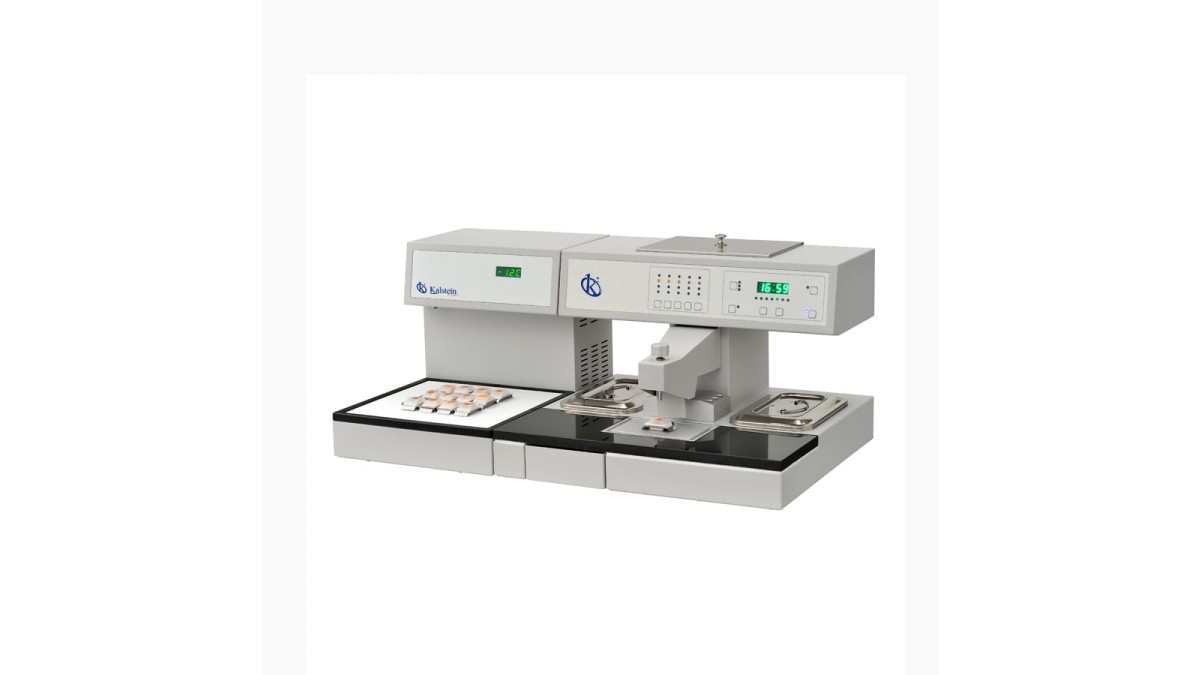
Tissue Embedding Systems: Best Practices and Common Errors in Daily Operation 2026
What is it used for in 2026
Tissue embedding systems are essential in histology and pathology labs for embedding tissue samples in paraffin to create durable blocks that facilitate sectioning for microscopic examination. These systems streamline the process of preparing samples, ensuring that they are adequately preserved for evaluation. In 2026, these systems incorporate advanced technology, allowing for programmable settings and improved temperature control, which enhances accuracy and efficiency in tissue processing.
History and evolution of the technology
The technology behind tissue embedding systems has evolved significantly over the years. Initially, embedding was done manually, leading to inconsistencies in sample preparation. The introduction of automated systems has transformed this process by incorporating programmable features that allow for precise control over temperature and timing. Over time, enhancements in heating elements and the introduction of user-friendly interfaces have made these systems more reliable, efficient, and accessible for laboratory professionals.
How to use it step by step
Using a tissue embedding system involves several critical steps:
- Preparation of Tissue Samples: Ensure that tissue samples are adequately fixed and dehydrated before embedding.
- Set Up the Embedding System: Turn on the system and set the desired temperatures for paraffin melting and embedding.
- Loading Paraffin: Fill the paraffin chamber with the appropriate type of paraffin based on your workflow.
- Embed the Tissue: Place the tissue samples in molds and fill them with molten paraffin, ensuring no air bubbles are present.
- Cooling: Allow the paraffin to cool and solidify before removing the blocks from the molds.
- Storage: Store the paraffin blocks in a suitable environment until they are ready for sectioning.
Best techniques and protocols
To achieve optimal results when using tissue embedding systems, consider the following techniques and protocols:
- Ensure proper fixation and dehydration of tissue samples to enhance embedding quality.
- Use high-quality paraffin to prevent issues such as poor infiltration.
- Regularly calibrate the system to maintain accurate temperature controls.
- Follow manufacturer guidelines for usage and maintenance to ensure longevity and reliability of the equipment.
Practical applications by laboratory type
Different types of laboratories utilize tissue embedding systems in unique ways:
- Histopathology Labs: These labs require precise sample preparation for diagnosing diseases, making embedding systems vital for creating high-quality slides.
- Research Facilities: In research settings, embedding systems help prepare tissue samples for experimental analysis and data collection.
- Clinical Laboratories: Clinical labs use embedding systems to prepare biopsy samples, aiding in timely and accurate patient diagnosis.
Regulations, standards and certifications
Laboratories using tissue embedding systems must adhere to specific regulations and standards, including:
- ISO 15189: Medical laboratories — Particular requirements for quality and competence.
- CLIA (Clinical Laboratory Improvement Amendments) standards for laboratory testing.
- Good Laboratory Practices (GLP) to ensure the reliability and integrity of laboratory results.
Comparison with alternative technologies
When evaluating tissue embedding systems, it is essential to consider alternative technologies:
- Manual Embedding: This method is labor-intensive and prone to human error, whereas automated systems provide consistency and efficiency.
- Other Embedding Media: While paraffin is the most common, alternative embedding media like resin offer different properties for specific applications, such as electron microscopy.
Comparison of available models
| Model | Best for | Key specs | Recommended use case |
|---|---|---|---|
| YR441 | Advanced tissue processing | 3 liters, Temp range: 55 - 70℃, ±1% accuracy | High-throughput histology labs |
| YR447 | Rapid and uniform heating | 4 liters, Temp range: RT - 85℃, ±1% accuracy | Research facilities requiring quick processing |
| YR439 | Ergonomic design for comfort | 3 liters, Temp range: 55 - 70℃, ±1% accuracy | Routine laboratory use with comfort in mind |
| YR445 | Comprehensive dispensing unit | 4 liters, Temp range: ambient - 85℃, ±1% accuracy | Labs needing flexibility in embedding processes |
| YR439-1 | High-capacity embedding | ≥6 liters, Temp range: TA-85℃, ±1% accuracy | High-volume laboratories with demanding workloads |
| YR440B | Efficient cooling | 0 to -20℃, 300W power | Labs requiring effective tissue preservation |
Common mistakes and how to avoid them
Laboratory professionals must be aware of common pitfalls when operating tissue embedding systems:
- Improper Temperature Settings: Ensure that the temperatures are set correctly for both paraffin melting and embedding to avoid poor sample quality.
- Inadequate Sample Preparation: Properly fix and dehydrate samples before embedding to avoid artifacts.
- Neglecting Maintenance: Regularly maintain and calibrate equipment to prevent operational issues.
Maintenance, calibration and good practices 2026
To ensure optimal operation of tissue embedding systems, follow these maintenance tips:
- Calibrate temperature settings regularly to ensure accuracy.
- Clean the embedding area and paraffin chamber to prevent contamination.
- Check for any software updates or improvements regularly to keep the system functioning efficiently.
Cost-benefit analysis 2026
Investing in a tissue embedding system offers significant benefits:
- Increased efficiency reduces labor costs and time spent on sample preparation.
- Enhanced accuracy improves the quality of diagnostic results, potentially leading to better patient outcomes.
- Advanced technology in embedding systems minimizes errors and rework costs.
Frequently asked questions
What factors should I consider when choosing a tissue embedding system?
Consider the system's capacity, temperature range, user interface, and additional features that align with your laboratory's specific needs and workflow.
How often should I perform maintenance on my tissue embedding system?
Regular maintenance should be conducted according to the manufacturer's guidelines, typically every few months or whenever issues arise.
Can I use alternative embedding media in these systems?
Yes, many systems allow for the use of various embedding media, but always refer to the manufacturer's instructions to ensure compatibility.
What are the common signs of malfunction in embedding systems?
Signs include erratic temperature readings, failure to maintain set temperatures, and unusual noises during operation.
How can I improve my tissue embedding workflow?
Improving the workflow can often be achieved by ensuring proper sample preparation, calibrating equipment regularly, and training personnel adequately on system use.
What should I do if my samples do not embed correctly?
If embedding issues arise, verify temperature settings, check for paraffin quality, and ensure samples were properly prepared prior to embedding.
Is it necessary to operate these systems continuously?
While continuous operation can enhance efficiency, it's essential to follow manufacturer recommendations regarding operation times and maintenance checks.
If you are looking for a fusion of innovation and quality, you have come to the right place. At Kalstein, we offer you the luxury of exploring our exclusive catalog of laboratory equipment. We manufacture every device to the highest standards of excellence. Our intuitive and seamless online purchasing channels are designed for your convenience, securing the most competitive prices. Hesitate no longer — we bring science to life, it is time to become part of our community.