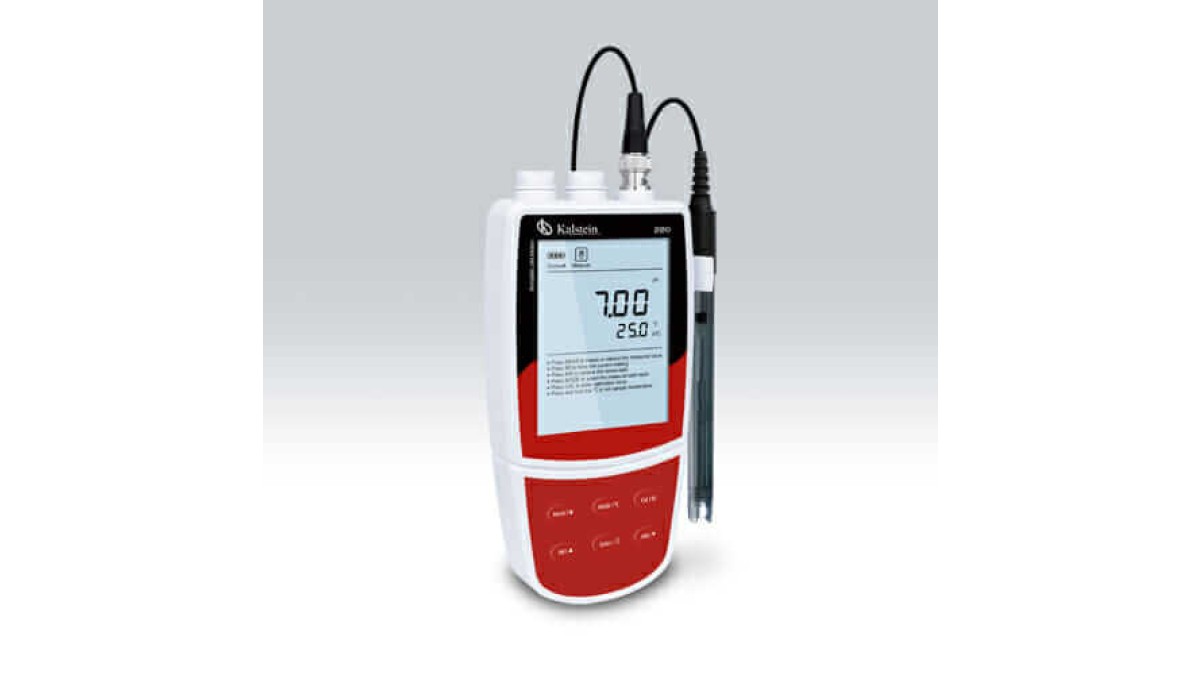
Table pH Meters: Practical Applications and Techniques 2026
What is it used for in 2026
Table pH meters are essential instruments in laboratories for measuring the acidity or alkalinity of a solution, which is critical in various fields such as chemistry, biology, environmental science, and food production. In 2026, these meters continue to evolve, providing enhanced features for accuracy, ease of use, and data management.
History and evolution of the technology
The technology behind pH meters has evolved significantly since their inception in the early 20th century. Initially, pH measurements were performed using litmus paper, which provided a very rough estimate of acidity. The advancement to electronic pH meters in the 1930s marked a significant turning point, allowing for more precise measurements. Over the decades, improvements in sensor technology, microprocessors, and software have further enhanced the functionality of table pH meters, enabling features like automatic calibration, temperature compensation, and data logging.
How to use it step by step
Using a table pH meter involves a few critical steps:
- Preparation: Gather all necessary equipment including the pH meter, calibration solutions, sample solution, and cleaning solutions.
- Calibration: Turn on the pH meter and calibrate it using standard buffer solutions (usually at pH 4.01, 7.00, and 10.01) to ensure accuracy.
- Measurement: Rinse the electrode with distilled water, immerse it in the sample solution, and wait for the reading to stabilize.
- Recording: Note the stabilized pH value, and if necessary, log data for future analysis.
- Cleaning: After use, clean the electrode to maintain its longevity and accuracy.
Best techniques and protocols
To achieve optimal results with table pH meters, follow these best techniques:
- Always calibrate before taking measurements.
- Use fresh calibration solutions to ensure accuracy.
- Store the electrode properly when not in use, usually in a storage solution recommended by the manufacturer.
- Minimize exposure of the electrode to air to prevent contamination.
Practical applications by laboratory type
Table pH meters find applications across various laboratory types:
- Chemistry Laboratories: For titrations and solution preparations.
- Biological Laboratories: For cell culture media and microbiological studies.
- Environmental Laboratories: For analyzing soil and water samples.
- Food and Beverage Labs: For quality control in production processes.
Regulations, standards and certifications
In 2026, laboratories must adhere to regulations and standards such as ISO 17025, which outlines the requirements for testing and calibration laboratories. Compliance ensures valid and reliable results, essential for quality assurance and regulatory requirements.
Comparison with alternative technologies
While table pH meters are widely used, alternatives such as handheld pH meters and colorimetric pH tests exist. Handheld meters offer portability but may lack the precision of table models. Colorimetric tests involve chemical indicators and provide a visual approximation but are less accurate than electronic methods.
Comparison of available models
| Model | Best for | Key specs | Recommended use case |
|---|---|---|---|
| YR0220A | General laboratory measurements | pH range: -2.00~20.00; Resolution: 0.01pH; Accuracy: ±0.01pH | Suitable for routine pH measurements in various solutions |
| YR01822 | Advanced applications | pH range: -2.00~20.00; Resolution: ±0.02pH; Automatic calibration | Ideal for laboratories requiring high accuracy and data storage |
| YR01825 | Touchscreen interface for ease of use | pH range: -2.00~20.00; Touchscreen; Smart features | Useful for educational settings or for users preferring interactive interfaces |
| YR01823-2 | Precision and accuracy | pH range: -2.000~20.000; Calibration points: 1 to 5; Accuracy: ±0.002pH | Best for precision-sensitive applications in research |
| YR01823 | Interactive measurements | pH range: -2.00~20.00; Touchscreen; Automatic calibration | Perfect for labs needing advanced features and user-friendly interfaces |
| YR01826 | Field measurements | pH range: -2~19.999; Display: 5-inch LCD; Data logging capabilities | Great for on-site pH testing in environmental studies |
Common mistakes and how to avoid them
Common mistakes when using table pH meters include:
- Skipping calibration: Always calibrate before use to ensure accuracy.
- Neglecting electrode care: Properly store and clean electrodes after use.
- Using outdated buffers: Ensure calibration solutions are fresh and within expiration dates.
Maintenance, calibration and good practices 2026
Regular maintenance and calibration are crucial for the longevity of pH meters:
- Calibrate at least once a month or before major testing.
- Clean the electrode with a suitable solution after each use.
- Check for any signs of damage or wear on the electrode.
Cost-benefit analysis 2026
Investing in a quality table pH meter can yield significant benefits in terms of accuracy, reliability, and time saved in analysis. The initial cost can be offset by improved data quality and reduced errors in measurements, leading to better research outcomes and compliance with regulatory standards.
Frequently asked questions
How do I choose the right table pH meter for my lab?
Consider your specific needs, such as measurement range, accuracy, and features like automatic calibration and data logging. Evaluate the applications you will use it for and choose a model that fits those requirements.
What is the importance of calibrating my pH meter?
Calibration ensures that your pH meter provides accurate readings by aligning its measurements with standard buffer solutions. Without calibration, your measurements could be significantly off, leading to erroneous results.
Can I use any pH meter for all types of solutions?
No, different pH meters may be better suited for specific solutions. Some are designed for high-viscosity fluids or those with particulates, while others may work best in pure solutions. Always check manufacturer specifications.
How often should I service my pH meter?
Routine maintenance should be performed after every use, with a more thorough service every few months or as recommended by the manufacturer. Regular checks ensure that the meter functions accurately and efficiently.
What should I do if my pH meter gives inconsistent readings?
First, recalibrate the device. If inconsistencies persist, check the electrode for damage, clean it, and ensure it is stored correctly. If problems continue, it may need replacement.
Is it necessary to use storage solutions for pH electrodes?
Yes, using a storage solution helps maintain the electrode’s sensitivity and prevents it from drying out, which could lead to inaccurate readings or damage.
Where can I request a quote for a table pH meter?
You can request a quote through our online platform, where you will find a variety of models to suit your laboratory needs.
If you are looking for a fusion of innovation and quality, you have come to the right place. At Kalstein, we offer you the luxury of exploring our exclusive catalog of laboratory equipment. We manufacture every device to the highest standards of excellence. Our intuitive and seamless online purchasing channels are designed for your convenience, securing the most competitive prices. Hesitate no longer — we bring science to life, it is time to become part of our community.