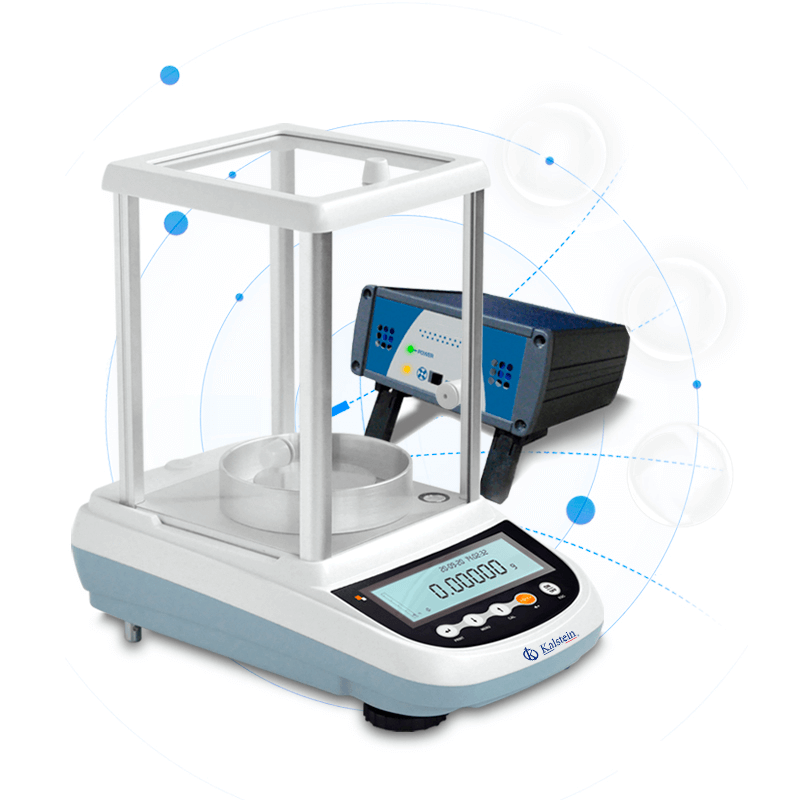
Semimicro Balances: Practical Applications and Techniques 2026
What is it used for in 2026
Semimicro balances are essential instruments in laboratory settings, particularly in clinical and hospital environments. These balances are specifically designed to measure small masses, typically in the range of milligrams to a few grams, with high precision and accuracy. In 2026, semimicro balances are increasingly utilized for various applications including:
- Pharmaceutical Research: Accurate measurements are critical in drug formulation and development, allowing researchers to create precise concentrations.
- Quality Control: Industries rely on semimicro balances to ensure that materials meet specified weight standards before use.
- Food Safety: In laboratories analyzing food samples, these balances assist in measuring additives and contaminants.
- Environmental Testing: Researchers use balances to measure pollutants in air and water samples, ensuring compliance with environmental regulations.
- Academic Research: Universities and institutions leverage these balances for various scientific studies requiring high measurement precision.
History and evolution of the technology
The development of balances has evolved significantly over time. Early balances, dating back to ancient civilizations, were simple beam balances that relied on physical weight comparison. Over the centuries, advancements in materials and technology led to the emergence of more sophisticated weighing devices.
In the late 20th century, digital technology began to revolutionize the field of weighing. It allowed for more accurate readings and eliminated the need for manual calculations. Semimicro balances, as a subcategory, emerged to meet the growing need for precision in laboratory settings. By incorporating automatic calibration and advanced features, these balances have become indispensable tools in modern laboratories.
How to use it step by step
Using a semimicro balance involves several key steps to ensure accurate and reliable measurements:
- Preparation: Place the balance on a stable, vibration-free surface to minimize disturbances.
- Calibration: Perform automatic calibration as per the manufacturer’s guidelines to ensure accuracy.
- Settings: Select the appropriate measurement unit (grams, milligrams, etc.) and ensure the tare function is reset.
- Sample Placement: Use appropriate weighing boats or paper to hold the sample, and place it gently on the balance pan.
- Recording Measurements: Wait for the reading to stabilize before recording the weight displayed on the screen.
- Data Management: Utilize the balance's data management features to store measurements, if available.
- Cleaning: After use, clean the balance to maintain hygiene and accuracy.
Best techniques and protocols
To achieve optimal results when using semimicro balances, consider the following techniques and protocols:
- Environmental Control: Ensure that the laboratory environment is free from drafts, temperature fluctuations, and vibrations.
- Sample Handling: Use tweezers or gloves when handling samples to prevent contamination from skin oils.
- Regular Calibration: Schedule routine calibrations to maintain accuracy over time.
- Using the Right Weighing Vessels: Choose lightweight and static-free containers when weighing samples.
- Allowing Stabilization: Give samples time to acclimate to room temperature before weighing.
Practical applications by laboratory type
Different types of laboratories utilize semimicro balances to meet their specific needs:
Clinical Laboratories
In clinical laboratories, semimicro balances are essential for preparing standard solutions and reagents for various tests. Their ability to provide precise measurements is crucial for accurate diagnostic results.
Research Laboratories
Research laboratories often use semimicro balances for experiments requiring meticulous weight measurements, especially in fields like chemistry and biology.
Quality Control Laboratories
In quality control labs, semimicro balances are used to verify the weight of materials and finished products, ensuring compliance with regulations.
Pharmaceutical Laboratories
Pharmaceutical laboratories utilize these balances for formulation and quality assurance processes in drug development.
Regulations, standards and certifications
In 2026, semimicro balances must comply with various international standards and regulations, including:
- ISO 9001: Quality management systems to ensure consistent quality in manufacturing processes.
- ISO 17025: Standards for testing and calibration laboratories to guarantee reliability of results.
- GLP (Good Laboratory Practice): Regulations ensuring that laboratory studies are conducted to ensure quality and integrity.
- FDA Regulations: Compliance with regulations set by the Food and Drug Administration in pharmaceutical laboratories.
Comparison with alternative technologies
When considering alternatives to semimicro balances, the following technologies are worth exploring:
- Analytical Balances: Offer higher precision but may be less suitable for larger sample sizes.
- Top Loading Balances: Easier to use for larger weighing tasks but lack the precision required for semimicro applications.
- Hybrid Balances: Combine features of both analytical and top loading balances, providing versatility for various applications.
Comparison of available models
| Model | Best for | Key specs | Recommended use case |
|---|---|---|---|
| YR05562 | Precision weighing in pharmaceuticals | 62g/120g capacity, 0.01 mg resolution | Formulating drug compounds |
| YR05563 | Laboratory research | 82g/220g capacity, 0.01 mg resolution | Weighing small sample sizes for experiments |
| YR05564 | Quality control testing | 102g/220g capacity, 0.01 mg resolution | Verifying material specifications |
| YR05565 | Environmental analysis | 122g capacity, 0.01 mg resolution | Analyzing pollutants in samples |
| YR05566 | Food safety testing | 162g capacity, 0.01 mg resolution | Measuring food additives |
| YR05567 | Academic research | 202g capacity, 0.01 mg resolution | Conducting research studies |
Common mistakes and how to avoid them
Common mistakes in using semimicro balances can lead to inaccurate measurements:
- Ignoring Calibration: Always perform calibration before use to ensure accuracy.
- Overloading the Balance: Do not exceed the balance's capacity to avoid damage. Always check specifications.
- Inadequate Sample Handling: Use appropriate techniques to avoid contamination and loss of sample substance.
- Not Accounting for Environmental Factors: Ensure stable conditions in the laboratory to prevent fluctuations in measurements.
Maintenance, calibration and good practices 2026
Regular maintenance and calibration are crucial for the longevity and accuracy of semimicro balances:
- Daily Cleaning: Clean the balance pan and surrounding areas to prevent dust and residue buildup.
- Routine Calibration: Schedule calibrations based on usage frequency and industry standards.
- Regular Inspections: Check for mechanical issues or wear and tear that may affect balance performance.
- Documentation: Maintain records of calibration and maintenance activities for compliance and traceability.
Cost-benefit analysis 2026
Investing in a semimicro balance can be justified by numerous factors:
- Precision: High accuracy reduces the risk of errors in critical measurements, saving costs related to rework or compliance issues.
- Versatility: Capable of performing a variety of weighing tasks, allowing for diverse laboratory applications.
- Time Efficiency: Faster measurement times lead to increased productivity in laboratory workflows.
- Compliance: Meeting regulatory requirements can prevent costly penalties and improve overall operational efficiency.
Frequently asked questions
What factors should I consider when choosing a semimicro balance?
When selecting a semimicro balance, consider factors such as capacity, resolution, environmental conditions, and specific applications to ensure it meets your laboratory's needs.
How often should I calibrate my semimicro balance?
Calibration frequency depends on usage. It’s advisable to calibrate before each use or at least once a week if used regularly.
What is the best way to clean a semimicro balance?
Use a lint-free cloth and a mild cleaning solution to clean the balance. Ensure the balance is off and dry the pan thoroughly after cleaning.
Can I use a semimicro balance for larger samples?
While semimicro balances can technically weigh larger samples, they are optimized for small masses, so it is recommended to use an analytical or top-loading balance for larger samples.
How do I maintain consistent environmental conditions for weighing?
Keep the balance in a room with controlled temperature and humidity, away from drafts, vibrations, and direct sunlight to maintain consistency.
What is the typical lifespan of a semimicro balance?
With proper maintenance and calibration, a semimicro balance can last several years, with many models offering durable components designed for longevity.
How can I ensure accurate measurements every time?
To ensure accuracy, consistently calibrate before use, handle samples properly, and maintain a clean and stable working environment.
If you are looking for a fusion of innovation and quality, you have come to the right place. At Kalstein, we offer you the luxury of exploring our exclusive catalog of laboratory equipment. We manufacture every device to the highest standards of excellence. Our intuitive and seamless online purchasing channels are designed for your convenience, securing the most competitive prices. Hesitate no longer — we bring science to life, it is time to become part of our community.