Salinity Refractometers: Applications in Research, Biotechnology, and Academia 2026
What is it used for in 2026
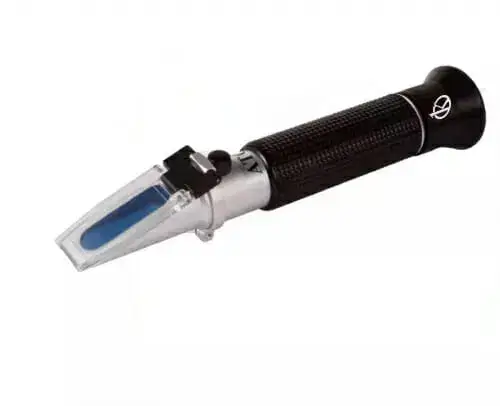
Salinity refractometers play a crucial role in various fields, including marine biology, environmental monitoring, and aquaculture. These devices measure the salinity of liquid solutions, providing essential data for researchers and professionals in the field. In 2026, their applications are more diverse than ever, ranging from testing salt concentrations in seawater to assessing brine salinity for food processing. The accuracy and reliability of salinity refractometers make them indispensable in quality control processes, ensuring that experimental conditions are maintained within specified parameters.
History and evolution of the technology
The history of refractometry dates back to the early 19th century when scientists began exploring the relationship between light refraction and material properties. Over the decades, the technology has evolved, integrating advancements in optics and digital measurement systems. Originally used in laboratories for simple refractive index measurements, salinity refractometers have been refined to provide more precise readings for salinity and specific gravity, with automatic temperature compensation (ATC) functionalities being a significant milestone in their development.
How to use it step by step
Using a salinity refractometer involves several straightforward steps:
- Calibration: Before use, calibrate the refractometer using distilled water or a standard solution to ensure accuracy.
- Sample Preparation: Collect the liquid sample ensuring it is free from bubbles which can affect the readings.
- Loading the Sample: Place a few drops of the sample solution onto the prism of the refractometer.
- Reading the Measurement: Close the cover, look through the eyepiece, and read the scale to determine salinity or specific gravity.
- Record Results: Document the readings for further analysis, ensuring to note any conditions that might affect the results.
Best techniques and protocols
To achieve optimal results when using salinity refractometers, adhere to these best practices and techniques:
- Always perform calibrations at the same temperature as your samples to eliminate discrepancies.
- Utilize distilled water for calibration as it provides a baseline measurement without impurities.
- Ensure the prism is clean before every use to avoid contamination of the samples.
- Use appropriate protective gear when handling samples, especially in laboratory environments.
- Regularly maintain and service the device to ensure it remains in optimal working condition.
Practical applications by laboratory type
Salinity refractometers have specific applications depending on the type of laboratory:
- Marine Research Laboratories: Used to monitor ocean salinity and its effects on marine ecosystems.
- Aquaculture Facilities: Essential for maintaining optimal salinity levels in aquaculture systems to ensure fish health.
- Food Processing Labs: Employed to test brine concentrations in food products for preservation and flavor.
- Environmental Testing Labs: Used to assess water body conditions for pollution studies.
Regulations, standards and certifications
In 2026, salinity refractometers must comply with various industry regulations and standards to ensure reliability and accuracy. Some of the key certifications to look for include:
- ISO 9001: Quality Management Systems
- ASTM Standards: American Society for Testing and Materials for laboratory equipment
- CE Marking: Indicates compliance with European health, safety, and environmental protection standards
Comparison with alternative technologies
Salinity refractometers are often compared to other technologies used for measuring salinity, such as:
- Conductivity Meters: These provide indirect measurements of salinity based on the electrical conductivity of the solution.
- Salinity Probes: These devices offer real-time salinity readings and are often used in continuous monitoring systems.
- Hydrometers: These floating devices measure the specific gravity of the liquid but are less precise than refractometers.
Comparison of available models
| Model | Best for | Key specs | Recommended use case |
|---|---|---|---|
| YR05887 | Marine laboratories for quality control | Salinity: 2-4% (20-40 ppt), Specific Gravity: 1.015-1.030 | Testing salinity levels in seawater |
| YR05888 | Aquaculture monitoring | Salinity: 0-4% (0-40 ppt), Specific Gravity: 1.000-1.030 | Controlling brine in aquaculture |
| YR05913 | Research laboratories | Salinity: 2-4% (20-40 ppt), Specific Gravity: 1.015-1.030 | Research on saline water impacts |
| YR05914 | Food processing | Salinity: 0-4% (0-40 ppt), Specific Gravity: 1.000-1.030 | Testing brine concentration in products |
Common mistakes and how to avoid them
Several common mistakes can affect the accuracy of salinity refractometers:
- Improper Calibration: Always ensure the device is calibrated properly before each use.
- Neglecting Temperature Effects: Remember that temperature can impact readings; utilize ATC models to mitigate this.
- Not Cleaning the Prism: Residue on the prism can skew results; clean after every use.
- Ignoring Manufacturer Guidelines: Always refer to the user manual for specific operating procedures and recommendations.
Maintenance, calibration and good practices 2026
To ensure the longevity and accuracy of salinity refractometers, follow these maintenance guidelines:
- Perform regular calibrations, ideally before each use.
- Clean the prism with a soft, lint-free cloth and distilled water after every measurement.
- Store the device in a protective case to avoid physical damage.
- Check the battery status and replace as needed for electronic models.
Cost-benefit analysis 2026
When considering the investment in salinity refractometers, evaluate the following factors:
- Initial Cost: Compare different models and their features to find the best fit for your laboratory needs.
- Maintenance Costs: Factor in the costs of cleaning supplies and calibration solutions.
- Operational Efficiency: Consider how precise salinity measurements can enhance research quality and outcomes.
- Investment in Training: Ensure staff are well-trained to use the equipment to maximize its benefits.
Frequently asked questions
What is the ideal way to calibrate a salinity refractometer?
The ideal way to calibrate a salinity refractometer is to use distilled water at the same temperature as the samples you will be measuring. Place a few drops of distilled water on the prism, close the cover, and adjust the calibration screw until the reading aligns with zero on the scale.
How often should I perform maintenance on my salinity refractometer?
Maintenance should be performed regularly, ideally after each use. This includes cleaning the prism and recalibrating the device before measurements to ensure accurate results.
Can I use a salinity refractometer for other liquids besides seawater?
Yes, salinity refractometers can be used for various liquids, including brine solutions and other water-based solutions with dissolved salts. Ensure you understand the specific gravity range and limitations for each model.
What are the signs that my salinity refractometer needs calibration?
Signs that your refractometer may need calibration include consistent discrepancies in readings, difficulty achieving zero during calibration, or if the device has been subjected to significant temperature changes.
Are there specific storage conditions for salinity refractometers?
Yes, salinity refractometers should be stored in a cool, dry place, away from direct sunlight and extreme temperatures. Use the protective case provided to prevent physical damage.
How can I improve the accuracy of my salinity readings?
To improve accuracy, ensure the device is calibrated correctly, keep the prism clean, and perform measurements at a consistent temperature. Use models with automatic temperature compensation when available.
Where can I request a quote for salinity refractometers?
You can request a quote for salinity refractometers by contacting our sales team or visiting our online catalog for detailed pricing information.
If you are looking for a fusion of innovation and quality, you have come to the right place. At Kalstein, we offer you the luxury of exploring our exclusive catalog of laboratory equipment. We manufacture every device to the highest standards of excellence. Our intuitive and seamless online purchasing channels are designed for your convenience, securing the most competitive prices. Hesitate no longer — we bring science to life, it is time to become part of our community.