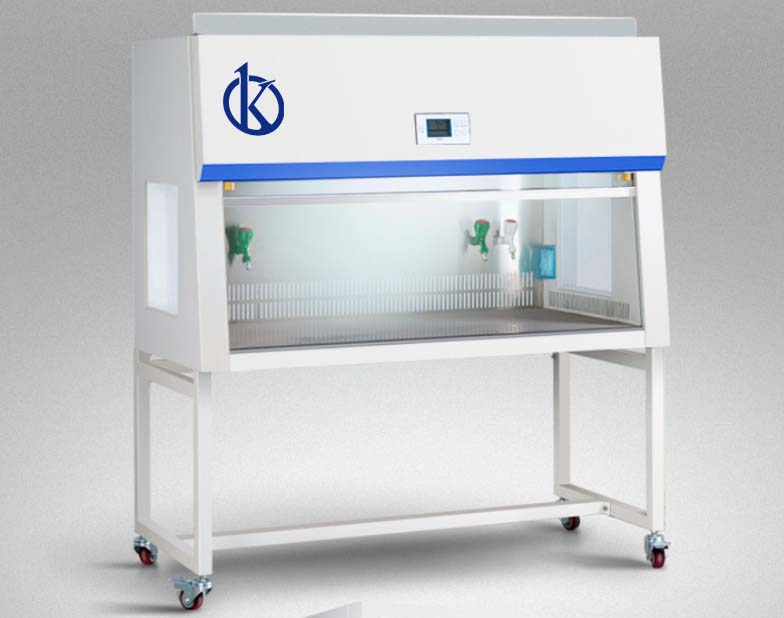
Maximizing ROI and Cost-Benefit Analysis for Vertical Laminar Flow Clean Benches
In today's fast-paced laboratory environments, understanding the return on investment (ROI) and conducting a cost-benefit analysis for equipment such as Vertical Laminar Flow Clean Benches is crucial. These clean benches provide a controlled environment that minimizes contamination risk during sensitive processes. In this article, we will explore various models, their specifications, and how to measure their financial implications for laboratories.
Understanding the Importance of ROI in Laboratory Equipment
Return on investment (ROI) is a key performance indicator in laboratory management. It helps facilities determine the financial viability of their investments. For Vertical Laminar Flow Clean Benches, calculating ROI involves evaluating initial costs versus the benefits gained through operational efficiency, reduced contamination rates, and enhanced productivity in laboratory workflows.
Cost-Benefit Analysis for Vertical Laminar Flow Clean Benches
A comprehensive cost-benefit analysis goes beyond simple ROI calculations. It encompasses all direct and indirect costs associated with purchasing, operating, and maintaining clean benches. Factors such as energy consumption, maintenance costs, and potential savings from reduced contamination should be included. This analysis allows laboratories to make informed decisions based on financial projections over time.
Comparison of Available Models
| Model | Initial Cost (USD) | Annual Maintenance Cost (USD) | Energy Consumption (kWh/year) | Best for |
|---|---|---|---|---|
| YR05267-1 | 1600.00 | 120.00 | 800 | Biotechnology and pharmaceuticals |
| YR05734 | 240.00 | 60.00 | 600 | Medical and health applications |
| YR05735 | 300.00 | 60.00 | 600 | Scientific experiments |
| YR05736 | 420.00 | 80.00 | 750 | General laboratory use |
| YR05737 | 650.00 | 100.00 | 800 | Advanced research and development |
| YR05738 | 590.00 | 90.00 | 750 | Medical treatments and surgeries |
Common Mistakes and How to Avoid Them
When assessing ROI and conducting cost-benefit analyses, laboratories often overlook key factors, such as hidden costs related to maintenance and energy consumption. Additionally, not accounting for the unique requirements of specific laboratory environments can lead to suboptimal equipment choices. It is essential to involve a multidisciplinary team that can provide insights into both operational and financial aspects.
Evaluating Energy Efficiency: A Key Component of ROI
Energy efficiency significantly influences operating costs and, consequently, the overall ROI of Vertical Laminar Flow Clean Benches. Models such as YR05736 are designed to optimize energy use while maintaining effective airflow and filtration, thus minimizing electricity costs over time. Evaluating energy consumption against output and effectiveness is vital when selecting equipment.
Payback Period and Financial Projections
The payback period for laboratory equipment represents the time required for an investment to generate enough returns to cover its cost. For example, a clean bench costing $1600.00 like YR05267-1, with annual savings from reduced contamination of approximately $500.00, would yield a payback period of just over three years. Financial projections should account for potential savings as well as depreciation rates on laboratory equipment.
Impact of Regulatory Compliance on ROI
Regulatory compliance can directly affect the financial performance of laboratory equipment. Vertical Laminar Flow Clean Benches must adhere to various standards, such as ISO 14644-1, which defines cleanliness standards in controlled environments. Ensuring compliance can prevent costly fines and redesigns, making it essential to factor in compliance requirements when assessing ROI.
Maintaining Equipment for Longevity and Cost Efficiency
Regular maintenance is crucial for sustaining the operational efficiency of Vertical Laminar Flow Clean Benches. Neglecting maintenance can lead to increased downtime and repair costs, diminishing the initial savings gained from efficient operations. Establishing a preventive maintenance schedule helps mitigate these risks and enhances the lifespan of the equipment.
Frequently Asked Questions
How can I calculate the ROI of a Vertical Laminar Flow Clean Bench in my lab?
To calculate the ROI of a Vertical Laminar Flow Clean Bench like the YR05736, consider initial investment, annual maintenance costs, and savings from reduced contamination risks. Comparing these costs to the benefits gained can provide a clear picture of ROI.
What are the long-term cost savings of using YR05267-1 in a biotech lab?
The YR05267-1 model offers a clean environment crucial for biotech applications. Over time, the cost savings from reduced contamination and higher output can lead to significant financial benefits, potentially exceeding initial costs.
Which Vertical Laminar Flow Clean Benches are most energy-efficient for labs?
Models like YR05736 provide superior energy efficiency, reducing annual energy costs significantly. Evaluating energy consumption is essential for determining long-term operational costs in lab settings.
What are common maintenance costs associated with Vertical Laminar Flow Clean Benches?
Maintenance costs can vary, but on average, models like YR05735 incur about $60.00 annually. This includes filter replacement and system checks, which are critical for maintaining performance.
How can compliance with ISO standards affect my clean bench’s ROI?
Compliance with ISO standards ensures operational integrity and can avoid potential fines, directly affecting ROI. Choosing models that meet these standards, like YR05738, can enhance long-term financial returns.
What factors should I consider for a cost-benefit analysis of clean benches?
Key factors include initial purchase price, energy consumption, maintenance costs, and potential contamination cost savings. Evaluating these aspects gives a comprehensive view of a clean bench's cost-effectiveness.
How does the design of YR05734 influence operational costs in labs?
The compact design of YR05734 allows for flexible placement, optimizing space usage and potentially reducing operational costs by maximizing available bench space.
What is the expected lifespan of Vertical Laminar Flow Clean Benches?
Typically, Vertical Laminar Flow Clean Benches like YR05737 can last over 10 years with proper maintenance. Regular service ensures functionality and maximizes ROI through longevity.
If you are looking for a fusion of innovation and quality, you have come to the right place. At Kalstein, we offer you the luxury of exploring our exclusive catalog of laboratory equipment. We manufacture every device to the highest standards of excellence. Our intuitive and seamless online purchasing channels are designed for your convenience, securing the most competitive prices. Hesitate no longer — we bring science to life, it is time to become part of our community.