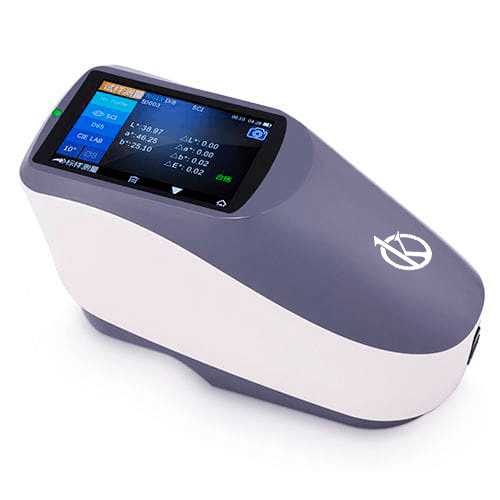
Portable Spectrophotometers: Best Techniques and Protocols for 2026
What is it used for in 2026
In 2026, portable spectrophotometers are pivotal in various laboratory settings. They are primarily used for color measurement, quality control, and material analysis across multiple industries including paint, textiles, and food. These instruments allow for quick and accurate readings of color parameters, making them essential for ensuring product consistency and quality.
History and evolution of the technology
The evolution of portable spectrophotometers has been remarkable. Initially, these devices were bulky and primarily confined to laboratory use. However, advancements in optics and electronics have led to the development of compact, portable models. In the past decade, the integration of Bluetooth and USB connectivity has further enhanced their usability, allowing real-time data transfer and analysis.
How to use it step by step
Using a portable spectrophotometer involves several key steps:
- Setup: Begin by ensuring the spectrophotometer is charged and calibrated according to the manufacturer's instructions.
- Sample Preparation: Prepare your samples according to your specific testing needs; ensure they are clean and free of contaminants.
- Measurement: Place the sample in the designated area of the spectrophotometer.
- Data Collection: Initiate the measurement process through the device's interface and wait for the readings to stabilize.
- Data Analysis: Review the results displayed on the screen or transferred to connected software for further analysis.
- Documentation: Save and document your findings for quality control and analysis purposes.
Best techniques and protocols
To ensure optimal usage of portable spectrophotometers, adhere to the following techniques:
- Regularly calibrate the device using standardized color reference materials.
- Maintain consistent lighting conditions during measurements to avoid discrepancies.
- Utilize appropriate sample containers to prevent interference from the container material.
- Implement a systematic approach to data logging and analysis to track performance over time.
Practical applications by laboratory type
Portable spectrophotometers find diverse applications across several laboratory types:
- Quality Control Labs: Used for assessing the color consistency of products.
- Textile Industry: Employed to ensure color matching in fabrics and dyes.
- Food Industry: Utilized for color measurement in food products to ensure quality standards.
Regulations, standards and certifications
Portable spectrophotometers must adhere to various industry standards including:
- CIE No.15 for color measurement.
- ISO 7724-1 for colorimetry.
- ASTM E1164 for color measurement in the textile and paint industries.
Comparison with alternative technologies
While portable spectrophotometers are widely used, alternative technologies include:
- Colorimeters: Generally less expensive but provide less accuracy in color measurement.
- Imaging Spectrometers: Offer detailed spectral analysis but are typically bulkier and more expensive.
- Reflectance Meters: Useful for specific applications but lack the versatility of spectrophotometers.
Comparison of available models
| Model | Best for | Key specs | Recommended use case |
|---|---|---|---|
| YR05503 | Measuring brightness and color coordinates in traffic signals | 20 mm aperture, $1892.00 | Traffic signs and reflective materials |
| YR05504 | Color analysis in lab environments | 8 mm and 4 mm apertures, $2230.00 | Quality control in paints and textiles |
| YR05505 | Color transfer applications | Customizable apertures, $1740.00 | Various industries including textiles |
| YR05500 | High precision UV measurements | 8 mm/4 mm apertures, $2695.00 | Laboratory UV analysis |
| YR05501 | Versatile UV color measurements | 8 mm/4 mm apertures, $1970.00 | Quality control in various industries |
| YR05502 | Comprehensive color analysis | 8 mm/4 mm apertures, $1820.00 | Compatible with many brands for color measurement |
Common mistakes and how to avoid them
Here are some common mistakes when using portable spectrophotometers and how to avoid them:
- Improper calibration: Regularly calibrate your device before use to ensure accuracy.
- Ignoring environmental factors: Conduct measurements in controlled lighting conditions to avoid interference.
- Neglecting maintenance: Follow maintenance protocols to prolong the lifespan of the device and ensure reliable results.
Maintenance, calibration and good practices 2026
To maintain your portable spectrophotometer effectively, follow these practices:
- Calibrate regularly using standard reference materials.
- Clean the optical components with appropriate solutions to prevent contamination.
- Store the device in a protective case to prevent physical damage.
Cost-benefit analysis 2026
When considering the purchase of a portable spectrophotometer, evaluate the initial cost against the potential benefits:
- Consider the savings in time and efficiency they bring to quality control processes.
- Evaluate how accurate color measurement can reduce waste and improve product consistency.
- Assess the return on investment by analyzing improvements in production quality over time.
Frequently asked questions
How do I choose the right portable spectrophotometer for my needs?
Consider the specific applications you will use it for, the required accuracy, and the standard apertures needed for your industry. Additionally, compare the price and features of different models to find the best fit.
What are the differences between the various models available?
Each model has unique specifications tailored for specific applications. For example, the YR05503 is ideal for traffic signs, while the YR05504 excels in laboratory color analysis. Review the models' key specs and use cases to determine the best option for your needs.
How often should I calibrate my portable spectrophotometer?
Calibration frequency depends on usage. For regular use, calibrating before each measurement session is recommended to maintain accuracy.
What should I do if my spectrophotometer gives inconsistent readings?
First, check if the device is properly calibrated. If issues persist, clean the optical components and ensure there are no obstructions or contaminants affecting the measurement.
Can I use a portable spectrophotometer in different environments?
Yes, however, variations in temperature and lighting conditions can affect readings. It's best to perform measurements in controlled environments for the most accurate results.
What are best practices for using a portable spectrophotometer?
Some best practices include regular calibration, using consistent sample preparation methods, and conducting measurements in similar environmental conditions to ensure reliable data.
If you are looking for a fusion of innovation and quality, you have come to the right place. At Kalstein, we offer you the luxury of exploring our exclusive catalog of laboratory equipment. We manufacture every device to the highest standards of excellence. Our intuitive and seamless online purchasing channels are designed for your convenience, securing the most competitive prices. Hesitate no longer — we bring science to life, it is time to become part of our community.