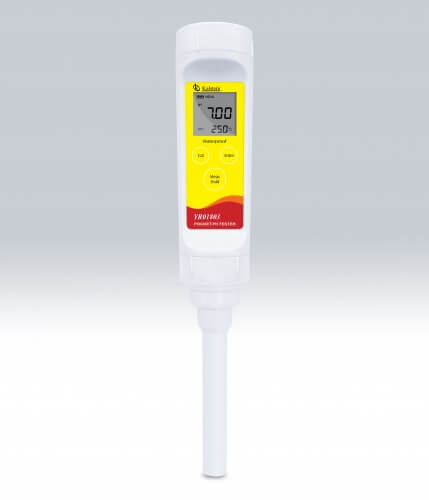
Portable pH Meters: A Practical Step-by-Step Guide for 2026
Portable pH meters have become indispensable tools in laboratories and various industrial settings, providing accurate pH measurements crucial for many applications. In this guide, we will delve into the uses, techniques, and best practices for utilizing portable pH meters effectively in 2026.
What is it used for in 2026
In 2026, portable pH meters are used in multiple sectors such as environmental monitoring, food and beverage testing, pharmaceuticals, and educational institutions. They allow for on-site measurements in real-time, facilitating immediate decisions based on pH levels. Their applications include:
- Environmental Testing: Measuring the pH of soil, water bodies, and air samples to monitor pollution levels.
- Food and Beverage Industry: Ensuring the pH levels are within acceptable ranges during food processing and quality control.
- Pharmaceuticals: Analyzing the pH of drug formulations to ensure efficacy and stability.
- Educational Purposes: Teaching students about acid-base chemistry and practical laboratory skills.
History and evolution of the technology
The evolution of portable pH meters began in the mid-20th century, transitioning from bulky laboratory equipment to compact, user-friendly devices. Initial models relied on glass electrodes and were limited in functionality. With advancements in technology, modern portable pH meters incorporate features such as automatic temperature compensation, multiple calibration points, and enhanced display systems, making them more accurate and efficient.
How to use it step by step
Using a portable pH meter involves several steps to ensure accurate readings:
- Preparation: Ensure the instrument is clean and calibrated according to the manufacturer's instructions.
- Calibrate the Meter: Use standard buffer solutions to calibrate the meter before measurement. This ensures accuracy.
- Measure the Sample: Immerse the electrode in the solution being tested, allowing sufficient time for the reading to stabilize.
- Record the Data: Note the pH value displayed on the meter. Ensure to follow proper documentation practices.
- Clean the Electrode: After measurements, rinse the electrode with distilled water to prevent contamination of future samples.
Best techniques and protocols
Utilizing the best techniques can enhance the effectiveness of portable pH meters:
- Use Fresh Calibration Buffers: Ensure to use fresh calibration solutions to avoid inaccuracies.
- Conduct Multiple Calibration Points: Calibrating at more than one point can improve measurement reliability.
- Allow for Temperature Equilibration: Ensure the sample and the electrode are at the same temperature before measuring.
- Minimize Electrode Exposure: Limit the time the electrode is exposed to air to maintain its sensitivity.
Practical applications by laboratory type
Different laboratories employ portable pH meters for specific applications:
- Environmental Labs: Measure the pH of natural water sources to assess ecological health.
- Food Testing Labs: Ensure products meet pH standards for safety and preservation.
- Chemical Labs: Monitor the pH of reactions to optimize process parameters.
Regulations, standards and certifications
In 2026, various regulations govern the use of pH meters across industries:
- ISO Standards: Adhering to ISO standards ensures that testing methodologies are reliable and consistent.
- FDA Regulations: The food industry follows FDA guidelines for pH levels to ensure consumer safety.
Comparison with alternative technologies
When comparing portable pH meters with alternative technologies, consider:
- Electrochemical Sensors: Compared to traditional pH strips, portable meters provide real-time, precise readings.
- Laboratory Bench Meters: While bench meters offer more features, portable meters provide flexibility and convenience.
Comparison of available models
| Model | Best for | Key specs | Recommended use case |
|---|---|---|---|
| YR01803 | High precision measurements in small samples | pH range: -1.00 to 15.00, Accuracy: ± 0.01 pH | Laboratory research requiring precise readings |
| YR01804 | Outdoor applications | pH range: -1.00 to 15.00, manual temperature compensation | Field studies in various environments |
| YR01800 | Compact portable use | pH range: -1.00 to 15.00, IP57 waterproof | General and educational uses |
| YR01800-1 | Compact portable use with advanced features | pH range: -1.00 to 15.00, ±0.05 accuracy | Educational laboratories and field tests |
| YR01802 | Measurements of semi-solids | pH range: -1.00 to 15.00, dual display | Food industry testing semi-solid samples |
| YR01802-1 | Measurements of semi-solids with improved accuracy | pH range: -1.00 to 15.00, ±0.01 accuracy | Laboratories requiring high precision in semi-solid analysis |
Common mistakes and how to avoid them
Avoiding common pitfalls can enhance the reliability of pH measurements:
- Neglecting Calibration: Always calibrate before use to ensure accuracy.
- Using Contaminated Electrodes: Regularly clean and maintain electrodes to prevent contamination.
- Ignoring Temperature Effects: Be mindful of temperature changes that can affect readings.
Maintenance, calibration and good practices 2026
To maintain optimal performance in 2026, follow these guidelines:
- Regular Calibration: Calibrate before each use, especially if measurements will vary significantly.
- Storage: Store the electrodes as per the manufacturer's recommendation to prolong their lifespan.
- Routine Cleaning: Clean the electrode after use to prevent buildup of residues.
Cost-benefit analysis 2026
The investment in portable pH meters is justified by the benefits they provide:
- Cost-Effectiveness: Competitive prices compared to laboratory bench meters.
- Time Efficiency: Quick measurements minimize downtime in laboratory workflows.
- Versatility: Suitable for various applications across different laboratory settings.
Frequently asked questions
How do I choose the right portable pH meter for my lab?
Consider your specific application needs, such as measurement range, accuracy, and whether you need features like automatic temperature compensation. Review the models available and their specifications to find the best fit.
What should I do if the pH meter gives inconsistent readings?
Inconsistent readings may indicate the need for calibration. Make sure to calibrate using fresh buffer solutions. Also, check the electrode for cleanliness and damage.
How often should I calibrate my pH meter?
Calibration should be done before each use or whenever you notice inconsistencies in measurement. Regular calibration ensures accuracy and reliability.
Can I use a portable pH meter for both solids and liquids?
Some portable pH meters are designed specifically for liquids. If you need to test semi-solids, choose models with appropriate electrodes designed for those applications.
What is the importance of temperature compensation in pH measurements?
Temperature can significantly affect pH readings. Automatic temperature compensation ensures accurate measurements regardless of the sample's temperature.
How should I store my portable pH meter?
Store your pH meter in a protective case and ensure the electrode is kept moist, following the manufacturer's instructions for storage solutions.
Where can I request a quote for portable pH meters?
You can easily request a quote for portable pH meters through various suppliers. Make sure to compare prices and features to determine the best deal for your needs.
If you are looking for a fusion of innovation and quality, you have come to the right place. At Kalstein, we offer you the luxury of exploring our exclusive catalog of laboratory equipment. We manufacture every device to the highest standards of excellence. Our intuitive and seamless online purchasing channels are designed for your convenience, securing the most competitive prices. Hesitate no longer — we bring science to life, it is time to become part of our community.