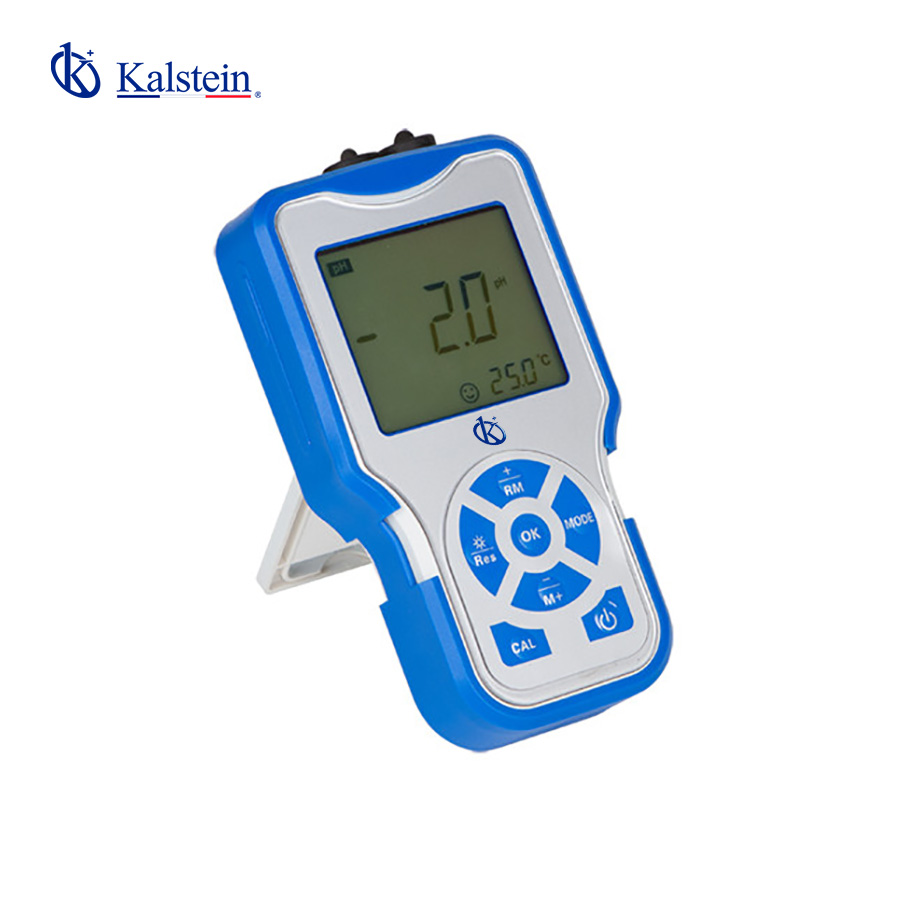
Portable Ion Meters: ISO/IEC Norms and Regulatory Compliance in Laboratories 2026
In the evolving landscape of laboratory technology, portable ion meters have become indispensable tools for ensuring compliance with ISO/IEC standards. These instruments not only deliver accurate measurements but also assist laboratories in adhering to regulatory requirements. This article delves into how various portable ion meter models align with ISO/IEC norms, enhancing laboratory practices and ensuring reliable results.
Understanding ISO/IEC Standards in Laboratory Context
The International Organization for Standardization (ISO) and the International Electrotechnical Commission (IEC) establish globally recognized standards that ensure quality, safety, and efficiency in laboratory operations. Standards like ISO 17025 for testing and calibration laboratories and IEC 61010 for safety requirements provide frameworks that laboratories must follow to achieve compliance.
Portable ion meters, like the YR01816 and YR01817-1, play a crucial role in meeting these standards by delivering consistent performance and traceability in ion concentration measurements. The ability to calibrate these meters across multiple points enhances their credibility and reliability in various applications.
Calibrating Portable Ion Meters to Meet ISO Standards
Calibrating portable ion meters is vital for compliance with ISO standards. For instance, the YR01816 model supports calibration from 2 to 5 points, making it adaptable for different testing scenarios. Each calibration point is essential for ensuring measurement accuracy and reliability, aligning with ISO requirements for traceability.
To illustrate effective calibration practices, consider the following calibration schedule:
| Model | Calibration Points | Calibration Range | Accuracy |
|---|---|---|---|
| YR01816 | 2 to 5 | -2.000 to 20.000 pH | ± 0.002 pH |
| YR01817-1 | 2 to 5 | 5 × 10⁻⁶ to 1 M | ± 0.5% F.S. |
Documenting Compliance for ISO 17025
ISO 17025 requires detailed documentation of calibration processes and measurement results. Laboratories must maintain records of calibration certificates, measurement uncertainty, and equipment performance. Portable ion meters facilitate this documentation by providing direct readings and data logging capabilities.
The YR01817-1 model features automatic electrode diagnosis, which ensures that calibration points are consistently monitored, providing laboratories with robust data for compliance documentation.
Traceability Requirements in Portable Ion Meters
Traceability is a critical aspect of compliance with ISO standards. Laboratories must ensure that their measurements can be traced back to national or international standards. Portable ion meters like the YR01816 offer features that enhance traceability, such as selectable ion concentration units and automatic temperature compensation.
Assessing Calibration Intervals for Compliance
Calibration intervals play a significant role in regulatory compliance. According to ISO guidelines, laboratories must determine appropriate calibration frequencies based on usage and environmental conditions. Regular checks using portable ion meters can help maintain compliance with ISO standards.
Here’s a recommended calibration interval matrix:
| Model | Usage Frequency | Calibration Interval |
|---|---|---|
| YR01816 | Daily | Every month |
| YR01817-1 | Weekly | Every two months |
Comparison of Available Models
| Model | ISO/IEC Clauses Covered | Traceability Features | Best For |
|---|---|---|---|
| YR01816 | ISO 17025 | 2-5 Point Calibration | General Lab Use |
| YR01817-1 | ISO 17025, IEC 61010 | Automatic Diagnosis | Field Applications |
| YR01817-10 | ISO 17025 | Multiple Concentration Units | Environmental Testing |
| YR01817-11 | ISO 17025 | Low to High Concentration Calibration | Research Purposes |
| YR01817-12 | ISO 17025 | Temperature Compensation | Outdoor Testing |
| YR01817-13 | ISO 17025 | High Precision | Advanced Research |
Common Mistakes and How to Avoid Them
Laboratories often encounter challenges when integrating portable ion meters into their regulatory compliance frameworks. Some common mistakes include inadequate calibration, poor documentation, and neglecting maintenance schedules. To avoid these pitfalls, ensure that all personnel are trained in the proper calibration techniques and maintain thorough documentation of all processes.
Frequently Asked Questions
How do portable ion meters meet ISO 17025 standards in 2026?
Portable ion meters such as the YR01816 and YR01817-1 are designed with features that align with ISO 17025 standards, including multiple calibration points and traceability capabilities, ensuring accurate ion concentration measurements.
What calibration intervals should be followed for ISO compliance with portable ion meters?
Portable ion meters like the YR01817-1 should ideally be calibrated every two months for regular use, aligning with ISO compliance requirements to maintain measurement accuracy.
Which portable ion meter is best for outdoor applications in labs?
The YR01817-12 model is specifically designed for outdoor applications, featuring automatic temperature compensation and a robust design, making it suitable for field testing in compliance with ISO standards.
How can I ensure accurate documentation for portable ion meter usage?
Maintaining thorough records of calibration, measurement results, and maintenance schedules is crucial for compliance. Models like the YR01816 provide data logging capabilities to aid in this process.
What are the traceability features of portable ion meters in laboratories?
Models like the YR01816 offer selectable concentration units and automatic calibration point monitoring, enhancing traceability for compliance with ISO standards.
What is the significance of temperature compensation in portable ion meters?
Temperature compensation, available in models like the YR01817-12, is critical for accuracy since temperature variations can affect ion concentration readings, ensuring compliance with ISO norms.
Which portable ion meter offers the highest precision for research purposes?
The YR01817-13 is designed for advanced research applications, offering high precision and multiple calibration options, making it ideal for laboratories focused on rigorous compliance.
How do I choose the right portable ion meter for my lab's needs?
Consider factors like the type of applications, required precision, and compliance needs. The YR01816 is suited for general lab use, while the YR01817-1 is ideal for field applications.
To optimize your laboratory’s operations and ensure regulatory compliance, request a quote on Kalstein Plus for our range of portable ion meters. If you are looking for a fusion of innovation and quality, you have come to the right place. At Kalstein, we offer you the luxury of exploring our exclusive catalog of laboratory equipment. We manufacture every device to the highest standards of excellence. Our intuitive and seamless online purchasing channels are designed for your convenience, securing the most competitive prices. Hesitate no longer — we bring science to life, it is time to become part of our community.