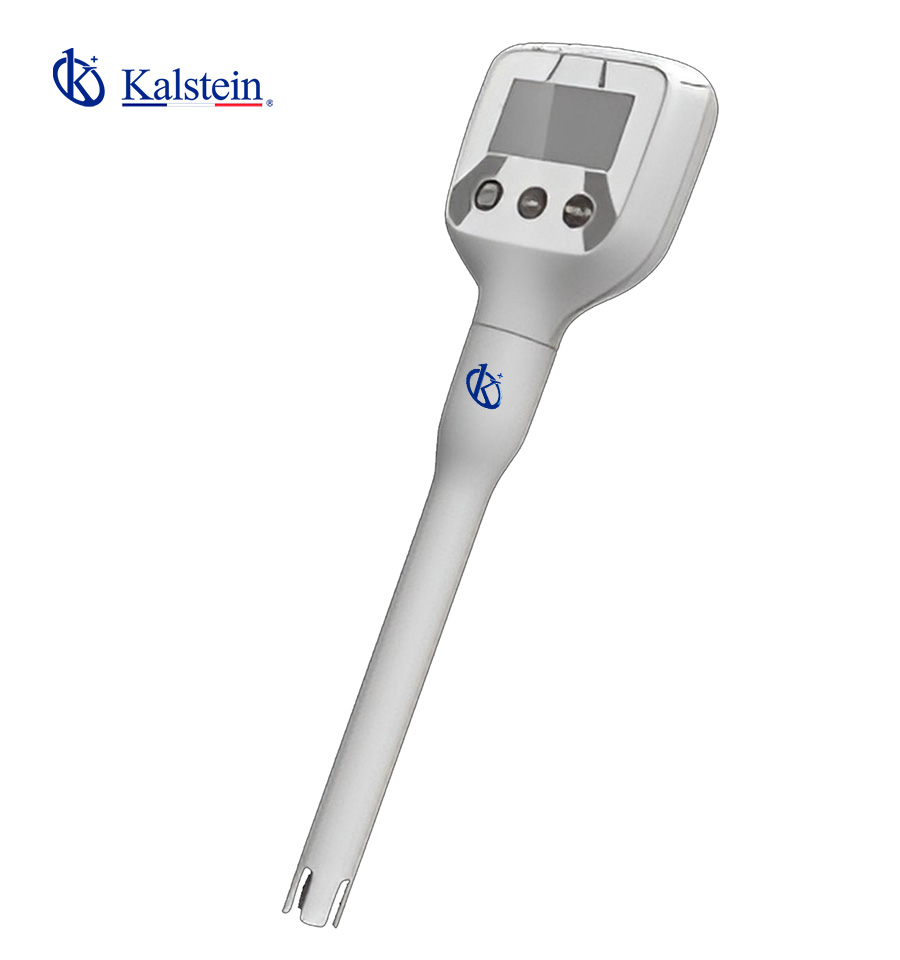
Portable Conductivity Meters: ROI and Cost-Benefit Analysis for the Lab 2026
In the landscape of laboratory equipment, portable conductivity meters play an essential role in various analytical applications. As laboratories strive for efficiency and cost-effectiveness, understanding the return on investment (ROI) and cost-benefit analysis of these devices becomes critical. This article delves into the key factors influencing ROI and cost-benefit for portable conductivity meters, drawing comparisons among various models, addressing common pitfalls, and answering frequently asked questions. Our focus will be on the practicality of integrating these meters into laboratory workflows while maximizing their performance and minimizing costs by 2026.
Framing Portable Conductivity Meters through ROI and Cost-Benefit Analysis
Portable conductivity meters are invaluable tools for measuring the electrical conductivity of solutions, which is important in numerous applications such as water quality testing, agriculture, and industrial processes. In evaluating the ROI and cost-benefit for these devices, several aspects merit attention: initial investment, operational costs, maintenance, and returns in terms of analytics accuracy and operational efficiency. For laboratories investing in such technology, a thorough appraisal can reveal insights into how these meters can optimize processes and improve financial performance.
Comparison of Available Models
| Model | Price (USD) | Best For | Calibration Points | Measurement Range |
|---|---|---|---|---|
| YR01805 | 24.00 | Field use, basic conductivity testing | 1 Point | 0~10 mS/cm |
| YR01806 | 149.00 | Advanced testing, multi-parameter analysis | 1 to 3 Points | (0.00~19.99)μS/cm to (20.0~199.9)mS/cm |
| YR01808 | 59.00 | General laboratory use, reliability | 1 to 3 Points | 0 to 20.00 mS/cm |
| YR01809 | 62.00 | Multi-parameter testing, portability | 1 to 3 Points | 0 to 20.00 mS/cm |
| YR01810 | 65.00 | Salinity and TDS measurement | 1 to 3 Points | 0 to 20.00 mS/cm |
| YR01811 | 50.00 | Low-concentration testing | 1 Point | 0.5 to 100.0 ppm |
Understanding the Cost-Benefit Analysis
Conducting a cost-benefit analysis for portable conductivity meters involves evaluating direct costs such as acquisition, maintenance, and operational expenses against the benefits achieved, such as improved data accuracy and reduced retesting frequency. For instance, a meter like the YR01806, priced at $149, offers multi-parameter functionality and automatic calibration, which can significantly reduce labor costs and time in settings requiring versatile testing.
Key Factors Influencing ROI
Several factors play crucial roles in determining the ROI of portable conductivity meters. These include: initial costs, operational costs, calibration frequency, and the accuracy of results. Meters such as the YR01805, with a lower price point of $24, may appeal to budget-conscious labs but might incur higher long-term operational costs if used for advanced testing. In contrast, investing in models like the YR01806 or YR01810 provides more versatility and accuracy, potentially yielding higher returns.
Quantitative Breakdown of ROI
| Model | Initial Cost (USD) | Annual Operating Cost (USD) | Expected ROI (Years) |
|---|---|---|---|
| YR01805 | 24.00 | 20.00 | 1.5 |
| YR01806 | 149.00 | 15.00 | 3 |
| YR01808 | 59.00 | 25.00 | 1.2 |
| YR01809 | 62.00 | 20.00 | 1.8 |
| YR01810 | 65.00 | 18.00 | 2.5 |
| YR01811 | 50.00 | 22.00 | 1.6 |
Common Mistakes and How to Avoid Them
In labs, common pitfalls in utilizing portable conductivity meters often stem from inadequate training, improper calibration, and overlooking maintenance schedules. Many users may neglect the importance of following calibration guidelines, especially for models such as YR01806, which supports multiple calibration points yet can only be maximized if correctly implemented. Regular training sessions and strict adherence to calibration protocols can help mitigate these issues.
Frequently Asked Questions
What is the average ROI for portable conductivity meters in laboratory settings in 2026?
The average ROI for portable conductivity meters like the YR01806 can vary based on use, but with an initial cost of $149 and an annual operating cost of $15, labs may expect a payback period of about three years, demonstrating solid financial returns.
How do I calculate the cost per test for portable conductivity meters?
To calculate the cost per test for models such as YR01810, divide the annual operating cost by the number of tests conducted annually. For instance, if operating costs are $18 and tests conducted are 500, the cost per test would be $0.036.
What calibration frequency should I follow for portable conductivity meters in 2026?
For portable conductivity meters like the YR01809, calibration should ideally be performed before each use or at least once a week, depending on usage frequency and environmental factors to maintain accuracy and reliability.
Which portable conductivity meter is best for high-precision measurements?
The YR01806 is particularly suited for high-precision measurements, supporting up to three-point calibration and covering a wide range of conductivity values, making it ideal for laboratories demanding precise results.
How much should I spend on a portable conductivity meter for optimal ROI?
Investing in a portable conductivity meter like the YR01810, which costs around $65 and offers robust features, can provide a good balance between initial investment and long-term savings, optimizing ROI.
What common mistakes should I avoid when using portable conductivity meters?
Common mistakes include ignoring the manufacturer's calibration protocol and neglecting regular maintenance. Ensuring that meters like YR01808 are calibrated and maintained appropriately will enhance measurement accuracy and lifespan.
How can I enhance the lifespan of my portable conductivity meter?
Enhancing the lifespan of portable conductivity meters like YR01805 involves proper storage, regular calibration, and adhering to maintenance schedules, which can help prevent damage and ensure reliable performance.
What is the best portable conductivity meter for field use?
The YR01805 is an excellent choice for field use due to its compact design, low cost of $24, and essential functionality, making it ideal for basic conductivity testing in various environments.
If you are looking for a fusion of innovation and quality, you have come to the right place. At Kalstein, we offer you the luxury of exploring our exclusive catalog of laboratory equipment. We manufacture every device to the highest standards of excellence. Our intuitive and seamless online purchasing channels are designed for your convenience, securing the most competitive prices. Hesitate no longer — we bring science to life, it is time to become part of our community.