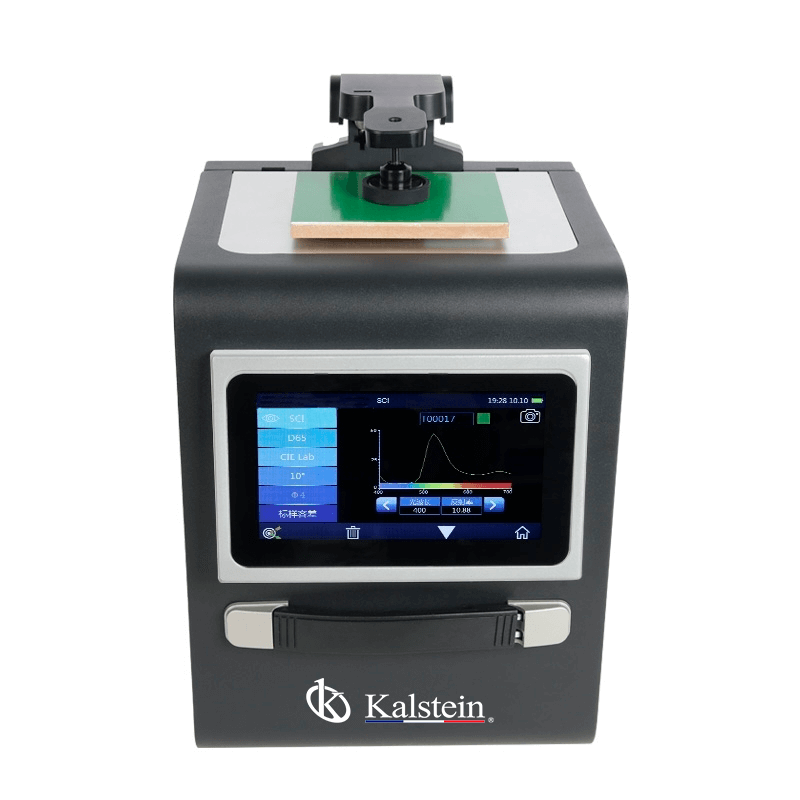
Portable Benchtop Spectrophotometers: Techniques and Best Practices 2026
What is it used for in 2026
In the year 2026, Portable Benchtop Spectrophotometers are critical tools in laboratories for accurate color measurement and quality control across various industries. These instruments measure the intensity of light at different wavelengths, allowing for precise color analysis in applications like textile dyeing, paint formulation, plastic manufacturing, and more. Their portability and advanced sensors make them ideal for both in-lab and field testing, enhancing operational flexibility.
History and evolution of the technology
The evolution of spectrophotometry dates back to the early 19th century, with significant advancements over the decades. Initially, spectrophotometers were bulky and restricted to laboratory settings. However, the advent of miniaturized optics, improved sensor technologies, and digital interfaces in the late 20th century led to the development of portable models. By 2026, manufacturers have enhanced them with features like advanced algorithms for data analysis, wireless connectivity, and user-friendly interfaces, making them indispensable tools in modern laboratories.
How to use it step by step
Using a Portable Benchtop Spectrophotometer involves several key steps:
- Calibration: Before use, calibrate the spectrophotometer according to the manufacturer's instructions using standard reference materials.
- Sample Preparation: Prepare the sample, ensuring it is clean and representative of the material being tested.
- Choosing the Right Settings: Select the appropriate measurement mode (e.g., D/8 or 45/0) based on your analysis requirements.
- Measurement: Place the sample in the designated area, start the measurement process, and record the data.
- Data Analysis: Analyze the results using the built-in software or export the data for further analysis.
- Documentation: Document the findings and ensure all results align with quality control protocols.
Best techniques and protocols
In 2026, the best practices for using Portable Benchtop Spectrophotometers include:
- Regular calibration and maintenance to ensure accuracy.
- Utilizing consistent lighting conditions for measurements.
- Training staff on the proper use and handling of the equipment.
- Implementing a systematic approach to data recording and analysis.
- Adhering to industry standards for sample preparation and testing procedures.
Practical applications by laboratory type
Different laboratories utilize Portable Benchtop Spectrophotometers for various applications:
- Textile Industry: For color matching and dye quality control.
- Paint and Coating: To ensure consistency in color and finish.
- Plastics: In the production of colored plastics, ensuring accurate color replication.
- Ceramics: For color accuracy in glazing processes.
Regulations, standards and certifications
Portable Benchtop Spectrophotometers must comply with various industry regulations and standards to ensure quality and safety. In 2026, compliance with standards such as CIE No.15, GB/T 3978, and ASTM E1164 is crucial for laboratories to maintain credibility and product reliability.
Comparison with alternative technologies
While traditional spectrophotometers are still in use, Portable Benchtop Spectrophotometers offer distinct advantages such as portability, ease of use, and rapid measurement capabilities. Compared to colorimeters, spectrophotometers provide a wider range of data and are more suitable for complex color analyses.
Comparison of available models
| Model | Best for | Key specs | Recommended use case |
|---|---|---|---|
| YR05484 | Color measurement in textiles and paints | Price: $4730.00, Geometry: 45/0 | Used for precise color analysis in quality control |
| YR05485 | Large sample analysis | Price: $4950.00, Geometry: D/8 | Ideal for measuring larger samples in a laboratory setting |
| YR05486 | Versatile laboratory applications | Price: $4640.00, Geometry: D/8 | Suitable for both horizontal and vertical measurements |
| YR05487 | Quality control in production | Price: $4018.00, Geometry: D/8 | Best for controlling color consistency in manufacturing processes |
Common mistakes and how to avoid them
Some common mistakes when using Portable Benchtop Spectrophotometers include:
- Inadequate calibration: Always calibrate before use to ensure data accuracy.
- Ignoring sample preparation: Properly prepare and clean samples to avoid contamination.
- Overlooking manufacturer guidelines: Follow all provided instructions for best results.
Maintenance, calibration and good practices 2026
To maintain effective operation, regularly perform the following:
- Calibrate the device at scheduled intervals using standard solutions.
- Keep the optical components clean and free from dust.
- Regularly update any software to the latest version to enhance functionality.
Cost-benefit analysis 2026
Investing in Portable Benchtop Spectrophotometers yields significant benefits, including:
- Enhanced productivity through faster measurements.
- Improved accuracy leading to better quality control.
- Reduced costs associated with material wastage and reprocessing.
Frequently asked questions
What factors should I consider when choosing a Portable Benchtop Spectrophotometer?
Consider the measurement geometry, sample sizes, required accuracy, and specific applications in your laboratory when selecting a device.
How often should I calibrate my spectrophotometer?
Calibration should be performed at the beginning of each day of use, or whenever the device has been moved or cleaned significantly.
Can I use any color sample with a spectrophotometer?
While most color samples can be measured, ensure they are not too opaque, reflective, or irregularly shaped, as this could affect measurement accuracy.
What is the difference between D/8 and 45/0 measurement geometries?
D/8 provides a diffuse illumination with an 8-degree viewing angle, ideal for textured surfaces, while 45/0 is best for glossy surfaces.
Are these spectrophotometers easy to transport?
Yes, they are designed for portability, allowing easy transportation between different locations within a laboratory or field.
How do I ensure I am using the spectrophotometer correctly?
Follow the manufacturer's guidelines for operation, pay attention to sample preparation, calibration, and regularly train staff on best practices.
If you are looking for a fusion of innovation and quality, you have come to the right place. At Kalstein, we offer you the luxury of exploring our exclusive catalog of laboratory equipment. We manufacture every device to the highest standards of excellence. Our intuitive and seamless online purchasing channels are designed for your convenience, securing the most competitive prices. Hesitate no longer — we bring science to life, it is time to become part of our community.