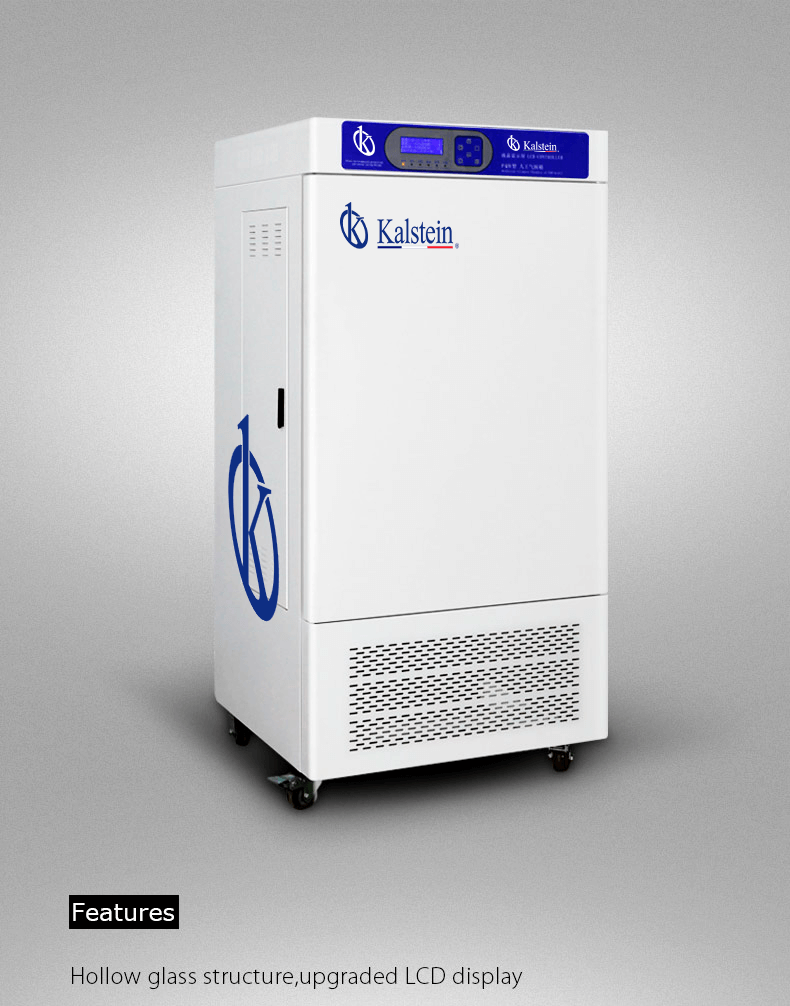
Plant Growth Chambers: ROI and Cost-Benefit Analysis for the Laboratory 2026
As laboratories strive for efficiency and productivity, understanding the return on investment (ROI) of equipment like plant growth chambers becomes vital. This article delves into the financial implications of adopting various models within the subcategory of plant growth chambers, providing laboratory professionals with an in-depth cost-benefit analysis to inform their purchasing decisions.
Understanding Plant Growth Chambers through ROI
Plant growth chambers are essential for research in various fields such as biology, agriculture, and medicine. The investment in these chambers must be justified through a strong ROI, which considers both initial costs and ongoing operational expenses. The models covered in this analysis include the YR05331, YR05332, and YR05333, each providing distinct features beneficial for various laboratory applications.
Comparison of Available Models
| Model | CAPEX (USD) | Cost per Test (USD) | Payback Period (Months) | Recommended Scenario |
|---|---|---|---|---|
| YR05331 | 1015.00 | 2.00 | 12 | Seed Germination Testing |
| YR05332 | 1270.00 | 2.50 | 14 | Microbial Culturing |
| YR05333 | 1700.00 | 3.00 | 16 | Insect Breeding |
Detailed ROI Analysis for Each Model
The analysis of each model reveals key financial insights:
YR05331: Lighting (Ray Radiation) Incubator
With a CAPEX of $1015.00, the YR05331 model is ideal for seed germination testing. Given an estimated cost per test of $2.00, the payback period is around 12 months, making it a cost-effective choice for facilities focused on plant biology research.
YR05332: Lighting (Ray Radiation) Incubator
At $1270.00, the YR05332 model caters to microbial culturing needs. Its cost per test of $2.50 results in a payback period of about 14 months, presenting a reasonable investment for labs with a focus on microbial studies.
YR05333: Lighting (Ray Radiation) Incubator
With the highest investment of $1700.00, the YR05333 model is suited for insect breeding. With a cost per test of $3.00, this model requires a payback period of 16 months, appealing to specialized laboratories requiring enhanced features for breeding studies.
Common Mistakes and How to Avoid Them
Laboratories often fall into the trap of underestimating operational costs. It's essential to conduct a thorough analysis of both CAPEX and OPEX when selecting a plant growth chamber. Additionally, not considering future scalability and specific application needs can lead to purchasing decisions that do not yield expected ROI. Always evaluate models based on long-term operational efficiency and adaptability to evolving research needs.
Frequently Asked Questions
What is the average ROI for plant growth chambers like YR05331 in 2026?
The average ROI for the YR05331 model, priced at $1015.00, generally yields a payback period of 12 months, making it a strong contender for laboratories focusing on economical seed germination testing.
How do the features of YR05332 impact its ROI in laboratory settings?
The YR05332 model, with a CAPEX of $1270.00, offers adjustable lighting and temperature settings that can optimize microbial culturing, potentially improving ROI through enhanced efficiency and reduced costs per test.
Which plant growth chamber is best suited for insect breeding in 2026?
The YR05333 model is specifically designed for insect breeding, priced at $1700.00, and while it has a higher cost per test, its specialized features justify the investment for dedicated research facilities.
What are the common operational costs associated with using plant growth chambers?
Operational costs include energy consumption, maintenance, and consumables, which can vary significantly by model. For instance, the YR05333 model may incur higher energy costs due to increased lighting needs, impacting ROI calculations.
How can I assess the cost-effectiveness of a plant growth chamber over five years?
By calculating total operational expenses against the expected output and savings over five years, laboratories can determine the cost-effectiveness of models like YR05331, which offers lower initial and operational costs.
What factors contribute to the longevity of plant growth chambers in a lab environment?
Key factors include regular maintenance schedules, quality of initial construction, and adaptability to evolving laboratory needs. Investing in durable models like YR05331 can enhance longevity and overall ROI.
Which features should I prioritize when selecting a plant growth chamber for my research?
Prioritizing adjustable lighting, temperature uniformity, and ease of use can significantly impact research outcomes. Models like YR05332 provide essential features that enhance operational efficiency and ROI.
How does the cost of electricity affect the ROI of plant growth chambers?
Electricity costs directly influence the operational expenses of plant growth chambers. Selecting energy-efficient models like the YR05331 can help reduce ongoing costs and improve overall ROI in laboratory settings.
If you are looking for a fusion of innovation and quality, you have come to the right place. At Kalstein, we offer you the luxury of exploring our exclusive catalog of laboratory equipment. We manufacture every device to the highest standards of excellence. Our intuitive and seamless online purchasing channels are designed for your convenience, securing the most competitive prices. Hesitate no longer — we bring science to life, it is time to become part of our community.