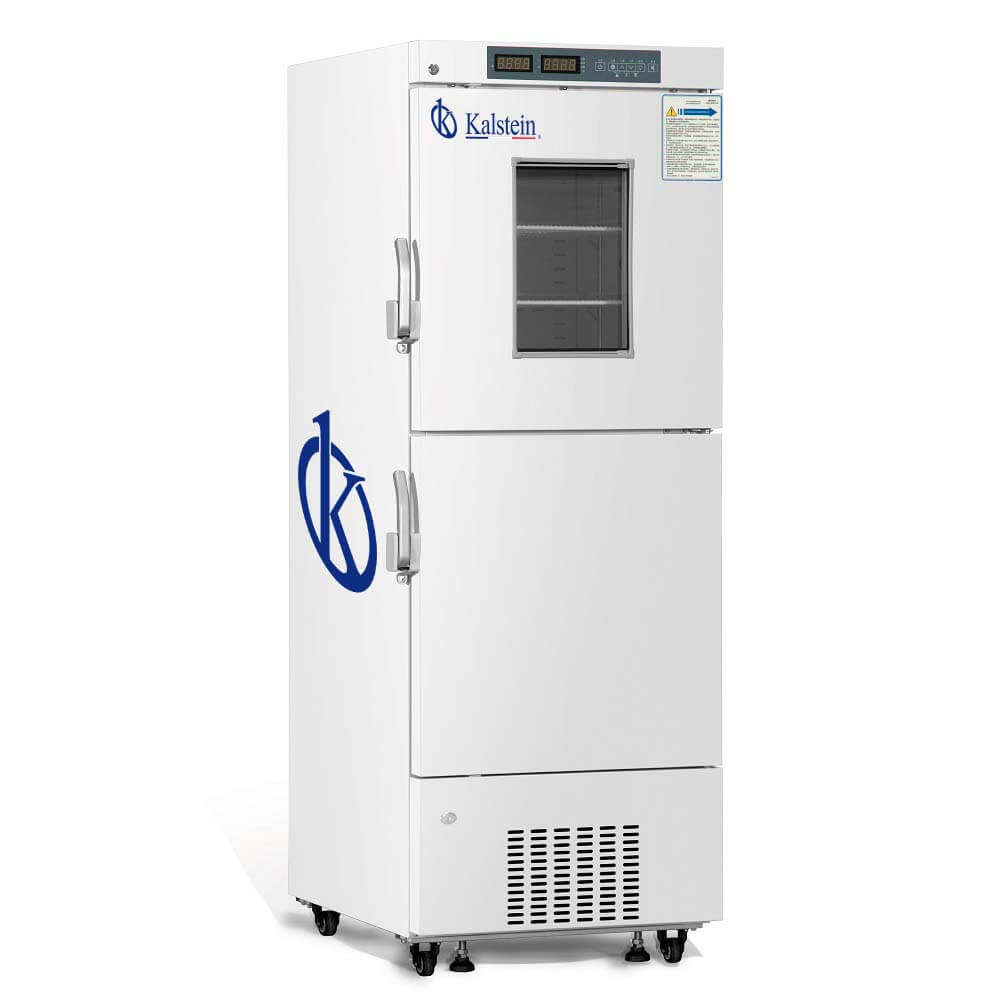
How Predictive Maintenance and Recommended Calibration Enhance Combined Freezers
In today's laboratory environments, ensuring the optimal performance of combined freezers is crucial for the preservation of sensitive materials such as vaccines and biological samples. Predictive maintenance and recommended calibration are two key factors that significantly enhance the reliability and efficiency of these essential devices. This article delves into the various aspects of predictive maintenance and calibration practices in relation to combined freezers, particularly focusing on their importance in laboratory settings.
Understanding Combined Freezers
Combined freezers serve a dual purpose, providing both refrigeration and freezing capabilities. They are typically utilized in medical settings, laboratories, and research institutions to store biological materials under specified conditions. The ability to maintain stable temperatures is critical for the integrity of samples, making the maintenance routines paramount.
Importance of Predictive Maintenance
Predictive maintenance involves anticipating equipment failures before they occur, primarily through regular monitoring and data analysis. By using predictive maintenance, laboratories can extend the lifespan of combined freezers, reduce unexpected downtimes, and avoid costly repairs. The technique analyzes performance trends and environmental data to forecast potential issues.
Calibration: The Key to Accuracy
Regular calibration of combined freezers ensures that temperature control systems remain accurate and reliable. Calibration should be performed at defined intervals, and any discrepancies found should be immediately addressed. This practice guarantees that the freezer operates within the required temperature range, fulfilling regulatory compliance and maintaining sample integrity.
Calibration Intervals and Standards
Calibration intervals may vary based on laboratory requirements, but a common recommendation is to calibrate combined freezers every 6 to 12 months. Utilizing traceable standards during the calibration process is essential for ensuring accuracy and compliance with industry regulations such as ISO 17025. By adhering to these standards, laboratories can maintain high-quality results and ensure equipment reliability.
Common Calibration Techniques
Several techniques can be employed for the calibration of combined freezers. These include the use of calibrated thermometers, data loggers for temperature mapping, and thermocouples for real-time monitoring. Each method has its strengths and is best suited for specific scenarios, depending on the laboratory's requirements and the complexity of the equipment.
Comparison of Available Models
| Model | Cooling Method | Temperature Range | Best for |
|---|---|---|---|
| YR05320 | Direct Cooling | F:-20℃~-40℃ R:2℃~8℃ | Pharmaceutical storage and plasma |
| YR05321 | Direct Cooling | F:-10℃~-25℃ R:2℃~8℃ | Blood stations and laboratories |
| YR05321-1 | Direct Cooling | F:-10℃~-25℃ R:2℃~8℃ | Research and medical facilities |
Common Mistakes and How to Avoid Them
Laboratory professionals often make errors in maintenance and calibration routines that can affect the performance of combined freezers. One of the most common mistakes is neglecting to adhere to calibration intervals, leading to inaccurate temperature settings. To avoid this, laboratories should implement a strict schedule for maintenance and calibration checks. Additionally, not utilizing traceable calibration standards can lead to compliance issues, so it is vital to source proper metrics for calibration.
Frequently Asked Questions
How often should a combined freezer be calibrated for optimal performance?
A combined freezer should ideally be calibrated every 6 to 12 months to ensure accurate temperature control. For instance, the YR05320 model is effective when regularly calibrated to maintain the required -20℃ to -40℃ range for plasma storage.
What are the benefits of predictive maintenance in laboratory freezers?
Predictive maintenance helps identify potential issues before they lead to equipment failure, thus enhancing the reliability of combined freezers. For example, implementing predictive maintenance with the YR05321 model can reduce operational downtime significantly.
What temperature ranges should a combined freezer maintain for biobanking?
A combined freezer should typically maintain a temperature range of -20℃ to -40℃ for optimal biobanking conditions. The YR05321-1 model is designed to meet these requirements effectively.
How can I ensure compliance during calibration of my freezer?
To ensure compliance during calibration, use traceable standards and document all calibration results. This methodology is crucial for models like the YR05321, which are often used in blood stations.
What is the significance of using a dual cooling system in freezers?
A dual cooling system, as featured in the YR05321 model, allows for independent temperature control in different compartments, ensuring that various materials are stored under optimal conditions. This is essential for maintaining sample integrity.
How does temperature mapping contribute to calibration accuracy?
Temperature mapping provides a detailed analysis of temperature variations within the freezer, aiding in accurate calibration. This process is particularly beneficial for combined freezers like the YR05320, ensuring compliance with standards such as ISO 17025.
What are the consequences of neglecting calibration in laboratory freezers?
Neglecting calibration can lead to inaccurate temperature control, compromising the integrity of sensitive materials stored in freezers. Regular calibration of models like the YR05321-1 is necessary to avoid such risks.
Why is documentation important in maintenance routines?
Documentation is crucial for tracking calibration and maintenance activities, ensuring compliance with industry standards. For freezers like the YR05320, maintaining thorough records can prevent potential compliance issues.
If you are looking for a fusion of innovation and quality, you have come to the right place. At Kalstein, we offer you the luxury of exploring our exclusive catalog of laboratory equipment. We manufacture every device to the highest standards of excellence. Our intuitive and seamless online purchasing channels are designed for your convenience, securing the most competitive prices. Hesitate no longer — we bring science to life, it is time to become part of our community.