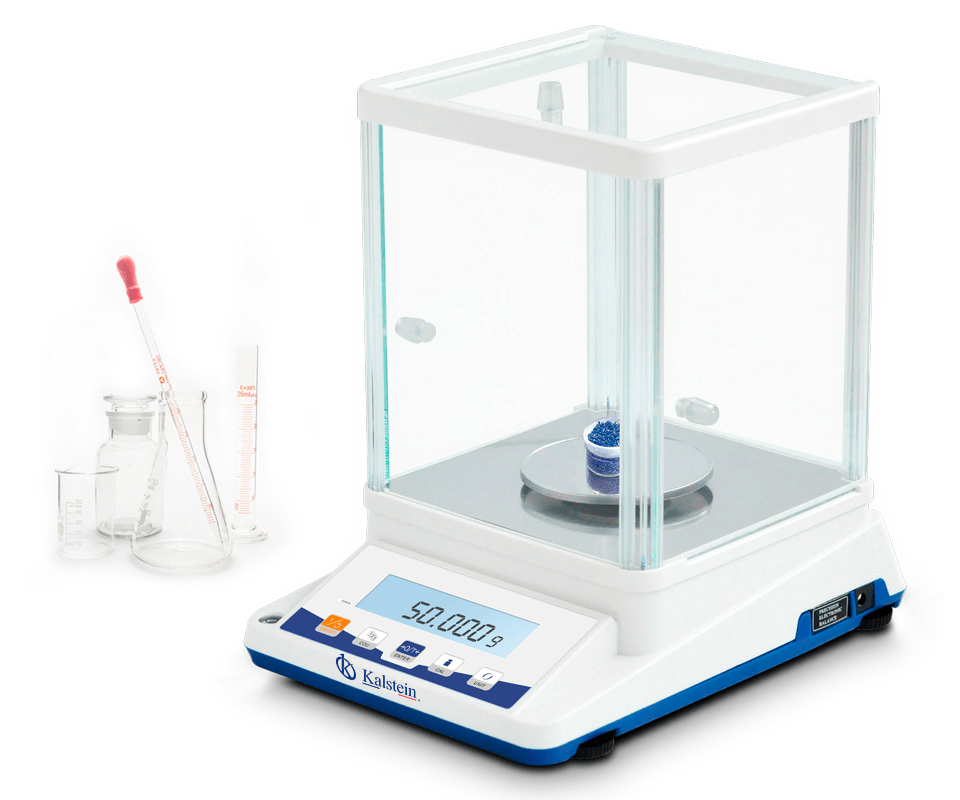
Maximizing ROI and Cost-Benefit Analysis for Precision Balances
In the landscape of laboratory equipment, precision balances are indispensable for accurate measurements. However, understanding their financial impact is crucial for laboratory managers. This article delves into the ROI and cost-benefit analysis of precision balances, highlighting how investing in these instruments can lead to significant savings and efficiency improvements.
Understanding ROI in Laboratory Equipment Investment
Return on Investment (ROI) is a critical metric that evaluates the profitability of investments made in laboratory instruments, particularly precision balances. By analyzing costs such as initial purchase price, maintenance, and operational expenses, laboratories can determine the overall financial benefits accrued from their usage. A well-calculated ROI helps laboratories justify their equipment purchases to stakeholders.
Cost-Benefit Analysis: Why It Matters for Precision Balances
Conducting a cost-benefit analysis enables laboratories to quantify the expected gains from using precision balances against their costs. This approach encompasses direct costs such as purchase price and indirect costs like training and operation. It aids in making informed decisions regarding which model to choose and how to allocate budgets effectively.
Comparison of Available Models
| Model | CAPEX (USD) | Cost per Test (USD) | Payback Period (Months) | Recommended Scenario |
|---|---|---|---|---|
| YR05584 | 75.00 | 0.10 | 6 | Small labs conducting routine measurements |
| YR05585 | 80.00 | 0.12 | 7 | Medium labs with varied applications |
| YR05586 | 80.00 | 0.11 | 5 | High precision applications in quality control |
| YR05587 | 80.00 | 0.13 | 8 | Research laboratories needing robust performance |
| YR05588 | 31.00 | 0.08 | 4 | Lightweight and portable applications |
| YR05589 | 31.00 | 0.09 | 4 | Budget-friendly setups in educational labs |
Evaluating the Financial Impact of Precision Balances
When assessing the financial impact, it is essential to consider both direct costs and indirect benefits of precision balances. Direct costs include purchase prices and maintenance. Indirect benefits often manifest as increased accuracy and reduced sample waste, resulting in cost savings over time. Understanding these factors provides a holistic view of a balance’s ROI.
Specific Use Cases for Different Models
Each model of precision balance serves unique functions tailored to specific laboratory needs. For instance, the YR05584 is suitable for small laboratories due to its low acquisition cost and adequate performance for standard weighing tasks. In contrast, the YR05586 shines in high precision applications, making it a better choice for quality control environments where accuracy is paramount.
Common Mistakes and How to Avoid Them
Laboratories often fall into the trap of neglecting total cost analysis when purchasing precision balances. To avoid miscalculations, it is vital to account for not only the initial purchase price but also ongoing operational costs such as maintenance, training, and consumables. Engaging stakeholders early in the decision-making process can also aid in aligning financial expectations with laboratory goals.
Frequently Asked Questions
How can I calculate the ROI from using precision balances in my lab?
To calculate ROI from precision balances, consider the total investment amount divided by the annual benefits gained, such as reduced waste and improved accuracy. For example, if a YR05584 balance costs $75 and saves your lab $12 a month in consumables, the ROI can be calculated over the year to reflect significant savings.
Which precision balance model is best for high-throughput labs?
The YR05586 model is ideal for high-throughput labs due to its advanced features and high load capacity. With a capacity of 310g and a readability of 0.001g, it can handle numerous samples efficiently while maintaining precision, ensuring minimal downtime.
What factors should be considered in the cost-benefit analysis of precision balances?
Key factors include acquisition cost, maintenance expenses, operational efficiency, and potential reduction in errors. For instance, the YR05585 costs $80 but offers improved accuracy, which can decrease costly errors, making it a more financially viable option in long-term analysis.
How do different precision balance models affect lab efficiency?
Different models impact lab efficiency by varying in speed and accuracy. The YR05588, for example, is lightweight and quick, making it suitable for portable applications, while the YR05587 model provides high performance for stationary setups, contributing to overall lab productivity.
What is the typical payback period for precision balances?
The payback period for precision balances can range from 4 to 8 months depending on usage and operational costs. For example, a YR05584 model with a payback of 6 months offers an accessible entry point for labs seeking to improve weighing accuracy without a steep financial commitment.
How does ongoing maintenance affect the cost of ownership for precision balances?
Ongoing maintenance significantly impacts the total cost of ownership. Regular calibration and servicing can enhance the lifespan and accuracy of models like the YR05585, preventing costly errors and ensuring compliance with quality standards, which ultimately supports a better ROI.
What role does operator training play in maximizing ROI from precision balances?
Operator training is essential in maximizing ROI as it ensures accurate usage and minimizes errors. Investing in training for using models like the YR05586 can enhance laboratory efficiency and reduce the likelihood of costly mistakes stemming from improper use.
How can precision balances contribute to reducing laboratory costs?
Precision balances help reduce laboratory costs by increasing measurement accuracy, thus preventing sample waste and re-testing. Models like the YR05588 are designed for efficiency, enabling labs to manage more samples effectively, which translates to lower operational costs over time.
If you are looking for a fusion of innovation and quality, you have come to the right place. At Kalstein, we offer you the luxury of exploring our exclusive catalog of laboratory equipment. We manufacture every device to the highest standards of excellence. Our intuitive and seamless online purchasing channels are designed for your convenience, securing the most competitive prices. Hesitate no longer — we bring science to life, it is time to become part of our community.