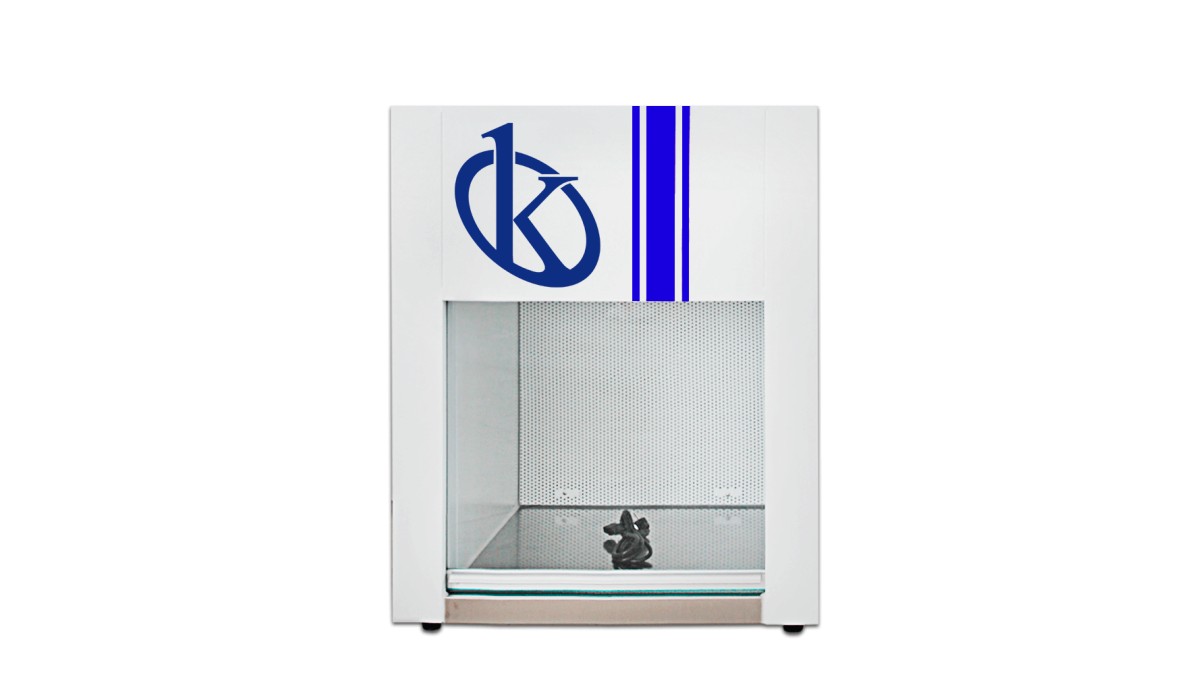
Horizontal Laminar Flow Clean Benches: Best Practices and Insights 2026
What is it used for in 2026
Horizontal Laminar Flow Clean Benches are essential in laboratory settings, providing a sterile and controlled environment ideal for various applications. They are primarily utilized in fields such as microbiology, pharmaceuticals, and biological research, where contamination must be minimized. In 2026, these benches are critical in ensuring that sensitive experiments and procedures are performed with high precision and accuracy.
History and evolution of the technology
The concept of laminar flow technology dates back to the mid-20th century, evolving significantly over the decades. Initially designed for clean rooms, the technology has adapted for use in clean benches, allowing for more localized applications. The introduction of advanced filtration systems and improved materials has enhanced performance, enabling these benches to meet stringent cleanliness standards required in modern laboratories.
How to use it step by step
- Preparation: Ensure all necessary materials are within reach and sterilized.
- Power On: Switch on the clean bench and allow it to run for the recommended warm-up period to establish laminar airflow.
- Set Up Work Area: Arrange equipment inside the bench, ensuring minimal obstruction to airflow.
- Perform Work: Conduct operations, maintaining a clean demeanor and avoiding unnecessary movements that could disrupt airflow.
- Post-Operation Cleaning: After use, clean the work surface with appropriate disinfectants and document any activities performed.
Best techniques and protocols
Adopting best practices is crucial for maximizing the effectiveness of Horizontal Laminar Flow Clean Benches. Techniques include:
- Regular maintenance and calibration to ensure optimal airflow and filtration efficiency.
- Utilizing aseptic techniques during operations to minimize contamination risk.
- Monitoring environmental conditions, such as temperature and humidity, to ensure they remain within specified limits.
Practical applications by laboratory type
Different laboratory types leverage Horizontal Laminar Flow Clean Benches for specific applications:
- Microbiology Labs: For culturing microorganisms and conducting aseptic techniques.
- Pharmaceutical Companies: For drug formulation and quality control testing.
- Research Laboratories: For executing experiments that require sterile conditions.
Regulations, standards and certifications
In 2026, compliance with various regulations is essential for the operation of Horizontal Laminar Flow Clean Benches. Key standards include:
- ISO 14644 for cleanroom classifications.
- USP Chapter 797 for sterile compounding in pharmacy.
- FDA guidelines on laboratory practices.
Comparison with alternative technologies
While Horizontal Laminar Flow Clean Benches provide superior protection against contamination, alternative technologies include:
- Biosafety Cabinets: More suitable for handling pathogenic materials due to their additional safety features.
- Laminar Flow Hoods: Provide similar airflow but may lack the sterile environment of clean benches.
Comparison of available models
| Model | Best for | Key specs | Recommended use case |
|---|---|---|---|
| YR05723 | Aseptic procedures | Class 100@≥0.5μM, 0.25-0.45 m/s wind speed | Microbiology and sterile compounding |
| YR05724 | Laboratory testing | Class 100@≥0.5μM, ≤62dB noise level | Pharmaceutical applications |
| YR05726 | Research experiments | Class 100@≥0.5μM, 300Lx illuminance | General laboratory research |
| YR05727 | High-volume applications | Class 100@≥0.5μM, max power 500W | Pharmaceutical manufacturing |
| YR05728 | Corrosive materials handling | Class 100@≥0.5μM, SUS304 stainless steel | Biological research |
| YR05729 | Heavy-duty tasks | Class 100@≥0.5μM, max power 640W | Industrial laboratory applications |
Common mistakes and how to avoid them
Laboratory professionals often face challenges while operating Horizontal Laminar Flow Clean Benches. Common mistakes include:
- Improper setup: Ensure equipment is correctly placed to not obstruct airflow.
- Neglecting maintenance: Regular filters and performance checks are essential for optimal operation.
- Inadequate training: Comprehensive training in operating procedures helps prevent accidents and contamination.
Maintenance, calibration and good practices 2026
To ensure the longevity and efficiency of Horizontal Laminar Flow Clean Benches, follow these maintenance guidelines:
- Regularly check and replace filters according to manufacturer specifications.
- Conduct routine calibrations to monitor airflow and performance.
- Document maintenance activities for compliance and future reference.
Cost-benefit analysis 2026
Investing in Horizontal Laminar Flow Clean Benches can be justified through a cost-benefit analysis:
- Reduced contamination risk: Minimizing errors in sensitive experiments leads to better outcomes.
- Enhanced efficiency: Streamlined workflows can lead to increased productivity in the lab.
- Compliance with regulations: Meeting industry standards can avoid costly fines and improve reputation.
Frequently asked questions
How do I choose the right model for my laboratory?
Consider the specific applications, workspace dimensions, and required specifications when selecting a model. Evaluate factors such as airflow rate, noise level, and the materials used in construction.
What maintenance is required for Horizontal Laminar Flow Clean Benches?
Regularly check filters, calibrate airflow, and clean surfaces to maintain optimal performance and ensure compliance with industry standards.
Can I use a clean bench for all types of laboratory work?
While clean benches are versatile, they are best suited for non-pathogenic applications. For handling hazardous materials, consider using a biosafety cabinet instead.
How long should the clean bench run before use?
Allow the clean bench to run for at least 15-30 minutes prior to commencing work to ensure a stable laminar airflow environment.
What is the typical lifespan of a Horizontal Laminar Flow Clean Bench?
Depending on usage and maintenance, a clean bench can last between 5 to 10 years. Regular maintenance can extend its lifespan significantly.
How often should I replace the filters?
Filter replacement frequency varies based on usage but generally should be done every 6 to 12 months. Monitoring airflow can help determine when replacements are necessary.
Is training necessary for using a clean bench?
Yes, proper training is vital to ensure safe and effective use, reduce contamination risks, and comply with laboratory protocols.
If you are looking for a fusion of innovation and quality, you have come to the right place. At Kalstein, we offer you the luxury of exploring our exclusive catalog of laboratory equipment. We manufacture every device to the highest standards of excellence. Our intuitive and seamless online purchasing channels are designed for your convenience, securing the most competitive prices. Hesitate no longer — we bring science to life, it is time to become part of our community.