Histopathology Accessories and Consumables: Common Mistakes and How to Avoid Them in Daily Operation 2026
What is it used for in 2026
In the evolving landscape of laboratory practices, histopathology accessories and consumables play a crucial role in ensuring accurate results and efficient workflows. These tools assist in the preparation, processing, and examination of tissue samples, allowing for effective diagnosis and research. Key items such as microtome blades, embedding cassettes, and paraffin blocks facilitate the smooth operation of histology labs. Utilizing high-quality consumables can significantly reduce errors, enhance sample quality, and save valuable time in laboratory settings.
History and evolution of the technology
The field of histopathology has advanced considerably since its inception. Early techniques were rudimentary, relying on basic tools for the examination of tissues. As the demand for precise and reliable results grew, the technology and materials used in histopathology evolved. The introduction of disposable microtome blades marked a significant advancement, providing sharper cuts and reducing contamination risks. Over the years, the development of embedding cassettes and quality paraffin products has further refined the histopathological process, ensuring that laboratories can meet the increased demands for efficiency and accuracy.
How to use it step by step
Using histopathology accessories and consumables involves several critical steps:
- Preparation: Ensure that all tools and consumables are clean and ready for use. This includes checking the integrity of microtome blades and ensuring embedding cassettes are available.
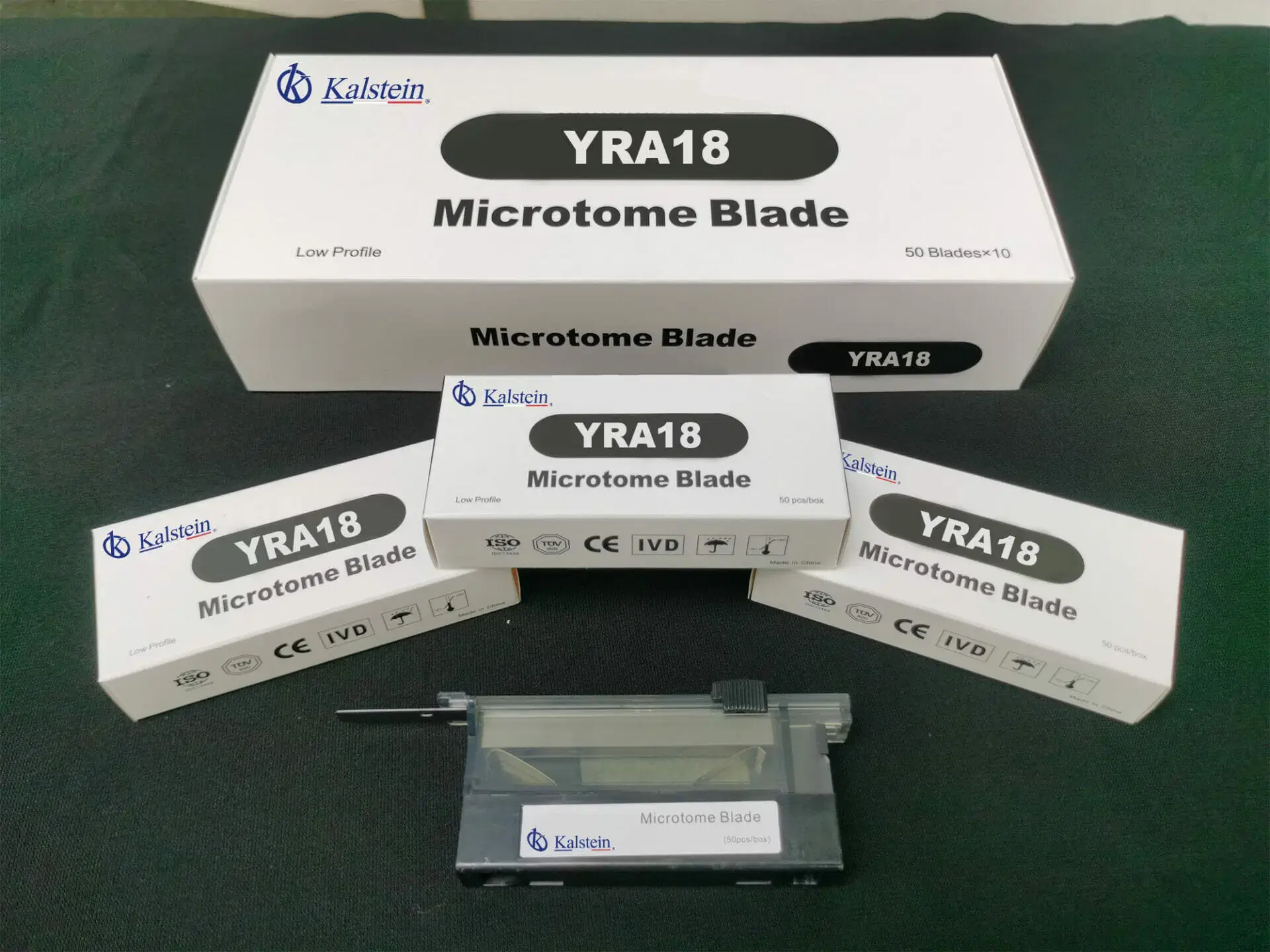
- Sample Processing: Process tissue samples using the appropriate techniques. For instance, utilize the YRA18-1 and YRA19-1 microtome blades to achieve precise cuts.
- Embedding: Place processed samples in the YRA20-1 tissue embedding cassette, ensuring proper orientation and fixation.
- Cooling: Allow samples to cool and solidify, ensuring they are adequately preserved for sectioning.
- Sectioning: Use microtome blades to create thin slices of the embedded tissue for microscopic examination.
Best techniques and protocols
To achieve optimal results in histopathology, it is essential to follow best practices and established protocols. These include:
- Regularly calibrating and maintaining microtome equipment to ensure precision.
- Using high-quality embedding media and paraffin to prevent sample distortion.
- Adhering to standardized protocols for staining and mounting to ensure reproducibility and accuracy.
- Implementing a quality control system to regularly assess the performance of consumables and accessories.
Practical applications by laboratory type
Histopathology accessories are utilized across various laboratory settings:
- Research Laboratories: For developing new diagnostic methods and studying disease mechanisms.
- Clinical Laboratories: In diagnosing diseases based on tissue samples obtained from patients.
- Educational Institutions: For training students in histological techniques and procedures.
Regulations, standards and certifications
Laboratories must comply with several regulations and standards to ensure the safety and quality of histopathological practices. Key regulations may include:
- ISO certification for laboratory processes.
- FDA regulations for consumables used in clinical settings.
- Good Laboratory Practice (GLP) guidelines to ensure consistency and reliability.
Comparison with alternative technologies
While histopathology accessories are integral to traditional histological procedures, alternative technologies such as digital pathology are emerging. Digital solutions can increase efficiency through image analysis and remote consultations, although they may lack the tactile feedback and detail provided by physical samples. Understanding the strengths and weaknesses of both approaches is key for laboratories to make informed decisions about their needs.
Comparison of available models
| Model | Best for | Key specs | Recommended use case |
|---|---|---|---|
| YRA18-1 | Low profile microtome blade | 250 boxes | Precision cuts for routine histology samples |
| YRA19-1 | High profile microtome blade | 40 boxes | Optimal for larger or harder tissue samples |
| YRA20-1 | Tissue embedding cassette | 9000 pieces | Embedding tissue samples for sectioning |
| YRA21-1 | Plastic cassette with cover | 4000 pieces | General use for tissue embedding |
| YRA33-2 | Paraffin block | 10kgs (20 boxes)/Carton | Preserving samples for long-term storage |
| YRA33-3 | Granular paraffin | 10 KG (10 bags)/Carton | Used for embedding tissue samples |
Common mistakes and how to avoid them
Many errors can occur in histopathology labs, leading to compromised results. Common mistakes include:
- Using dull microtome blades: This can lead to poor quality sections. Regularly replace blades to maintain cutting efficacy.
- Improper embedding: Ensure that samples are oriented correctly in embedding cassettes to prevent misalignment.
- Neglecting calibration: Regular calibration of equipment is crucial for maintaining precision and accuracy.
By being aware of these issues and implementing proper protocols, laboratories can significantly reduce errors in their workflows.
Maintenance, calibration and good practices 2026
To ensure longevity and performance of histopathology accessories, laboratories should implement the following maintenance practices:
- Regularly inspect and clean microtome blades and equipment to remove debris.
- Schedule routine calibration of instruments to ensure accuracy.
- Train staff extensively on the correct handling and use of consumables.
Cost-benefit analysis 2026
Investing in high-quality histopathology accessories may incur higher upfront costs but can lead to substantial long-term savings by reducing waste, improving sample quality, and enhancing productivity. Analyzing the total cost of ownership, including consumables, maintenance, and potential errors, can help laboratories make informed decisions about their purchasing strategies.
Frequently asked questions
What should I consider when choosing histopathology consumables?
Consider factors such as compatibility with existing equipment, the quality of materials, and the specific needs of your laboratory's workflows when selecting consumables.
How can I reduce errors in tissue sectioning?
Implementing regular maintenance schedules, using sharp blades, and ensuring proper sample embedding are key strategies for reducing errors in tissue sectioning.
What are the benefits of using disposable microtome blades?
Disposable microtome blades provide consistent quality cuts, reduce contamination risks, and enhance safety in the lab, making them a preferable choice.
How often should I calibrate my microtome?
It is recommended to calibrate your microtome at least quarterly or whenever there is a change in usage patterns or after maintenance work.
Can I use different brands of consumables together?
While it's possible, it’s advisable to use compatible brands to avoid issues with performance and sample quality.
What is the importance of using high-quality embedding media?
High-quality embedding media ensures better sample preservation, preventing degradation and ensuring accurate results during analysis.
How do I request a quote for histopathology accessories?
Contact our sales team to request a quote tailored to your specific laboratory needs and equipment requirements.
If you are looking for a fusion of innovation and quality, you have come to the right place. At Kalstein, we offer you the luxury of exploring our exclusive catalog of laboratory equipment. We manufacture every device to the highest standards of excellence. Our intuitive and seamless online purchasing channels are designed for your convenience, securing the most competitive prices. Hesitate no longer — we bring science to life, it is time to become part of our community.