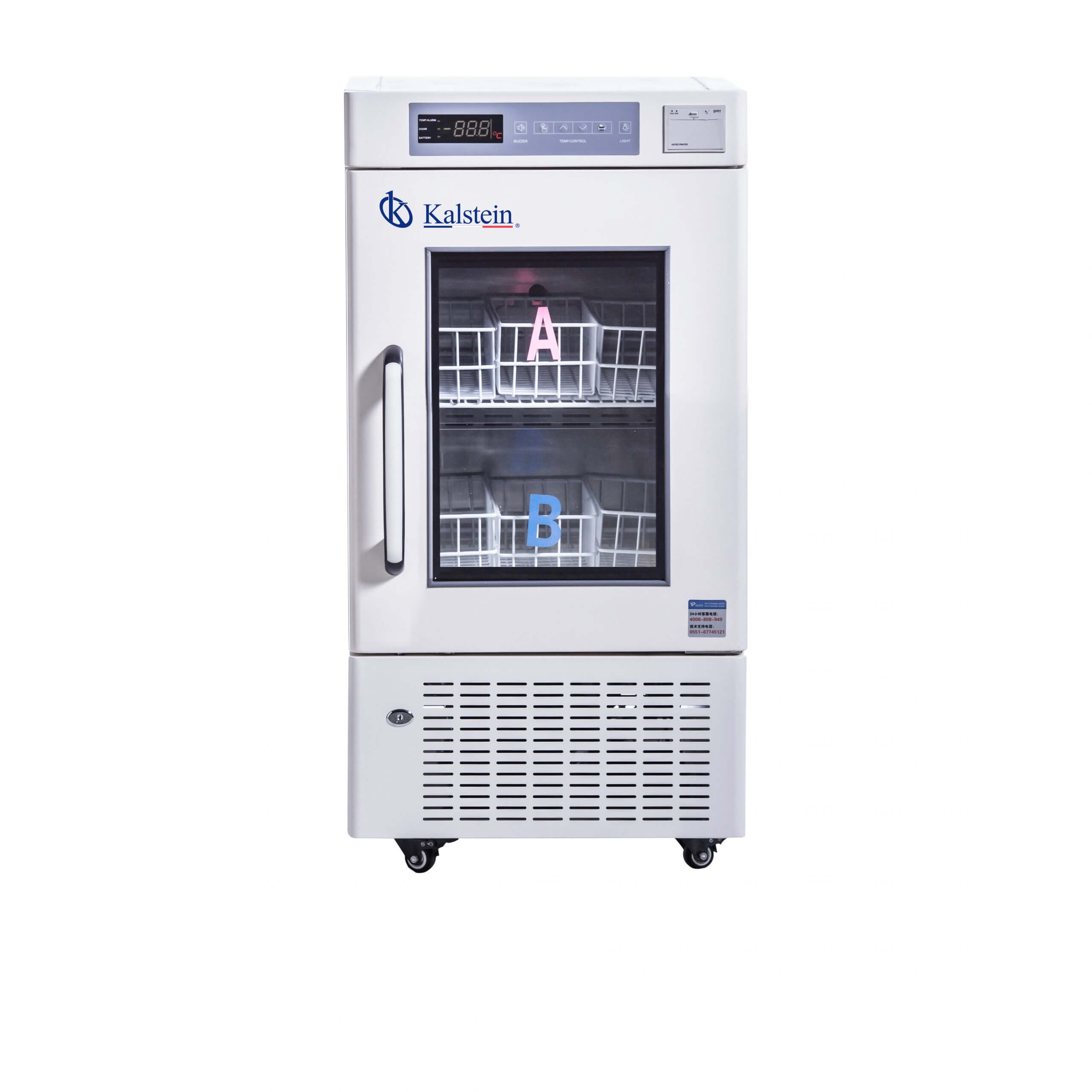
Blood Bank Refrigerators: Common Mistakes and How to Avoid Them in Daily Operations
What is it used for in 2026
In 2026, Blood Bank Refrigerators are essential in maintaining the safe storage of blood, blood products, and biopharmaceuticals. These specialized units are designed to keep temperatures within a strict range, typically between 2 °C and 6 °C, ensuring the preservation of blood components such as red blood cells, platelets, and plasma. As the demand for blood products continues to rise, understanding the precise application of these refrigerators is critical for laboratory professionals.
History and evolution of the technology
The technology behind Blood Bank Refrigerators has evolved significantly over the past few decades. Initially, blood was stored in ice-filled containers, which posed risks to temperature stability and overall blood quality. The introduction of electrically powered refrigerators allowed for more reliable temperature control. Over time, advancements in microprocessor technology have enabled even greater precision in temperature management, with modern models incorporating automatic defrosting functions and advanced alarm systems to prevent temperature excursions.
How to use it step by step
Using a Blood Bank Refrigerator effectively involves a series of critical steps:
- Preparation: Ensure that the refrigerator is clean and free of any old blood products. Verify that it is plugged in and functioning properly.
- Calibration: Check temperature sensors and calibrate the device if necessary to ensure accuracy.
- Loading: Place blood bags in the refrigerator, ensuring they are not overcrowded to allow for adequate air circulation.
- Monitoring: Regularly monitor the temperature display and maintain records of any fluctuations.
- Maintenance: Perform routine checks for ice buildup and clean any spills immediately to maintain hygiene.
Best techniques and protocols
Employing best practices in the use of Blood Bank Refrigerators guarantees the safety and efficacy of stored blood products. Key techniques and protocols include:
- Performing daily temperature checks and documenting results.
- Utilizing alarms to alert personnel of temperature deviations.
- Implementing a meticulous cleaning schedule to prevent contamination.
- Ensuring trained personnel manage the refrigerator operations.
Practical applications by laboratory type
Blood Bank Refrigerators have varied applications across different types of laboratories:
- Hospitals: Critical for storing blood supplies for transfusions.
- Blood Donation Centers: Used to preserve donated blood until it can be processed.
- Research Laboratories: Used for storing blood samples for various studies and experiments.
Regulations, standards and certifications
Blood Bank Refrigerators must adhere to strict governmental and international standards, such as those outlined by the Food and Drug Administration (FDA) and the American Association of Blood Banks (AABB). Compliance ensures that these refrigerators meet strict safety and efficacy requirements, ultimately protecting patient health.
Comparison with alternative technologies
While Blood Bank Refrigerators are the standard for blood storage, alternatives exist, such as ultra-low temperature freezers and dry ice. However, each has its own advantages and limitations:
- Ultra-Low Temperature Freezers: Ideal for long-term storage but consume more energy and require specialized monitoring.
- Dry Ice Storage: Supplementary method for transport but not suitable for long-term preservation due to temperature instability.
Comparison of available models
| Model | Best for | Key specs | Recommended use case |
|---|---|---|---|
| YR05091 | General blood storage | 2-6 °C, 175W, 49.6 dB | Ideal for hospitals and blood banks needing reliable storage |
| YR05092 | General blood storage | 2-6 °C, 183W, 51.2 dB | Suitable for larger blood banks with higher volume needs |
| YR05094 | High-capacity storage | 2-6 °C, 364W, 51.2 dB | Best for extensive research laboratories requiring large storage options |
| YR05098 | General storage and transport | -10 to -25 °C, 260W, 55 dB | Ideal for transporting blood products requiring extremely low temperatures |
| YR05292 | High-capacity blood product storage | 4±1 °C, 220V, 3490.00 | Best for large hospitals managing numerous blood bags |
| YR05292-1 | High-capacity blood product storage | 4±1 °C, 220V, 1850.00 | Ideal for various blood collection points and research labs |
Common mistakes and how to avoid them
Several common mistakes can occur in the operation of Blood Bank Refrigerators:
- Overloading: Avoid overcrowding the refrigerator, as it can restrict airflow and impact temperature control.
- Neglecting maintenance: Regularly scheduled maintenance is crucial to ensure the unit functions effectively.
- Ignoring alarms: Always respond promptly to alarm notifications to prevent temperature deviations.
Maintenance, calibration and good practices 2026
In 2026, the following practices are essential for maintaining Blood Bank Refrigerators:
- Monthly calibration of temperature sensors to ensure accuracy.
- Regular cleaning of the interior and exterior.
- Routine checks of the alarm systems and power sources.
Cost-benefit analysis 2026
When analyzing the cost-effectiveness of Blood Bank Refrigerators, consider the following:
- Initial purchase vs. long-term operational costs, including energy consumption.
- Potential savings from avoiding blood product spoilage due to inadequate storage.
- The investment in quality equipment can reduce maintenance costs over time.
Frequently asked questions
What should I consider when choosing a Blood Bank Refrigerator?
Consider the storage capacity, temperature accuracy, energy consumption, and features like alarm systems and automatic defrosting functions when selecting a Blood Bank Refrigerator.
How can I ensure that my Blood Bank Refrigerator is operating correctly?
Regularly calibrate the temperature sensors, monitor temperature daily, and check alarm functionality to ensure proper operation.
What is the ideal temperature range for storing blood products?
The ideal temperature range for storing blood products is between 2 °C and 6 °C to ensure their integrity and usability.
Can Blood Bank Refrigerators be used for other materials?
Yes, Blood Bank Refrigerators can also be used to store certain biopharmaceuticals and medications that require similar temperature conditions.
What maintenance steps should be taken regularly?
Regularly check the temperature settings, clean the units, and ensure that the alarm systems are functioning properly.
How often should I replace my Blood Bank Refrigerator?
Typically, a Blood Bank Refrigerator should be replaced every 10-15 years, depending on its usage and maintenance history.
What are the signs that my Blood Bank Refrigerator needs servicing?
Signs include unusual noises, frequent temperature alarms, or if the internal temperature does not remain within the specified range.
If you are looking for a fusion of innovation and quality, you have come to the right place. At Kalstein, we offer you the luxury of exploring our exclusive catalog of laboratory equipment. We manufacture every device to the highest standards of excellence. Our intuitive and seamless online purchasing channels are designed for your convenience, securing the most competitive prices. Hesitate no longer — we bring science to life, it is time to become part of our community.