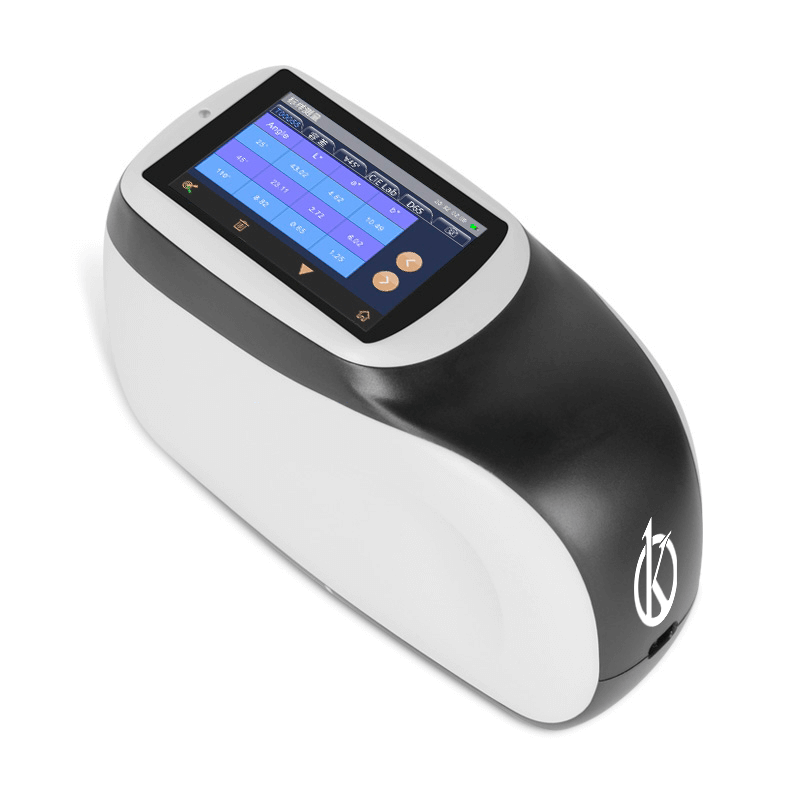
Multi Angles Spectrophotometer: Practical Use Guide 2026
The Multi Angles Spectrophotometer is a crucial tool for laboratory professionals engaged in color measurement and analysis. As technology evolves, the use of these devices becomes more refined, providing greater accuracy and versatility in the lab setting. This guide aims to provide a comprehensive understanding of the Multi Angles Spectrophotometer, detailing its applications, historical context, and best practices in 2026.
What is it used for in 2026
In 2026, Multi Angles Spectrophotometers are primarily utilized for assessing color differences in various materials, especially in industries such as coatings, textiles, plastics, and food. Their ability to measure color at multiple angles allows for the accurate evaluation of surface finishes, which is crucial for quality control processes. These instruments are important for ensuring that products meet color specifications and for conducting research in material sciences, where precise color measurement can affect both aesthetics and performance.
History and evolution of the technology
The development of spectrophotometry dates back to the late 19th century, but the advent of multi-angle measurement technology has considerably advanced in the last few decades. Early spectrophotometers only allowed for color measurement from a single angle, limiting their accuracy in assessing materials with complex geometries or finishes. The introduction of multi-angle capabilities in the early 2000s revolutionized color measurement, as it enabled scientists to examine the influence of light reflection at various angles on perceived color. Over time, improvements in optical components, software, and data analysis have enhanced the capability and accuracy of Multi Angles Spectrophotometers.
How to use it step by step
Using a Multi Angles Spectrophotometer involves several key steps to ensure accurate results:
- Preparation of the Sample: Ensure the sample is clean and free from contaminants that might affect color measurement.
- Calibration of the Device: Calibrate the spectrophotometer according to the manufacturer’s instructions to ensure precise measurements.
- Setting Measurement Parameters: Choose the appropriate angles and light sources based on the specific requirements of your analysis.
- Measurement: Position the sample in the measurement chamber and initiate the measurement process. Multiple readings should be taken from different angles.
- Data Analysis: Use the provided software to analyze the collected data and interpret the color differences.
- Documentation: Record the results and observations for future reference and quality control purposes.
Best techniques and protocols
To optimize the use of Multi Angles Spectrophotometers, adhere to the following best techniques and protocols:
- Always use standard calibration tiles for consistency in color measurements.
- Implement a routine maintenance schedule to keep the spectrophotometer in optimal condition.
- Ensure ambient lighting is controlled during measurements to minimize external influence on readings.
- Utilize software features for statistical analysis to better understand variations in color measurements.
Practical applications by laboratory type
Multi Angles Spectrophotometers find applications across various laboratory types:
- Coatings Laboratory: Used to assess paint and coating color consistency and ensure adherence to design specifications.
- Textiles Laboratory: Measures colorfastness and consistency in fabric production, crucial for maintaining brand standards.
- Food Industry: Evaluates color in packaged foods, which can affect consumer perception and quality assurance.
- Plastics Industry: Analyzes color variations in plastic products to ensure uniformity in manufacturing.
Regulations, standards and certifications
Compliance with established regulations and standards is vital for the credibility of color measurements. Multi Angles Spectrophotometers typically adhere to international standards such as ASTM D 2244, ISO 7724, and others. These standards outline protocols for color measurement and ensure consistency and reliability across various applications. Certifications from recognized bodies can enhance the validity of the measurements taken using these devices.
Comparison with alternative technologies
While Multi Angles Spectrophotometers offer precise measurements, they are often compared with traditional colorimeters and handheld spectrophotometers. Traditional colorimeters are less expensive but usually only measure color from a single angle, limiting their effectiveness in complex analyses. Handheld spectrophotometers provide portability but may lack the comprehensive data analysis capabilities offered by multi-angle systems. Thus, the choice between these technologies depends on the specific requirements of the analysis and the budget available.
Comparison of available models
| Model | Best for | Key specs | Recommended use case |
|---|---|---|---|
| YR05491 | High accuracy in multi-angle measurement | 8 angles, $8730.00 | Coating difference analysis |
| YR05492 | Versatile color measurement | 12 angles, $13492.00 | Complex surface evaluation |
| YR05488 | Basic color measurement tasks | 3 angles, $2857.00 | Quality control in textiles |
| YR05489 | Enhanced color analysis | 5 angles, $4762.00 | Plastic manufacturing |
| YR05490 | Standard color evaluation | 5 angles, $6032.00 | Food packaging analysis |
Common mistakes and how to avoid them
When using Multi Angles Spectrophotometers, some common mistakes can be avoided by following these tips:
- Failing to calibrate the device before use can lead to inaccurate readings.
- Neglecting to clean the sample properly may result in contamination and skewed results.
- Not controlling environmental conditions such as light can introduce variability in measurements.
Maintenance, calibration and good practices 2026
Regular maintenance is essential for the longevity and accuracy of Multi Angles Spectrophotometers. This includes:
- Routine calibration checks using standard tiles.
- Cleaning optical surfaces and sample holders to prevent contamination.
- Keeping the device firmware updated for optimal performance.
Implementing these practices will enhance the reliability of measurements in 2026.
Cost-benefit analysis 2026
Investing in a Multi Angles Spectrophotometer can provide significant benefits, including enhanced accuracy in color measurement, improved quality control, and reduced rework costs due to color discrepancies. The initial cost may be offset by the savings achieved through more efficient workflows and reduced errors in production. In assessing the overall cost, consider the potential return on investment based on the specific applications within your laboratory.
Frequently asked questions
What are the main features to look for in a Multi Angles Spectrophotometer?
When selecting a Multi Angles Spectrophotometer, consider factors such as the number of measurement angles, optical calibration capabilities, data analysis software, and compliance with international standards.
How do I ensure accurate color measurements in my lab?
To ensure accuracy, maintain a regular calibration schedule, control environmental conditions during measurements, and clean samples properly before analysis.
Can I use a Multi Angles Spectrophotometer for outdoor applications?
While these instruments are primarily designed for controlled laboratory environments, they can be adapted for outdoor use with proper shielding and calibration to account for variable lighting conditions.
What industries benefit most from Multi Angles Spectrophotometers?
Industries such as coatings, textiles, plastics, and food packaging gain significant benefits from these devices due to their need for precise color measurement and consistency.
How often should I perform maintenance on my spectrophotometer?
It is recommended to perform maintenance checks and calibrations quarterly, or more frequently if the instrument is used extensively.
What is the average lifespan of a Multi Angles Spectrophotometer?
With proper maintenance, a Multi Angles Spectrophotometer can last 10 years or more, depending on usage and care.
Where can I request a quote for purchasing a Multi Angles Spectrophotometer?
You can request a quote through our dedicated sales team for personalized assistance regarding your purchase.
If you are looking for a fusion of innovation and quality, you have come to the right place. At Kalstein, we offer you the luxury of exploring our exclusive catalog of laboratory equipment. We manufacture every device to the highest standards of excellence. Our intuitive and seamless online purchasing channels are designed for your convenience, securing the most competitive prices. Hesitate no longer — we bring science to life, it is time to become part of our community.