Microtome Series: Best Techniques and Protocols in 2026
What is it used for in 2026
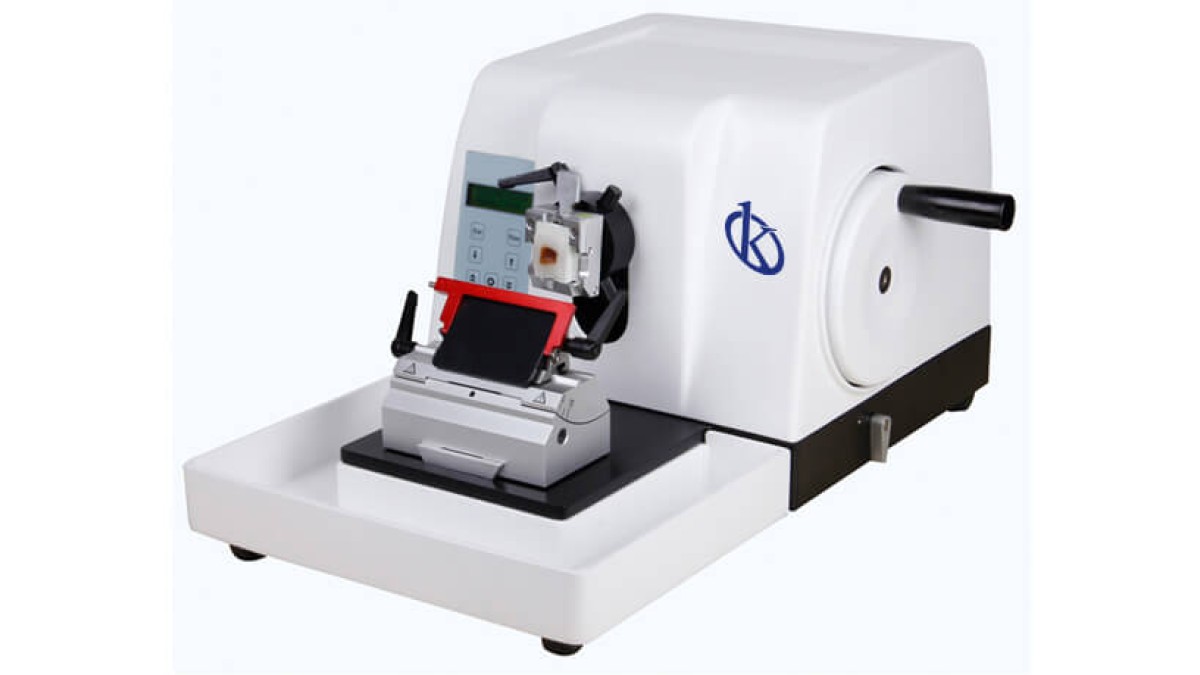
The Microtome Series plays a crucial role in histological preparations and pathological examinations. Its primary function in 2026 remains consistent with its historical applications, which include the cutting of thin tissue sections for microscopic examination. These instruments are essential in laboratories focused on histology, pathology, and research, where precise and reproducible tissue sections are imperative for accurate diagnostics and research outcomes.
History and evolution of the technology
The technology behind microtomes has evolved significantly since their inception in the late 19th century. The initial rotary microtomes were manually operated and required significant skill to produce consistent slices. Over the years, advancements have led to semi-automatic models that enhance precision and reduce operator fatigue. In 2026, the blend of traditional craftsmanship and modern engineering continues to define the microtome landscape, with a focus on user comfort and operational efficiency.
How to use it step by step
Using a microtome effectively involves several critical steps:
- Preparation: Ensure the microtome is clean and calibrated. Select the appropriate tissue sample and embed it in paraffin for stability.
- Set the thickness: Adjust the cutting thickness according to the requirements of your analysis, typically between 1μm and 60μm.
- Install the blade: Carefully mount the microtome blade, ensuring it is sharp and positioned correctly to prevent damage to the sample.
- Sectioning: Place the sample holder into the device, lock it in place, and slowly initiate the sectioning process.
- Collection: As sections are cut, they will fall onto a slide or into a collection tray. Handle them with care to avoid distortion.
- Staining and Analysis: Once sectioned, the samples can be stained using various histological techniques before microscopic examination.
Best techniques and protocols
In 2026, the best practices for using microtomes include:
- Utilizing high-quality blades to ensure clean cuts.
- Maintaining a consistent temperature in the laboratory to prevent sample expansion or contraction.
- Regularly calibrating and maintaining the microtome to ensure its accuracy over time.
- Employing a steady and gentle technique while sectioning to maintain the integrity of the tissue.
Practical applications by laboratory type
The applications of microtomes vary by laboratory type:
- Pathology Labs: Critical for preparing tissue samples for diagnosis.
- Research Labs: Used extensively for experimental tissue analysis and studies.
- Quality Control: Employed in industrial settings to assess material properties.
Regulations, standards and certifications
In 2026, microtomes must comply with international standards such as ISO 13485 for quality management systems in medical devices. Laboratories must ensure that their microtome equipment meets safety and performance criteria to be eligible for accreditation and certification.
Comparison with alternative technologies
Microtomes are often compared with cryostats and laser microdissection systems. While cryostats provide the benefit of sectioning frozen samples, microtomes are preferred for paraffin-embedded tissues due to their superior slicing capabilities. Laser microdissection offers high precision but is often limited to specific applications and is generally more expensive.
Comparison of available models
| Model | Best for | Key specs | Recommended use case |
|---|---|---|---|
| YR417-1 | General sectioning | Price: $5200.00 | Ideal for laboratories requiring reliable rotary sectioning. |
| YR416 | Universal use | Price: $3600.00 | Best for intricate and precise sectioning tasks. |
| YR417 | Histology labs | Price: $4000.00 | Perfect for detailed histological studies. |
| YR420 | High-throughput environments | Price: $2400.00 | Great for labs handling a large volume of samples. |
| YR421 | Pathological analysis | Price: $2400.00 | Suited for comprehensive pathological evaluations. |
| YR422 | Advanced sectioning | Price: $1200.00 | Excellent for high-quality, reliable sectioning. |
Common mistakes and how to avoid them
Common errors when using microtomes include:
- Improper blade installation — always double-check blade positioning.
- Inconsistent section thickness — ensure proper calibration.
- Ignoring maintenance — regularly check and clean the device.
Maintenance, calibration and good practices 2026
To maintain optimal performance:
- Clean the microtome after each use to prevent contamination.
- Calibrate the device regularly, at least once a month or as per manufacturer's guidelines.
- Store blades safely to prevent damage and ensure they are sharp before use.
Cost-benefit analysis 2026
Investing in a microtome can yield significant returns in terms of productivity and quality. While initial costs may seem high, the benefits of enhanced precision and reduced operational errors contribute to better laboratory outcomes, making them worthwhile investments.
Frequently asked questions
What should I consider when choosing a microtome?
Consider the type of tissue samples you will be sectioning, the required thickness, and the volume of samples to determine the best microtome model for your laboratory needs.
How often should I calibrate my microtome?
Calibration should be performed at least once a month, or more frequently if the device is used heavily, to ensure accuracy.
What is the best practice for blade care?
Store blades in a protective case, handle them carefully to avoid dulling, and replace them regularly to maintain cutting quality.
Can I use a microtome for different types of tissues?
Yes, but ensure that the microtome you select is suitable for the specific tissue types you intend to section, considering factors like embedding medium and sample preparation.
What is the typical lifespan of a microtome?
A microtome can last several years with proper maintenance and care, typically ranging from 5 to 15 years depending on usage and quality.
How can I improve my sectioning technique?
Practice consistent techniques, maintain equipment regularly, and ensure that samples are properly prepared and embedded to achieve the best results.
What are some common troubleshooting tips for microtome users?
If you encounter issues like uneven sections, check blade sharpness, ensure proper calibration, and review your sectioning technique for consistency.
If you are looking for a fusion of innovation and quality, you have come to the right place. At Kalstein, we offer you the luxury of exploring our exclusive catalog of laboratory equipment. We manufacture every device to the highest standards of excellence. Our intuitive and seamless online purchasing channels are designed for your convenience, securing the most competitive prices. Hesitate no longer — we bring science to life, it is time to become part of our community.