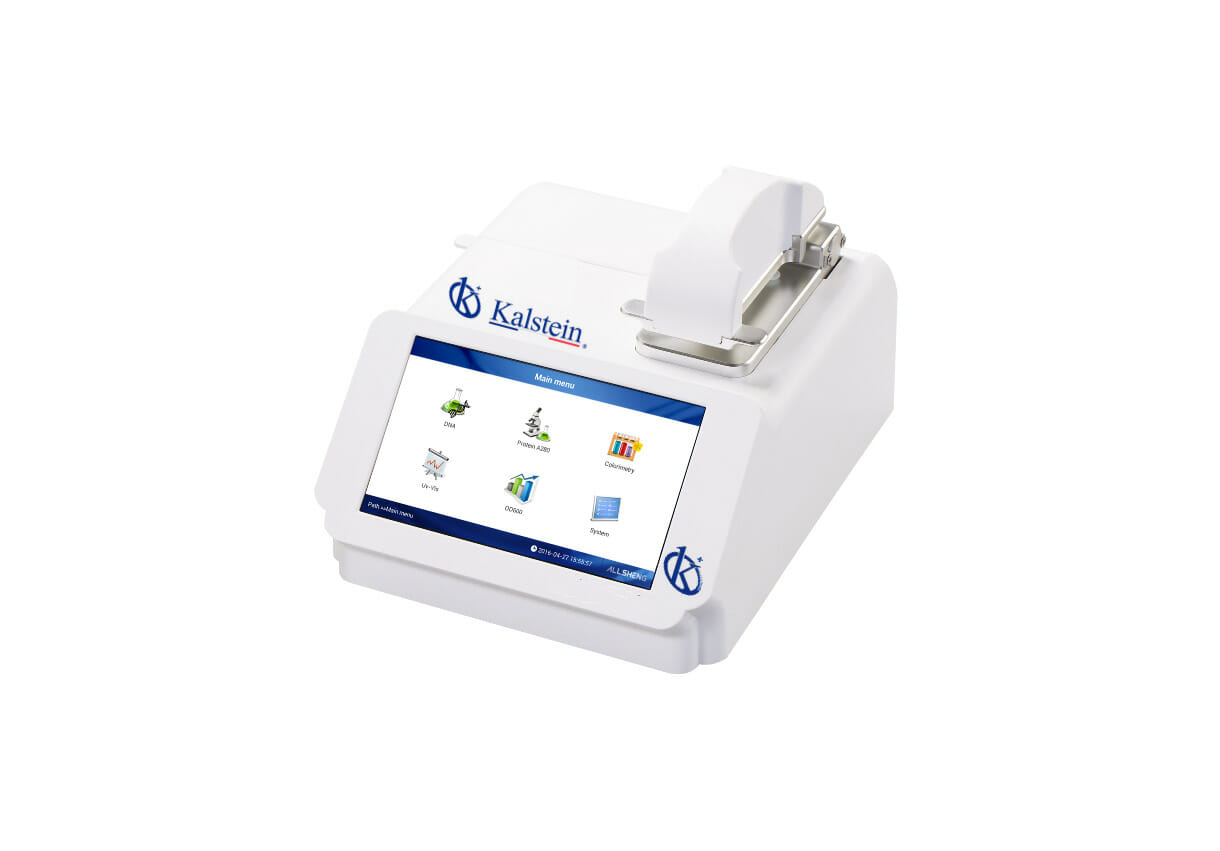
Micro-Spectrophotometers: LIMS Integration and Data Flow Digitalization 2026
In modern laboratories, the demand for efficiency and precision is at an all-time high. Micro-spectrophotometers have emerged as crucial tools for analytical tasks, particularly in the realms of nucleic acid, protein quantification, and other biochemical analyses. This article delves into the critical role of micro-spectrophotometers in integrating with Laboratory Information Management Systems (LIMS) and how they facilitate the digitalization of data flow within the laboratory environment.
Understanding LIMS Integration in Micro-Spectrophotometry
LIMS integration is crucial for laboratories aiming to enhance their operational efficiency and data accuracy. Micro-spectrophotometers, such as the YR06033-1 and YR06035, offer capabilities that can be leveraged to streamline data management. These instruments can connect with LIMS through various protocols, enabling seamless data transfer, which minimizes manual data entry errors and accelerates the workflow.
Key Benefits of Digital Data Flow in Laboratories
The digitalization of data flow in labs significantly improves productivity. With micro-spectrophotometers like the YR06034, researchers can quickly obtain results with minimal sample input, thereby optimizing their experimental designs. Digital data flow enables real-time data access, which is essential for timely decision-making in research and clinical environments. The incorporation of automated data logging and reporting further enhances the reliability of results.
LIMS Connectivity Protocols for Micro-Spectrophotometers
Micro-spectrophotometers are equipped with various connectivity options that support integration with LIMS. For instance, the YR06035 features USB output for easy data transfer. Common protocols include HL7 and ASTM standards, which facilitate interoperability between devices and systems. Laboratories must ensure that their chosen micro-spectrophotometer can support these protocols for optimal LIMS integration.
Choosing the Right Micro-Spectrophotometer for Your LIMS
When selecting a micro-spectrophotometer for LIMS integration, consider factors such as the sample size required, measurement range, and ease of use. The YR06033-1, with its ability to process samples as small as 2 μl, is ideal for labs with limited sample availability. In contrast, the YR06034 is designed for direct sample placement without the need for cuvettes, which simplifies the workflow.
Enhancements in Data Management Through Automation
Automating data management processes is another benefit of integrating micro-spectrophotometers with LIMS. By utilizing features in models like the YR06035, labs can automate the generation of reports, data entry, and even sample tracking, thereby reducing the workload on technical staff and minimizing the potential for human error.
The Role of Data Flow Digitalization in Research Innovation
Digitalization of data flow has been a catalyst for innovation in research settings. Micro-spectrophotometers that integrate with LIMS not only enhance data accuracy but also allow for better collaboration among research teams. For instance, the YR06033 can provide real-time access to experimental data, which is essential for collaborative projects that require quick feedback and adjustment.
Comparison of Available Models
| Model | Wavelength Range | Minimum Sample Size | Data Transfer | Best For |
|---|---|---|---|---|
| YR06033-1 | 200-800 nm | 2 μl | USB | High-throughput labs |
| YR06034 | 260 nm, 280 nm | 1-2 μl | USB | Basic DNA/RNA analysis |
| YR06035 | 200-800 nm | 0.5-2 μl | USB | Versatile applications |
Common Mistakes and How to Avoid Them
One common mistake labs make is underestimating the importance of LIMS integration during the selection of micro-spectrophotometers. Laboratories must ensure that their equipment can seamlessly integrate with existing systems to maximize efficiency. Additionally, not conducting adequate training for staff on the functionalities of these instruments can lead to suboptimal usage and data handling errors.
Frequently Asked Questions
How does LIMS integration improve data accuracy in micro-spectrophotometry?
LIMS integration enhances data accuracy by automating data capture and minimizing manual entry errors. For example, the YR06035 features USB connectivity that allows direct data transfer to LIMS, ensuring that measured data is accurately logged and readily available for analysis.
Which micro-spectrophotometer is best for minimal sample size analysis in 2026?
The YR06034 micro-spectrophotometer is specifically designed for minimal sample sizes, requiring only 1-2 μl for nucleic acid analysis. This feature makes it highly suitable for labs with limited sample availability in 2026.
What are the common connectivity protocols for micro-spectrophotometers and LIMS?
Common connectivity protocols for integrating micro-spectrophotometers with LIMS include HL7 and ASTM standards. These protocols ensure seamless data exchange, as seen in models like the YR06033-1, which supports USB data transfer.
How can automation in micro-spectrophotometers streamline laboratory workflows?
Automation allows for quick data logging and report generation, reducing the time spent on manual processes. For instance, the YR06035 can automate these tasks, enabling researchers to focus more on analysis rather than data entry.
What is the importance of sample tracking in laboratory data management?
Sample tracking is vital for maintaining data integrity and traceability. Micro-spectrophotometers like the YR06033-1 offer features that support this, ensuring that samples are accurately recorded throughout the analysis process.
How does the choice of micro-spectrophotometer impact research collaboration?
The choice of micro-spectrophotometer can greatly affect collaboration by enabling real-time data sharing. Models such as the YR06035 facilitate this by providing instant data access, essential for collaborative projects requiring quick feedback.
What are the key features to look for in micro-spectrophotometers in 2026?
In 2026, key features include minimal sample size requirements, fast measurement times, and strong LIMS integration capabilities, as provided by models like the YR06034 and YR06035, ensuring they meet modern lab demands.
How can labs ensure successful LIMS integration with micro-spectrophotometers?
Labs can ensure successful LIMS integration by selecting models with compatible connectivity options and protocols, such as the USB capability of the YR06033-1, and by training staff on best practices for data handling and integration.
Request a quote on our advanced laboratory equipment today to enhance your lab's performance and efficiency.
If you are looking for a fusion of innovation and quality, you have come to the right place. At Kalstein, we offer you the luxury of exploring our exclusive catalog of laboratory equipment. We manufacture every device to the highest standards of excellence. Our intuitive and seamless online purchasing channels are designed for your convenience, securing the most competitive prices. Hesitate no longer — we bring science to life, it is time to become part of our community.