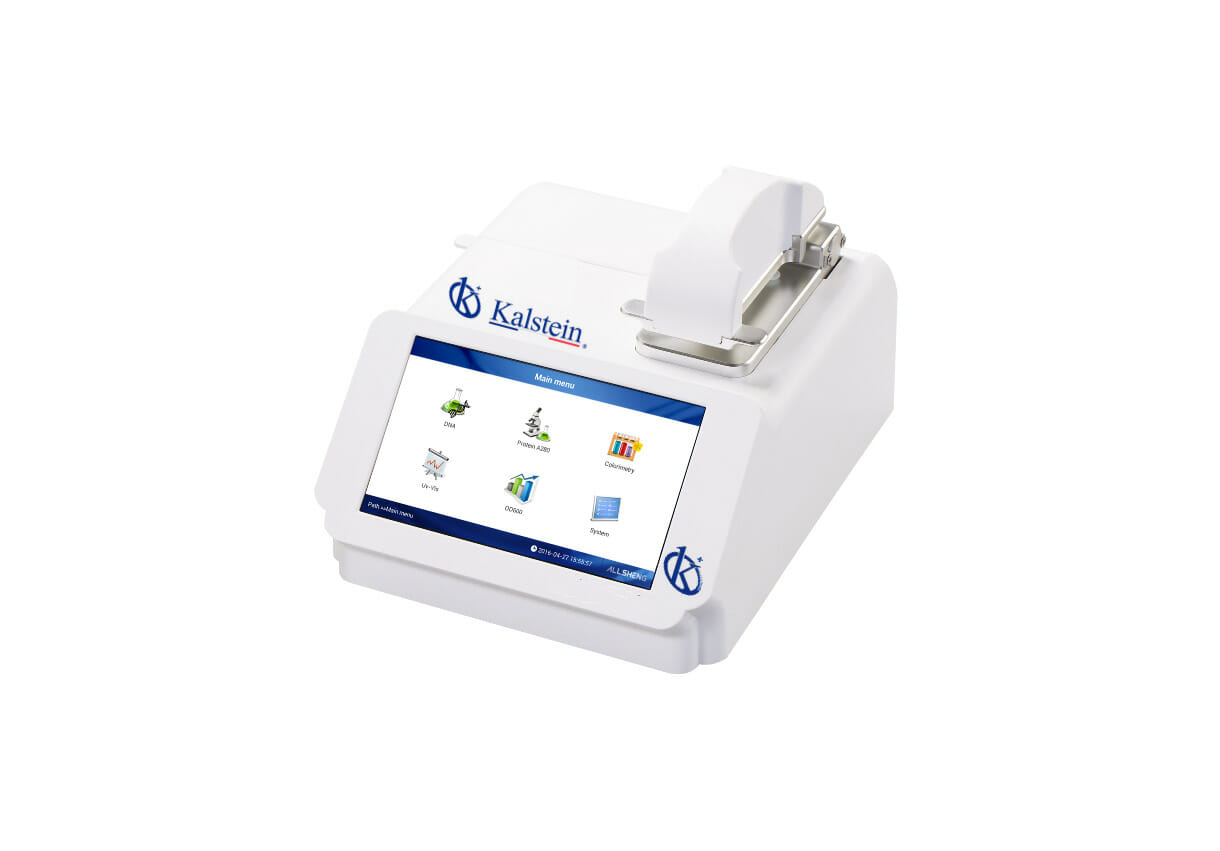
Micro-Spectrophotometers: Common Mistakes and How to Avoid Them in Daily Operation 2026
Micro-spectrophotometers have become essential tools in laboratories for analyzing small volumes of liquid samples. With the ability to measure the absorbance of nucleic acids and proteins quickly and accurately, these devices are crucial in various scientific fields. However, despite their advanced technology, users often face challenges that can lead to errors. This article aims to provide an in-depth understanding of micro-spectrophotometers, their applications in 2026, and how to avoid common pitfalls in their operation.
What is it used for in 2026
In 2026, micro-spectrophotometers are predominantly used in molecular biology, biochemistry, and clinical laboratories for the quantitative analysis of nucleic acids and proteins. Their ability to work with small sample volumes makes them ideal for applications where sample quantity is limited. Key uses include:
- Measuring concentrations of DNA and RNA
- Determining protein concentrations
- Analyzing purity and quality of samples
- Conducting kinetic studies
The versatility of these instruments allows them to be integrated into various laboratory workflows, including research, diagnostics, and quality control.
History and evolution of the technology
The evolution of spectrophotometry dates back to the early 19th century, but the advent of micro-spectrophotometers emerged much later with advancements in optical technology. Initial models required larger sample sizes and complex setups. Over the decades, the miniaturization of components, such as light sources and detectors, has led to the development of compact, user-friendly devices that operate on minimal volumes (as low as 0.5 μl). Today, models like the YR06033-1, YR06034, and YR06035 incorporate advanced features like touchscreen interfaces and integrated data analysis systems, allowing for more efficient laboratory operations.
How to use it step by step
Using a micro-spectrophotometer involves several straightforward steps:
- Power On: Turn on the device and allow it to warm up if required.
- Sample Preparation: Prepare your sample in a compatible micro-cuvette or directly on the measurement platform.
- Calibration: Calibrate the instrument using blank samples to ensure accurate baseline readings.
- Measurement: Place the sample in the measurement area and select the desired wavelength for analysis.
- Data Collection: Initiate the measurement and record the absorbance values displayed.
- Cleaning: Clean the measurement area or cuvette as per the manufacturer's recommendations to avoid cross-contamination.
Following these steps will help maximize the accuracy and efficiency of the measurements.
Best techniques and protocols
To ensure the best results when using micro-spectrophotometers, adhere to the following techniques and protocols:
- Use high-quality cuvettes or sample plates to minimize interference.
- Ensure samples are homogenous before measurement.
- Use appropriate dilutions for concentrated samples to fall within the linear range.
- Regularly calibrate and validate the instrument to maintain measurement accuracy.
- Run multiple replicates to confirm results and identify any anomalies.
Implementing these practices will enhance the reliability of the data obtained.
Practical applications by laboratory type
Micro-spectrophotometers find applications across various laboratory types:
- Research Laboratories: Used extensively for genomic studies, protein analyses, and various biochemical assays.
- Clinical Laboratories: Essential for nucleic acid testing and purity assessment in diagnostics.
- Quality Control Labs: Employed to ensure the quality of reagents and raw materials in manufacturing processes.
- Educational Institutions: Utilized for teaching and demonstrating fundamental analytical techniques.
These applications underscore the adaptability of micro-spectrophotometers in diverse scientific domains.
Regulations, standards and certifications
Micro-spectrophotometers must comply with various industry regulations and standards to ensure their reliability and accuracy. Common standards include:
- ISO 9001 for quality management systems
- ISO/IEC 17025 for laboratory competency
- FDA regulations for clinical diagnostic devices
Laboratories should ensure that their equipment is certified and regularly maintained to adhere to these regulations.
Comparison with alternative technologies
Micro-spectrophotometers are often compared to traditional spectrophotometers and fluorometers. Unlike traditional models, micro-spectrophotometers can operate with much smaller sample volumes, making them more efficient and cost-effective in sample usage. Additionally, while fluorometers are specialized for fluorescence measurements, micro-spectrophotometers are versatile and can measure absorbance across a wide range of wavelengths. This flexibility allows them to cater to various analytical needs without the necessity of multiple instruments.
Comparison of available models
| Model | Best for | Key specs | Recommended use case |
|---|---|---|---|
| YR06033-1 | Full spectrum analysis of nucleic acids and proteins | Wavelength: 200-800 nm, Sample size: 0.5-2 μl | High-throughput DNA/RNA assays |
| YR06034 | Basic UV analysis for nucleic acids | Wavelength: 260, 280 nm, Sample size: 1-2 μl | Quick purity checks of DNA/RNA |
| YR06035 | Advanced analysis with bacterial concentration measurement | Wavelength: 200-800 nm, Sample size: 0.5-2 μl | Research requiring bacterial growth analysis |
| YR06033 | Comprehensive nucleic acid and protein analysis | Wavelength: 190-1100 nm, Sample size: 1 μl | General-purpose laboratory analysis |
Common mistakes and how to avoid them
Despite their ease of use, several common mistakes can occur when operating micro-spectrophotometers:
- Inadequate Sample Volume: Using volumes less than recommended can lead to inaccurate results. Always adhere to the specified sample size.
- Neglecting Calibration: Skipping calibration can yield unreliable readings. Regularly calibrate your equipment before use.
- Improper Cleaning: Failing to clean the measurement area can result in cross-contamination. Always clean after each use.
- Ignoring Temperature Effects: Conducting measurements at varying temperatures can affect absorbance values. Ensure samples are at a consistent temperature prior to analysis.
By recognizing and addressing these mistakes, users can improve the accuracy and reliability of their measurements.
Maintenance, calibration and good practices 2026
Regular maintenance and calibration are crucial for the longevity and accuracy of micro-spectrophotometers. Recommended practices include:
- Conduct daily cleaning of the measurement area to prevent buildup.
- Calibrate the device weekly or before critical measurements.
- Store the device in a controlled environment to avoid temperature fluctuations.
- Perform software updates to enhance functionality and security.
Following these guidelines will ensure optimal performance and extend the life of the instrument.
Cost-benefit analysis 2026
When considering the purchase of a micro-spectrophotometer, it is important to conduct a cost-benefit analysis. While the initial investment can be significant, the benefits include:
- Reduced Sample Waste: Minimal sample requirements lead to cost savings, especially when working with rare samples.
- Increased Throughput: Faster measurement times enhance laboratory efficiency.
- Versatility: Capable of performing multiple functions reduces the need for additional equipment.
Ultimately, the long-term savings and improved productivity justify the investment in micro-spectrophotometers.
Frequently asked questions
What should I consider when choosing a micro-spectrophotometer?
When selecting a micro-spectrophotometer, consider factors such as the wavelength range, sample volume requirements, the type of detector, and additional features like a touchscreen interface or built-in data analysis capabilities. Assess your specific laboratory needs before making a decision.
How do I prepare my samples for measurement?
Ensure your samples are homogenous and free from bubbles. If using cuvettes, make sure they are clean and compatible with your spectrophotometer model. Use the recommended sample volumes for optimal results.
How often should I calibrate my micro-spectrophotometer?
Calibration frequency can depend on the number of measurements taken. However, it is advisable to calibrate before performing critical assays or at least weekly to ensure accuracy.
What are the common errors in using micro-spectrophotometers?
Common errors include inadequate sample volume, neglecting calibration, improper cleaning, and ignoring temperature effects. Being aware of these mistakes can help improve measurement accuracy.
Can I use my micro-spectrophotometer for protein analysis?
Yes, micro-spectrophotometers are suitable for protein analysis, especially when determining concentration and purity. Models like the YR06033-1 and YR06035 are particularly effective for such applications.
What maintenance tasks are essential for micro-spectrophotometers?
Essential maintenance tasks include regular cleaning of the measurement area, timely calibration, storing the device in a controlled environment, and performing software updates.
Where can I request a quote for a micro-spectrophotometer?
For competitive pricing and detailed product information, you can request a quote through Kalstein Plus for our range of micro-spectrophotometers.
If you are looking for a fusion of innovation and quality, you have come to the right place. At Kalstein, we offer you the luxury of exploring our exclusive catalog of laboratory equipment. We manufacture every device to the highest standards of excellence. Our intuitive and seamless online purchasing channels are designed for your convenience, securing the most competitive prices. Hesitate no longer — we bring science to life, it is time to become part of our community.