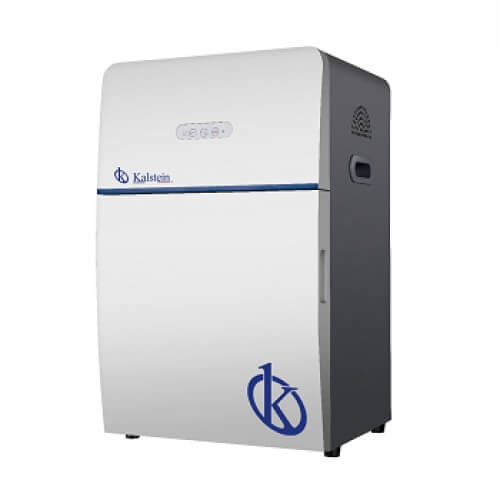
Understanding Measurement Interpretation with the YR06069-Op1 Gel System
The YR06069-Op1 Gel System plays a crucial role in laboratories by providing reliable data through its measurement capabilities. Understanding how to interpret these results correctly is essential for ensuring accuracy and precision in lab work. This article delves into the intricacies of result interpretation and measurement reading specifically tailored for the YR06069-Op1 model.
Technical Specifications of the YR06069-Op1
| Model | Brand | Category | Price (USD) | Gross Weight | Dimensions |
|---|---|---|---|---|---|
| YR06069-Op1 | Kalstein | Gel Documentation | $432.00 | 0 | x x |
Interpreting Results from the YR06069-Op1
Results obtained from the YR06069-Op1 can often seem complex. The key to effective interpretation lies in understanding the context of the data. Measurements may include various units that need to be correctly interpreted within standard ranges. For instance, understanding the significance of band intensity in gel electrophoresis can greatly impact the conclusions drawn from experimental data.
To effectively interpret results, users must be familiar with normal ranges, and potential error bars that accompany the measurements. These error bars provide insight into the variability of the results, which is crucial for statistical analysis and overall data reliability.
Common Misinterpretations of Measurements
Despite the advanced design of the YR06069-Op1, common misinterpretations can arise. One frequent issue is misreading the gel bands; bands that appear faint may be misinterpreted as insignificant when they may actually represent low concentrations. Additionally, overlapping bands can lead to confusion in quantifying results.
To mitigate these issues, operators should employ proper calibration techniques and refer to standard operating procedures when analyzing results. Familiarity with software outputs and graphical representations is also necessary for accurate interpretation.
Worked Examples of Measurement Interpretation
Let's consider a scenario where the YR06069-Op1 is utilized for DNA fragment analysis. The operator runs a gel electrophoresis to separate DNA fragments based on size. After the experiment, the operator obtains a gel image showing distinct bands.
The operator needs to compare these bands against a known DNA ladder to determine the sizes of the fragments. If fragment sizes appear larger than expected, it could indicate issues such as incomplete digestion or non-specific amplification, necessitating further investigation.
Understanding Units and Normal Ranges
Units of measurement play a critical role in laboratory analysis. In the context of the YR06069-Op1, the most common units include base pairs for DNA fragments, optical density for protein quantification, and standard deviations for variability assessments. Each of these units corresponds to specific normal ranges that must be adhered to for accurate assessment.
Establishing a solid understanding of these units and their implications helps in judging the quality of the results produced by the YR06069-Op1. It’s vital that operators routinely review the reference materials and documentation to stay informed about the expected measurements.
Frequently Asked Questions
What is the best way to calibrate the YR06069-Op1 for accurate measurements?
Calibrating the YR06069-Op1 involves using known standards to ensure accurate readings. It is recommended to perform calibration at regular intervals and after any significant changes to experimental conditions.
How can I avoid common errors while using the YR06069-Op1?
To minimize errors, always follow the manufacturer's guidelines closely, ensure the correct setup of the equipment, and consistently check calibration before experimental runs.
What do I do if I receive inconsistent readings from the YR06069-Op1?
If readings are inconsistent, verify the calibration, examine the reagents and samples for degradation, and ensure that the gel preparation was executed correctly.
What are the normal ranges for DNA fragment sizes analyzed with the YR06069-Op1?
Normal ranges for DNA fragment sizes depend on the sample and the specific application. Generally, fragments should fall within the expected size markers provided by standard DNA ladders.
How can I interpret optical density readings from the YR06069-Op1?
Optical density readings should be compared against standard curves generated from known concentrations. This comparison will allow for quantitative analysis of the sample in question.
What maintenance is required for the YR06069-Op1 to ensure accurate results?
Regular maintenance includes cleaning the gel apparatus, checking the power supply, and ensuring proper storage of the equipment to prevent contamination.
Can I use the YR06069-Op1 for applications outside of DNA analysis?
Yes, the YR06069-Op1 can be adapted for various applications including protein analysis and RNA studies, making it a versatile tool in molecular biology.
If you are looking for a fusion of innovation and quality, you have come to the right place. At Kalstein, we offer you the luxury of exploring our exclusive catalog of laboratory equipment. We manufacture every device to the highest standards of excellence. Our intuitive and seamless online purchasing channels are designed for your convenience, securing the most competitive prices. Hesitate no longer — we bring science to life, it is time to become part of our community.