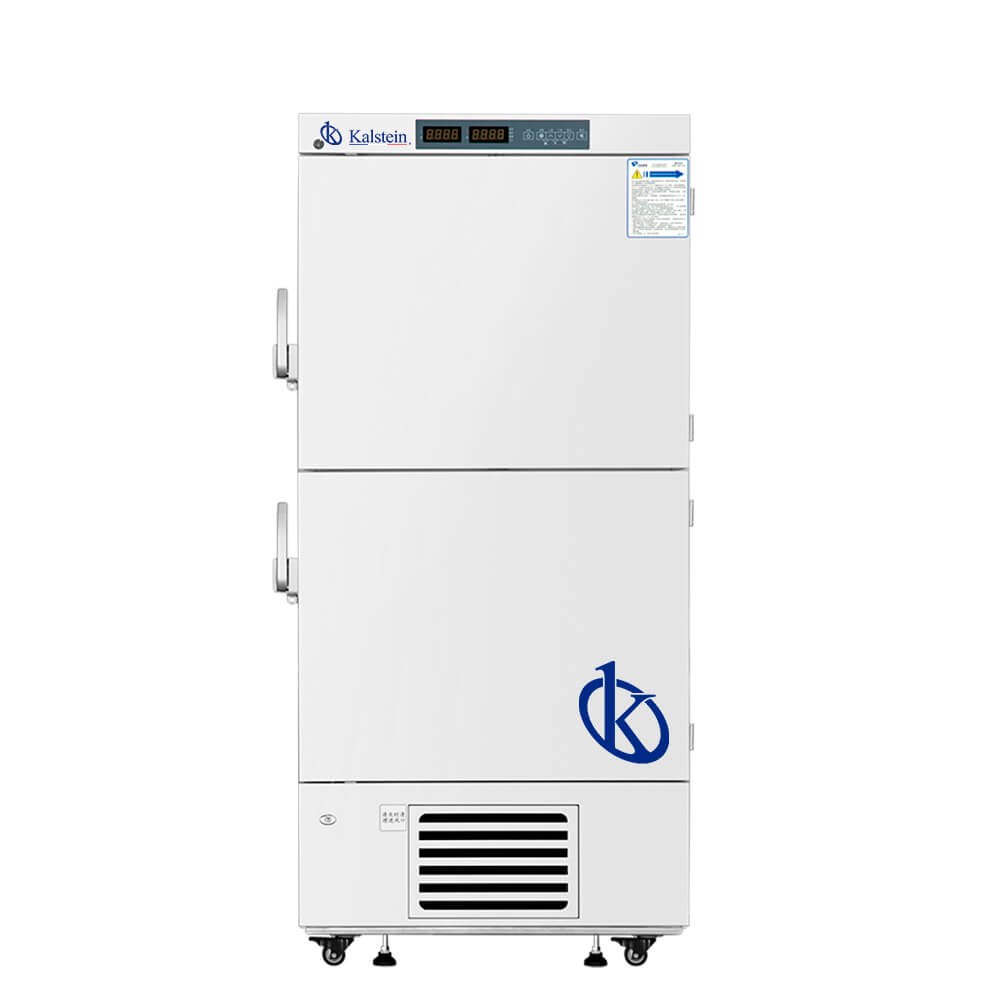
Low Temperature Freezers: Practical Applications and Techniques 2026
Low temperature freezers are crucial in maintaining the integrity of biological samples, pharmaceuticals, and other temperature-sensitive materials in laboratory settings. As technology evolves, understanding how to effectively utilize these devices becomes essential for laboratory professionals. This article explores practical applications, step-by-step usage, best practices, and a deeper understanding of low temperature freezers in 2026.
What is it used for in 2026
In 2026, low temperature freezers are used primarily for the preservation of biological samples, such as blood, tissues, and vaccines, which require specific temperature conditions to maintain their viability. These devices are also essential in storing enzymes, chemical compounds, and other laboratory materials that are sensitive to temperature variations. They ensure that samples remain stable over extended periods, preventing degradation that could compromise research outcomes.
History and evolution of the technology
The technology behind low temperature freezers has evolved significantly since their inception. Early models utilized simple refrigerant systems that provided limited temperature control. Over the decades, advancements in materials science and electronics have led to the development of more sophisticated systems that offer enhanced temperature stability, energy efficiency, and user-friendly interfaces. Today’s models incorporate features such as digital monitoring, alarm systems, and customizable shelving to cater to diverse laboratory needs.
How to use it step by step
Using a low temperature freezer involves several steps to ensure optimal performance and sample integrity:
- Setup: Place the freezer in a stable environment, avoiding direct sunlight or extreme temperature fluctuations.
- Temperature Setting: Configure the desired temperature range using the digital control panel. Typical settings are between -20°C and -40°C.
- Loading Samples: Utilize adjustable shelving to maximize space and load samples, ensuring proper air circulation around them.
- Monitoring: Regularly check the digital display for temperature readings and be attentive to any alarms indicating temperature deviations.
- Maintenance: Perform routine checks to clean the condenser and ensure efficient cooling. Follow the manufacturer’s guidelines for defrosting.
Best techniques and protocols
When working with low temperature freezers, employing best practices can significantly enhance sample preservation:
- Use cryoprotectants for biological samples to prevent ice crystal formation.
- Label all samples clearly and keep an inventory for easy tracking.
- Regularly calibrate the temperature control system to maintain accuracy.
- Conduct periodic performance checks to ensure the freezer is operating within specified parameters.
Practical applications by laboratory type
Low temperature freezers find applications across various laboratory settings:
- Clinical Laboratories: Store blood samples, vaccines, and other biological specimens.
- Research Laboratories: Preserve enzymes and reagents for experiments requiring low temperature conditions.
- Pharmaceutical Companies: Maintain the integrity of drug compounds and active ingredients.
- Biotechnology Firms: Store genetically modified organisms and other sensitive materials.
Regulations, standards and certifications
When using low temperature freezers, compliance with various regulations and standards is crucial. These can include:
- Good Laboratory Practice (GLP)
- ISO 9001 for quality management systems
- FDA regulations for pharmaceutical storage
- Local health and safety regulations
Comparison with alternative technologies
While low temperature freezers are widely used, other technologies exist for sample storage. Cryogenic storage, for instance, uses liquid nitrogen to achieve even lower temperatures but requires more significant infrastructure and safety protocols. Ultra-low temperature freezers provide a stable environment but consume more energy compared to standard low temperature models. The choice of technology depends on the specific requirements of the laboratory.
Comparison of available models
| Model | Best for | Key specs | Recommended use case |
|---|---|---|---|
| YR05100 | General sample preservation | Temperature range: -20°C to -40°C, Energy consumption: 6.7 kWh/23h, Noise: 55 dB | Laboratories requiring flexible storage with independent temperature zones. |
| YR05309 | Medical supply storage | Temperature range: -20°C to -40°C, Energy consumption: 5.5 kWh/24h, Noise: 49 dB | Ideal for storing medical supplies and sensitive pharmaceuticals. |
| YR05311 | Laboratory sample management | Temperature range: -10°C to -25°C, Energy consumption: 300W | Best suited for laboratory settings with a need for organized storage. |
Common mistakes and how to avoid them
Laboratory professionals often make mistakes when using low temperature freezers, including:
- Overloading: Avoid exceeding the recommended load to prevent temperature fluctuations.
- Ignoring alarms: Always respond to alarms immediately to address potential issues.
- Inadequate cleaning: Regularly maintain and clean the freezer to ensure efficient operation.
Maintenance, calibration and good practices 2026
Routine maintenance is essential for optimal performance:
- Clean the interior and exterior surfaces regularly.
- Check and calibrate temperature sensors at least once a year.
- Inspect and service the cooling system as per the manufacturer’s recommendations.
Cost-benefit analysis 2026
When deciding to invest in a low temperature freezer, consider the following:
- Initial costs versus potential savings in sample loss prevention.
- Energy consumption and efficiency ratings.
- Long-term reliability and maintenance costs.
Frequently asked questions
What is the ideal temperature range for a low temperature freezer?
The ideal temperature range typically falls between -20°C and -40°C, depending on the materials stored.
How do I know if my low temperature freezer is functioning correctly?
Regular monitoring of temperature readings and alarm notifications are key indicators of proper functioning.
Can I store different types of samples together?
Yes, but ensure that they are compatible and do not interfere with each other’s integrity.
How often should I perform maintenance on my freezer?
Routine maintenance should be conducted regularly, ideally at least once a month, with comprehensive checks annually.
What should I do if the temperature fluctuates?
Immediately investigate the cause, check for door seals, and ensure the unit is not overloaded.
Is it necessary to have a backup system for a low temperature freezer?
Yes, having a backup power source or an alarm system can safeguard against power failures.
How can I optimize storage within my low temperature freezer?
Utilize adjustable shelves and organize samples logically to enhance airflow and accessibility.
For further inquiries or to request a quote, feel free to reach out to our team.
If you are looking for a fusion of innovation and quality, you have come to the right place. At Kalstein, we offer you the luxury of exploring our exclusive catalog of laboratory equipment. We manufacture every device to the highest standards of excellence. Our intuitive and seamless online purchasing channels are designed for your convenience, securing the most competitive prices. Hesitate no longer — we bring science to life, it is time to become part of our community.