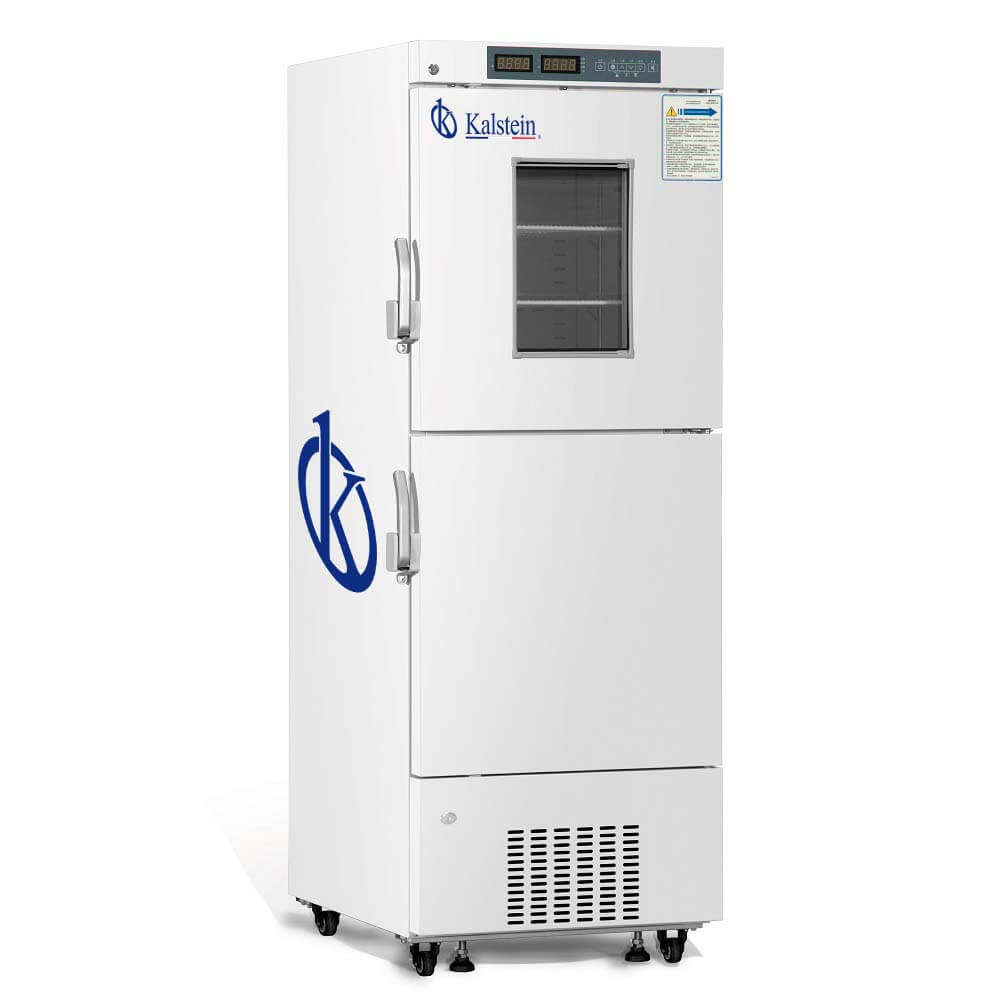
How ISO/IEC Compliance Affects the Selection of Combined Freezers in Laboratories
In laboratory settings, ensuring compliance with ISO and IEC standards is critical for maintaining operational integrity and quality control. Combined freezers play a crucial role in these standards, particularly regarding the storage of biological samples, vaccines, and pharmaceuticals. Understanding how these regulations impact the selection and use of combined freezers is essential for laboratory professionals aiming to meet stringent regulatory requirements.
Understanding ISO/IEC Norms and Their Importance
The ISO/IEC standards establish a framework for quality management systems and technical requirements. Compliance with ISO 17025, for instance, is vital for laboratories in demonstrating their capability to produce valid results. This standard outlines the requirements for competence in testing and calibration laboratories, including the management of equipment like combined freezers.
Laboratories must align their operational protocols with these standards, ensuring that equipment such as combined freezers meet specific performance criteria. For instance, maintaining precise temperature controls is essential for preserving the integrity of stored samples. Regular calibration and maintenance of freezers become critical components of compliance.
ISO 17025 and Its Impact on Freezer Selection
ISO 17025 specifies that laboratories must use equipment that can provide accurate and reliable results. When selecting combined freezers, laboratories must consider models that not only meet temperature specifications but also have robust monitoring systems. For instance, the YR05320 model offers a precise temperature range of -20°C to -40°C for the freezer compartment, making it suitable for storing sensitive biological materials.
Moreover, documentation requirements under ISO 17025 necessitate that laboratories keep records of equipment calibration and maintenance. This means choosing combined freezers that can easily integrate with Laboratory Information Management Systems (LIMS) for automated record-keeping and compliance reporting.
IEC Standards and Their Relevance to Laboratory Equipment
IEC standards are crucial for ensuring the safety and performance of electrical equipment used in laboratories. Compliance with standards such as IEC 61010 ensures that equipment like combined freezers operates safely within specified electrical parameters. For example, the YR05321 model, designed for PCR laboratories, follows these standards, providing dual temperature control that is essential for various laboratory applications.
Additionally, IEC standards outline electromagnetic compatibility, which is crucial for minimizing interference between devices in busy laboratory environments. Choosing freezers that comply with these standards helps laboratories avoid operational disruptions.
Audit Compliance: Best Practices for Freezer Usage
Regular audits are part of maintaining compliance with ISO/IEC standards. During audits, laboratories must demonstrate that their equipment, including combined freezers, is well-maintained and calibrated. This involves keeping track of operating conditions, temperature logs, and maintenance schedules. Establishing a routine for checking the YR05321-1 model, known for its dual independent cooling systems, helps ensure consistent performance and compliance.
It's also beneficial to develop an audit checklist that includes items such as calibration logs, maintenance records, and evidence of compliance with temperature requirements. This documentation can be crucial during internal and external audits.
Traceability and Documentation Requirements
Traceability of measurements is a key aspect of compliance with ISO/IEC standards. Laboratories must be able to demonstrate that their temperature readings are accurate and reliable. Combined freezers should be equipped with features that facilitate traceability, such as digital displays and automatic logging of temperature data.
For example, the YR05320 model includes a digital display for real-time monitoring, allowing for easy tracking of temperature settings. Laboratories should ensure that documentation is maintained in accordance with ISO standards, including calibration certificates and maintenance records.
Comparison of Available Models
| Model | ISO/IEC Clauses Covered | Traceability Features | Best For |
|---|---|---|---|
| YR05320 | ISO 17025, IEC 61010 | Digital display, automatic logging | Pharmaceutical storage |
| YR05321 | ISO 17025, IEC 61010 | Independent control systems | PCR laboratories |
| YR05321-1 | ISO 17025, IEC 61010 | Temperature logging capabilities | Blood transfusion centers |
Common Mistakes and How to Avoid Them
One of the most frequent mistakes laboratories make is neglecting regular maintenance and calibration of their combined freezers. This can lead to non-compliance with ISO/IEC standards and ultimately affect the integrity of stored samples. Establishing a routine maintenance schedule that aligns with your laboratory's operational demands is essential.
Another common error is failing to document temperature readings and maintenance activities properly. This oversight can result in challenges during audits. Implementing a digital logging system can streamline documentation processes and enhance traceability, ensuring compliance with relevant standards.
Frequently Asked Questions
How can I ensure that my combined freezer meets ISO 17025 requirements?
To ensure compliance with ISO 17025, select a combined freezer like the YR05320 that meets specific temperature range requirements and has robust monitoring systems. Regular calibration and proper documentation of maintenance records are essential to maintain compliance.
Which combined freezer model is best for PCR laboratories under IEC standards?
The YR05321 is ideal for PCR laboratories as it features dual independent cooling systems, meeting IEC standards for performance and safety. This model's precise temperature control helps maintain sample integrity.
What documentation is necessary for compliance with ISO/IEC standards?
Necessary documentation includes maintenance records, calibration certificates, and temperature logs. Using models like the YR05321-1 with automatic logging capabilities can facilitate easier documentation for compliance with ISO/IEC standards.
How do I choose a combined freezer that supports traceability?
Opt for combined freezers that feature digital displays and automatic data logging, such as the YR05320. These features provide the necessary traceability for compliance with ISO/IEC standards.
What maintenance practices can improve compliance with ISO standards?
Regular calibration, cleaning, and temperature monitoring of combined freezers are key practices. Establish a maintenance schedule for models like the YR05321 to ensure ongoing compliance with ISO standards.
Why is temperature control critical for ISO compliance in laboratories?
Temperature control is vital for maintaining sample integrity and compliance with ISO standards. Models like the YR05321-1 ensure precise temperature management, which is essential for laboratory operations.
How often should I calibrate my combined freezer for regulatory compliance?
Calibration frequency should be based on usage and manufacturer recommendations, typically every 6 to 12 months. For instance, calibrate the YR05320 regularly to ensure it meets ISO regulations.
What are the benefits of having dual cooling systems in combined freezers?
Dual cooling systems, like those in the YR05321, provide independent temperature control, enhancing reliability and compliance with ISO standards while ensuring the safe storage of various materials.
If you are looking for a fusion of innovation and quality, you have come to the right place. At Kalstein, we offer you the luxury of exploring our exclusive catalog of laboratory equipment. We manufacture every device to the highest standards of excellence. Our intuitive and seamless online purchasing channels are designed for your convenience, securing the most competitive prices. Hesitate no longer — we bring science to life, it is time to become part of our community.