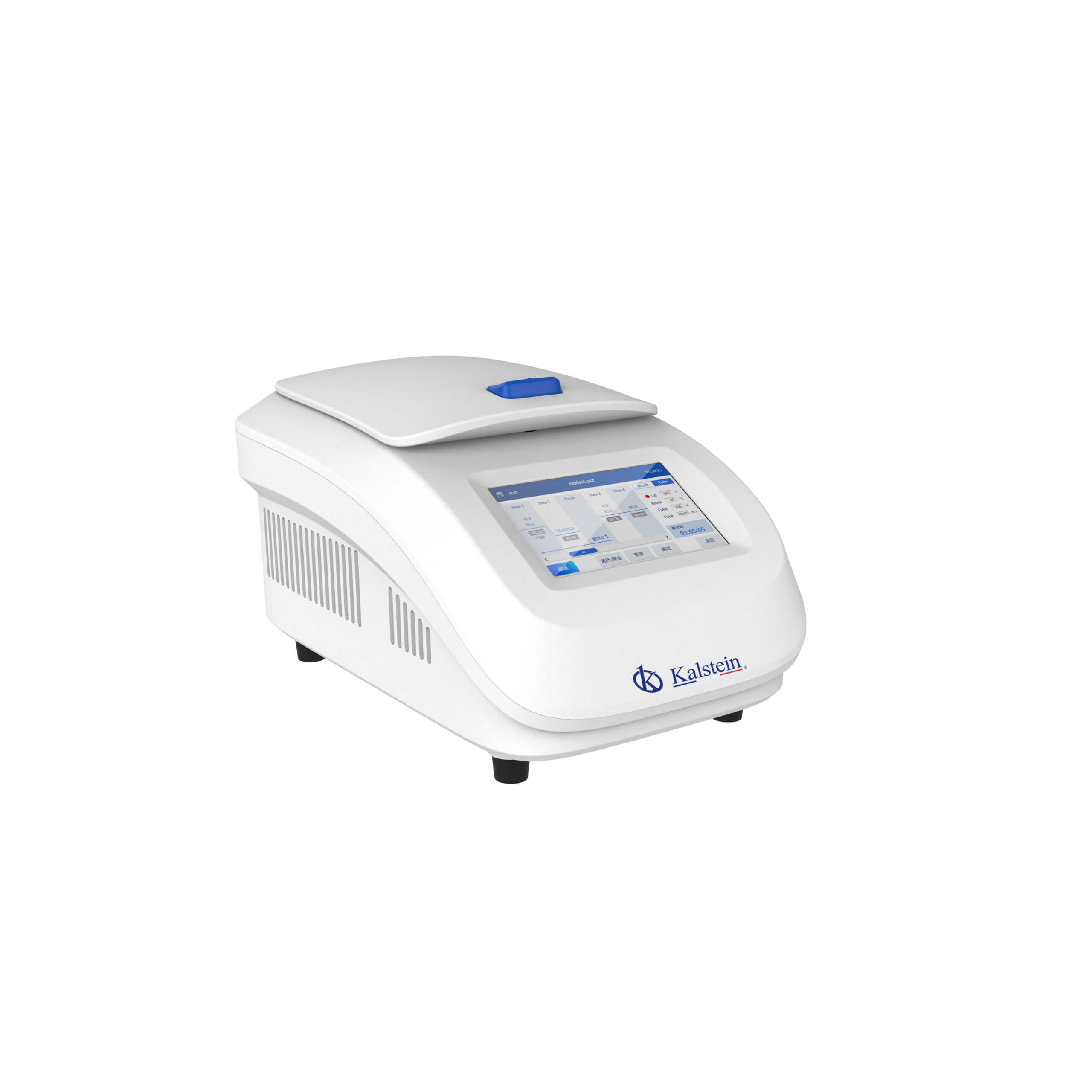
ISO/IEC Compliance in Laboratory Settings: Evaluating Biochemical BOD Incubators
In today’s laboratory environments, adherence to ISO/IEC standards is crucial for ensuring quality, accuracy, and reliability in testing. Biochemical BOD (Biochemical Oxygen Demand) incubators play a pivotal role in various laboratory processes, including environmental monitoring and biochemical testing. This article delves into the specifics of ISO/IEC compliance, how it affects laboratory operations, and evaluates several models of biochemical BOD incubators to determine their alignment with these standards.
Understanding ISO/IEC Norms and Their Importance
ISO (International Organization for Standardization) and IEC (International Electrotechnical Commission) provide standards that organizations must follow to ensure quality and safety in laboratory practices. ISO 17025 is particularly relevant for laboratories, focusing on competence and consistency in testing and calibration. Compliance with these norms not only enhances the credibility of laboratory results but also minimizes risks associated with inaccurate measurements.
How Biochemical BOD Incubators Meet ISO/IEC Requirements
Biochemical BOD incubators are essential for maintaining the required conditions for BOD testing, which is critical in assessing water quality. The design and functionality of these incubators must comply with regulatory standards to ensure the accuracy of results. Features such as temperature control, uniformity, and stability are assessed against ISO/IEC metrics, providing a framework for laboratories to validate their testing processes.
Key ISO/IEC Standards Relevant to Laboratories
Several ISO/IEC standards govern laboratory operations, including:
- ISO 17025: This standard specifies the general requirements for the competence of testing and calibration laboratories.
- IEC 61010: Safety requirements for electrical equipment for measurement, control, and laboratory use.
- ISO 15189: Medical laboratories — Requirements for quality and competence.
Comparison of Available Models
| Model | ISO/IEC Clauses Covered | Traceability Features | Best for |
|---|---|---|---|
| YR05889 | ISO 17025 | Advanced temperature logging | DNA amplification, sample preservation |
| YR05890 | ISO 17025 | Temperature stability monitoring | Biochemical testing requiring precision |
| YR05891 | ISO 17025, IEC 61010 | Automatic fault detection | Small labs and quick test kits |
| YR05892 | ISO 17025 | PID temperature control | Small sample reactions |
| YR05893 | ISO 17025 | Multiple programming segments | Versatile laboratory needs |
| YR05894 | ISO 17025 | High precision temperature control | Environmental and quality control testing |
Common Mistakes and How to Avoid Them
Many laboratories fail to ensure ISO/IEC compliance due to a lack of understanding of the standards or inadequate training. Common mistakes include:
- Neglecting Calibration: Regular calibration is crucial for maintaining accuracy. Labs should implement a schedule to calibrate their incubators, such as the YR05890, every month.
- Inconsistent Temperature Monitoring: It’s essential to continuously monitor and document temperature variations in incubators to satisfy ISO 17025 requirements.
- Failing to Train Staff: Ensure all staff are trained on compliance protocols. Regular workshops can help keep the team informed.
Enhancing Laboratory Efficiency with BOD Incubators
Leveraging biochemical BOD incubators such as the YR05894 can lead to increased efficiency in laboratory workflows. These devices not only provide high precision and stability but also integrate features that save time and resources. For instance, the automatic fault detection in the YR05891 minimizes downtime and ensures that experiments are not compromised due to equipment failure.
Cost-Benefit Analysis of Biochemical BOD Incubators
When considering investments in biochemical BOD incubators, it is crucial to analyze the cost versus benefit. Below is a simple breakdown of the costs associated with different models and their expected operational benefits:
| Model | Purchase Price (USD) | Operating Cost (Annual) | Expected Life Span (Years) | ROI Potential |
|---|---|---|---|---|
| YR05889 | 590.00 | 100.00 | 5 | High |
| YR05890 | 390.00 | 80.00 | 5 | Moderate |
| YR05891 | 89.00 | 50.00 | 3 | High |
| YR05892 | 189.00 | 60.00 | 4 | Moderate |
| YR05893 | 149.00 | 55.00 | 3 | High |
| YR05894 | 119.00 | 40.00 | 4 | Very High |
Frequently Asked Questions
How does ISO 17025 compliance affect the use of biochemical BOD incubators?
ISO 17025 compliance is crucial for labs using biochemical BOD incubators, such as the YR05889, as it ensures accurate and reliable testing. This standard requires proper calibration and temperature monitoring, which helps maintain the integrity of BOD tests and thus enhances the credibility of laboratory results.
What features should I look for in a compliant BOD incubator for my lab?
When selecting a compliant BOD incubator, consider features like advanced temperature control, traceability options, and automatic fault detection. Models like the YR05890 provide excellent temperature stability, essential for maintaining ISO standards in laboratory settings.
How can I ensure the accuracy of my BOD tests using these incubators?
To ensure BOD test accuracy, regularly calibrate your incubator and monitor temperature closely. Utilize models such as YR05894, known for high precision temperature control, to maintain ideal testing conditions.
What are the common compliance issues faced with BOD incubators?
Common compliance issues include improper calibration, lack of monitoring, and inadequate staff training. Addressing these issues with proper protocols and using models like YR05891 can significantly enhance compliance levels.
Which incubator model is best for small laboratories seeking ISO compliance?
The YR05891 Mini Dry Bath Incubator is ideal for small labs due to its compact size and reliable performance, making it easier to meet ISO compliance standards while managing operating costs effectively.
What is the expected lifespan of a compliant biochemical BOD incubator?
The expected lifespan for models like the YR05890 or YR05894 is approximately 5 years with proper maintenance. Regular calibration and adherence to operating conditions can extend their lifespan further, ensuring ongoing compliance.
How does the investment in a quality BOD incubator impact laboratory performance?
Investing in a quality BOD incubator dramatically impacts laboratory performance by improving reliability and accuracy in testing. Models such as the YR05894 provide high precision, which aligns with ISO compliance and enhances overall laboratory credibility.
Where can I request a quote for biochemical BOD incubators?
You can request a quote for biochemical BOD incubators through various laboratory equipment suppliers. Ensure to include specifications that align with ISO standards for the most accurate pricing and product selections.
If you are looking for a fusion of innovation and quality, you have come to the right place. At Kalstein, we offer you the luxury of exploring our exclusive catalog of laboratory equipment. We manufacture every device to the highest standards of excellence. Our intuitive and seamless online purchasing channels are designed for your convenience, securing the most competitive prices. Hesitate no longer — we bring science to life, it is time to become part of our community.