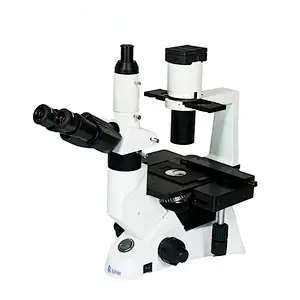
Interpreting Results and Measurement Readings with the YR0230 Inverted Microscope
The YR0230 Inverted Microscope is a sophisticated tool designed to enhance laboratory research through its advanced optical capabilities. This article will delve into the interpretation of results and measurement readings obtained from the YR0230, focusing on how users can make the most of this instrument for accurate and reliable outcomes.
Understanding the Optical System of the YR0230
The YR0230 features an infinite optical system, which is pivotal for achieving high-quality images and precise measurements. This system allows for extensive flexibility in the choice of objectives, facilitating the observation of transparent and living samples. The optical configuration includes a trinocular head inclined at 30 degrees and an adjustable interpupillary distance from 48 to 75 mm, ensuring user comfort and optimal viewing.
The use of long working distance (LWD) objectives, such as the 4x/0.1 and 40x/0.6, supports the investigation of live samples without causing damage. Understanding the optical properties and the significance of these specifications is crucial for accurate result interpretation. A clear understanding of how the optics interact with various sample types will enhance the operator's ability to obtain meaningful data.
Setting Up for Accurate Measurements
Proper setup is vital for obtaining accurate measurements with the YR0230. Begin by ensuring the microscope is level and stable to avoid any impacts on the optical path. The focus adjustment mechanism, which includes both coarse and fine adjustments, allows for precise focusing on the sample. When handling live samples, it is essential to use the appropriate coverslips and glass slides to maintain their integrity during observation.
Calibration should be performed regularly to ensure measurements reflect the true characteristics of the samples being analyzed. Utilizing a well-maintained light source, such as the Kohler illumination system of the YR0230, enhances the visibility of the samples and reduces the likelihood of measurement errors.
Interpreting Measurement Results
The measurements obtained from the YR0230 can include a variety of parameters such as cell counts, morphological structures, and other vital statistics. Understanding the units of measurement and their relevance is essential. For instance, determining cell sizes in micrometers (µm) or concentrations in parts per million (ppm) ensures that data can be accurately contextualized within research parameters.
Operators must also be aware of common misinterpretations. For example, a too-well-focused image might lead to overestimation of cell size, while artifacts caused by improper technique could result in false readings. Establishing a standard procedure for interpreting results will aid in minimizing these misinterpretations.
Common Challenges in Reading Measurements
Users of the YR0230 may encounter various challenges while interpreting readings. For instance, fluctuations in illumination can skew results, leading to inconsistent readings across different observations. Regularly checking and adjusting the illumination settings can mitigate this issue.
Another common challenge is related to sample preparation. Improper sample thickness or contamination can significantly affect measurements. It is essential to follow best practices for sample handling and preparation to ensure reliable results.
Enhancing Measurement Accuracy with Optional Accessories
The YR0230 supports a range of optional accessories that can enhance measurement accuracy. Utilizing phase contrast objectives can improve the visibility of transparent specimens, making it easier to gather accurate data. Additionally, integrating fluorescence capabilities can provide further insights into sample characteristics.
Implementing a mechanical stage control allows for precise positioning of samples, which is critical for accurate measurements during systematic scanning. These accessories, when properly utilized, can dramatically enhance the scope of observations possible with the YR0230.
Technical Specifications of the YR0230
| Specification | Description |
|---|---|
| Model | YR0230 |
| Optical System | Infinity optical system |
| Head | Trinocular Seidentopf head, 30° inclined |
| Eyepiece | Extra wide-field eyepiece EW10x/22 mm, high eyepoint |
| Objective | Infinity Plan LWD Achromatic objectives, PH Achromatic phase contrast objectives |
| Focusing | Coaxial coarse and fine adjustment |
| Stage | Simple stage 160 * 250 mm |
| Condenser | ELWD NA0.3, long working distance |
| Illumination | External Kohler illumination, halogen lamp 6V30W |
Frequently Asked Questions
How do I calibrate the YR0230 for accurate measurements?
Calibrating the YR0230 involves ensuring that the optical components are correctly aligned and that the focus is set accurately. You should use a calibration slide to check measurements against known standards, adjusting focus and illumination as necessary to achieve clear and accurate readings.
What factors can affect the accuracy of results obtained from the YR0230?
Factors affecting accuracy include sample preparation quality, optical alignment, illumination stability, and user technique. Ensuring optimal conditions such as clean slides and proper illumination settings is key to reducing errors.
Can I use the YR0230 for live cell imaging?
Yes, the YR0230 is designed for live cell imaging, particularly with its long working distance objectives that allow for observation without damaging samples. Proper techniques and equipment must be used to maintain sample viability during observation.
What optional accessories can enhance the YR0230's capabilities?
Optional accessories that can enhance the YR0230’s capabilities include phase contrast objectives, fluorescence modules, mechanical stages, and specialized illumination systems. These accessories can greatly improve the quality of observations and measurements.
How should I interpret inconsistent readings on the YR0230?
Inconsistent readings may indicate issues with sample preparation, optical alignment, or illumination levels. It is essential to revisit these aspects and ensure that standardized procedures are followed consistently to minimize variability.
What is the recommended maintenance routine for the YR0230?
Regular maintenance for the YR0230 includes cleaning optical components, checking alignment, calibrating measurements, and ensuring proper functioning of the illumination system. Following the manufacturer’s guidelines for servicing can prolong the life of the microscope and ensure consistent results.
If you are looking for a fusion of innovation and quality, you have come to the right place. At Kalstein, we offer you the luxury of exploring our exclusive catalog of laboratory equipment. We manufacture every device to the highest standards of excellence. Our intuitive and seamless online purchasing channels are designed for your convenience, securing the most competitive prices. Hesitate no longer — we bring science to life, it is time to become part of our community.