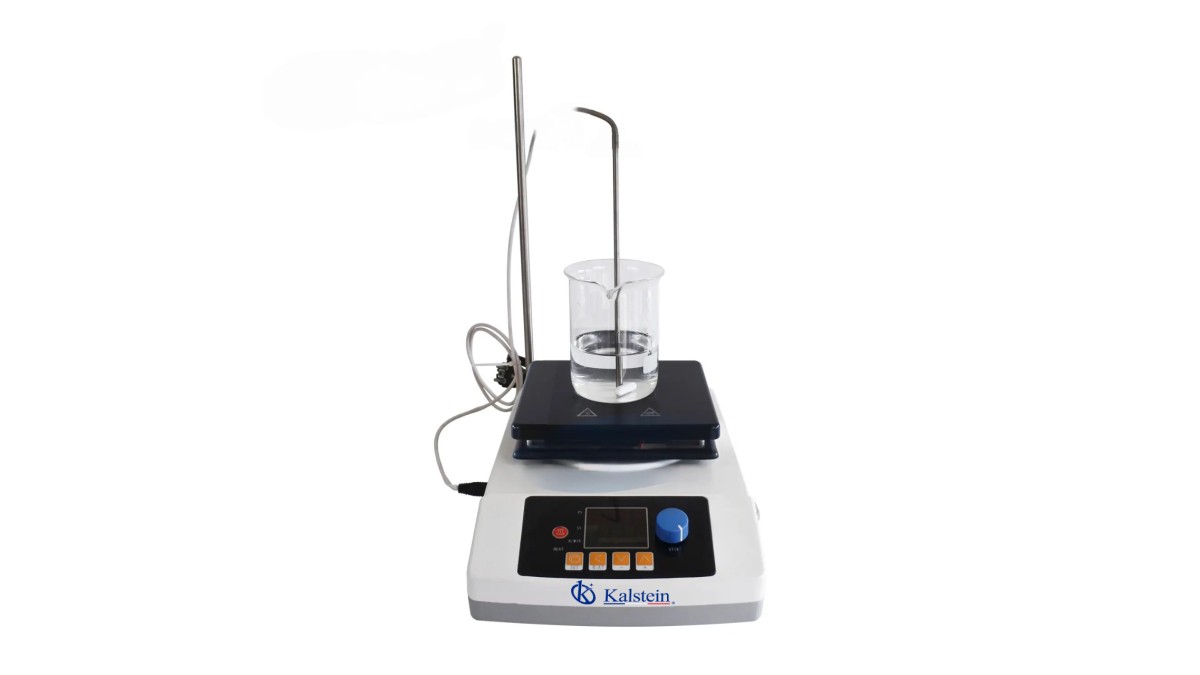
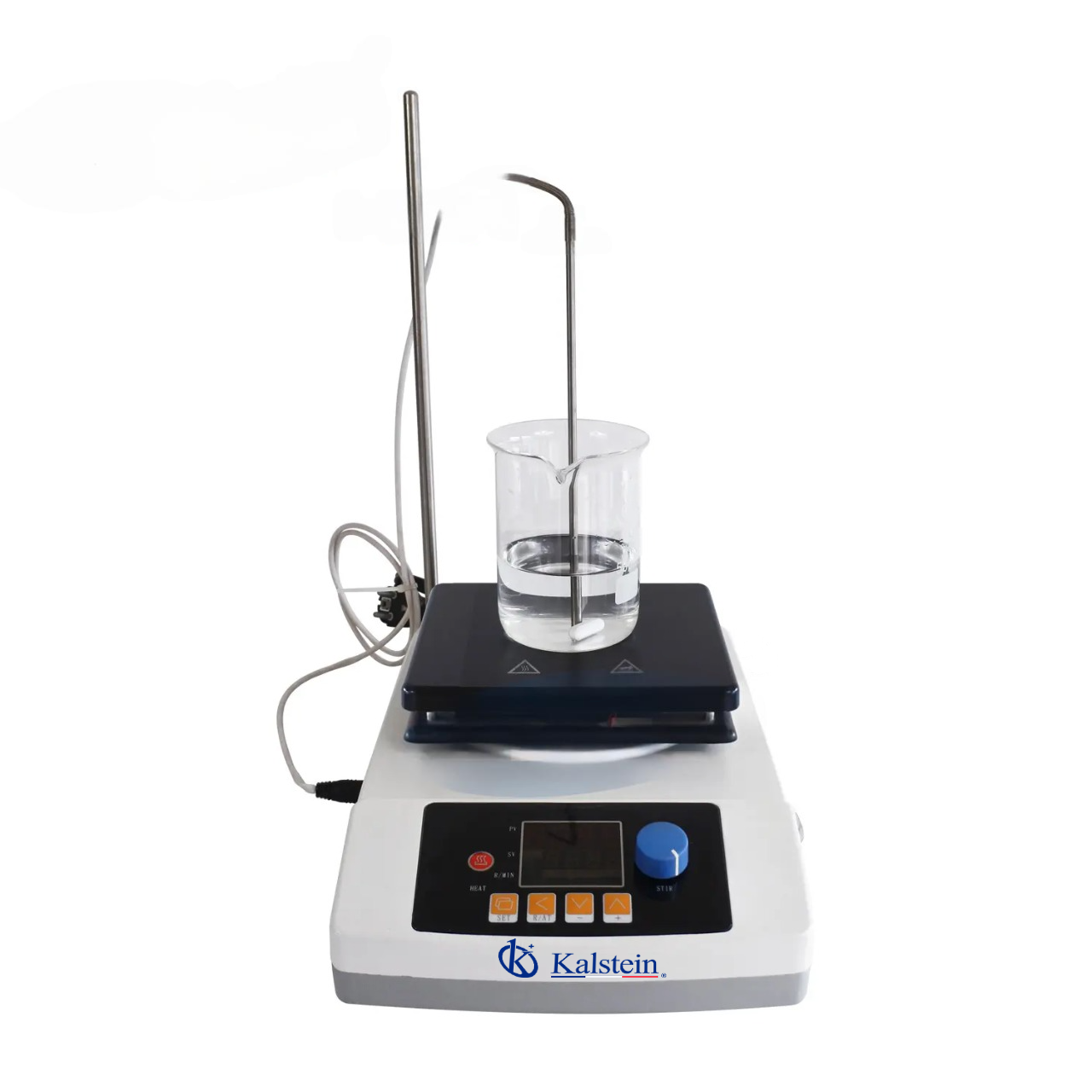
Intelligent Digital Display Ceramic Top Hotplate Stirrer: Applications, Techniques, and Best Practices 2026
What is it used for in 2026
The Intelligent Digital Display Ceramic Top Hotplate Stirrer is a versatile piece of laboratory equipment essential for various tasks in research, biotechnology, and academic settings. In 2026, its applications include:
- Sample Heating: Precisely heating samples in laboratory experiments to desired temperatures.
- Solution Mixing: Efficiently stirring solutions to ensure homogeneity in chemical reactions.
- Temperature Control: Utilizing PID control for maintaining stable temperatures during experiments.
- Safety Features: Protecting users with fixed safety circuits and high-temperature warnings.
- Compatibility: Suitable for various containers, including closed systems, enhancing laboratory workflow.
History and evolution of the technology
Since their inception, hotplate stirrers have evolved significantly. Initially designed for simple heating tasks, modern Intelligent Digital Display Ceramic Top Hotplate Stirrers incorporate advanced temperature control, safety features, and user-friendly digital displays. Over the years, the introduction of ceramic tops has improved chemical resistance and enhanced visibility. The integration of PID control technology has revolutionized temperature accuracy, catering to the precise needs of laboratory professionals.
How to use it step by step
- Setup: Place the stirrer on a stable, level surface away from edges.
- Connect: Ensure that the device is plugged into a suitable power source.
- Select Temperature: Use the digital display to set the desired temperature, utilizing the PID control for precision.
- Initiate Stirring: Insert the appropriate stirring bar into the container and place it on the hotplate. Start the stirrer and adjust the speed as needed.
- Monitoring: Continuously monitor the temperature and stirring speed through the digital display to ensure optimal performance.
- Shutdown: After completing the experiment, turn off the device and allow it to cool before cleaning.
Best techniques and protocols
In 2026, the best practices for using Intelligent Digital Display Ceramic Top Hotplate Stirrers include:
- Calibration: Regularly calibrate the temperature settings for accuracy.
- Use of Proper Containers: Always use glass or ceramic containers to avoid damage to the hotplate.
- Safety Precautions: Always wear appropriate PPE (personal protective equipment) when handling hot liquids.
- Cleaning: Clean the surface after each use to maintain the ceramic top and prevent contamination.
- Monitoring: Keep an eye on the stirring speed and temperature to avoid overheating or under-mixing.
Practical applications by laboratory type
Different laboratories utilize Intelligent Digital Display Ceramic Top Hotplate Stirrers for various applications:
- Chemical Laboratories: For mixing and heating reagents in synthesis reactions.
- Biological Laboratories: Used for enzyme reactions requiring specific temperatures.
- Educational Institutions: Utilized in teaching laboratories for experiments in chemistry and biology classes.
- Pharmaceutical Research: Employed in drug formulation processes where accurate temperature control is critical.
Regulations, standards and certifications
In 2026, there are various regulations and standards that Intelligent Digital Display Ceramic Top Hotplate Stirrers must comply with, including:
- ISO Standards: Compliance with international standards for laboratory equipment ensures quality and safety.
- CE Certification: Products are certified to meet European safety standards.
- UL Certification: Indicates compliance with safety standards in the United States.
- Good Laboratory Practice (GLP): Adherence to protocols ensuring consistency and reliability in laboratory settings.
Comparison with alternative technologies
While Intelligent Digital Display Ceramic Top Hotplate Stirrers are versatile, there are alternatives such as:
- Magnetic Stirring Paddles: Better for low-volume applications but lack heating capabilities.
- Heating Mantles: Provide even heating but are less versatile in terms of stirring capabilities.
- Water Baths: Excellent for maintaining temperature but do not facilitate stirring.
Comparison of available models
| Model | Best for | Key specs | Recommended use case |
|---|---|---|---|
| YR02937 | Small-scale heating and stirring | 140x140 mm, PID control, 400°C | Ideal for routine experiments requiring precision in small volumes. |
| YR02938 | General laboratory use | 180x180 mm, PID control, 400°C | Best suited for versatile applications in various laboratory settings. |
| YR02939 | Higher volume mixing | 230x230 mm, 750W power, 380°C | Great for experiments needing higher heating power and volume. |
| YR02940 | Flexible laboratory tasks | 280x280 mm, PID control, 400°C | Perfect for both heating and stirring in medium to large experiments. |
| YR02941 | Precision tasks | 140x140 mm, PID control, 325°C | Useful for small, precise experiments requiring low-volume mixing. |
| YR02942 | General laboratory and educational use | 180x180 mm, PID control, 325°C | Excellent for teaching laboratories where safety and usability are priorities. |
Common mistakes and how to avoid them
Laboratory professionals should be aware of common pitfalls when using hotplate stirrers:
- Overheating: Always monitor temperatures to prevent overheating samples.
- Using Incorrect Containers: Ensure containers are suitable for high temperatures to avoid breakage.
- Neglecting Calibration: Regularly calibrate your equipment for accurate measurements.
- Ignoring Safety Precautions: Always follow safety protocols and wear PPE during operations.
- Inadequate Mixing: Adjust the stirring speed appropriately to achieve thorough mixing.
Maintenance, calibration and good practices 2026
For optimal performance and longevity of Intelligent Digital Display Ceramic Top Hotplate Stirrers, follow these guidelines:
- Regular Cleaning: Clean the ceramic surface after each use to prevent chemical residue.
- Calibration: Calibrate the device periodically to ensure accurate temperature readings.
- Inspection: Regularly check power cords and connections for damage.
- Storing: Store in a dry environment to prevent moisture damage.
- Documentation: Keep a maintenance log for tracking usage and issues.
Cost-benefit analysis 2026
Investing in Intelligent Digital Display Ceramic Top Hotplate Stirrers presents numerous benefits:
- Laboratory Efficiency: Enhances productivity through efficient heating and mixing capabilities.
- Long-Term Savings: Durable construction leads to reduced replacement costs.
- Precision and Accuracy: Improved experimental results through accurate temperature control.
- Versatility: Can be used across various laboratory types, adding value to any lab setting.
- Safety Features: Built-in safety controls help prevent accidents, enhancing workplace safety.
Frequently asked questions
What is the maximum temperature these hotplate stirrers can reach?
The maximum temperature varies by model, with most reaching up to 400°C, allowing for a wide range of heating applications.
Can I use these stirrers for high-viscosity liquids?
Yes, however, it is advisable to choose models with higher stirring capabilities and adjust the speed accordingly to achieve optimal mixing.
How do I know which model is right for my laboratory?
Consider factors such as the volume of samples you typically work with, the required temperature range, and the specific mixing needs of your experiments.
Are there any specific safety precautions I should take?
Always wear appropriate PPE, monitor temperatures closely, and ensure that the stirrer is stable during operation to prevent spills and accidents.
What should I do if my stirrer is not heating properly?
First, check the power supply and connections. If the issue persists, consider recalibrating the temperature settings or contacting your supplier for assistance.
How often should I calibrate my hotplate stirrer?
It is recommended to calibrate your hotplate stirrer regularly, ideally before critical experiments or at least every few months to ensure accuracy.
Can these stirrers be used in a closed system?
Yes, many models are designed to be used safely within closed systems, enhancing their versatility in laboratory settings.
If you are looking for a fusion of innovation and quality, you have come to the right place. At Kalstein, we offer you the luxury of exploring our exclusive catalog of laboratory equipment. We manufacture every device to the highest standards of excellence. Our intuitive and seamless online purchasing channels are designed for your convenience, securing the most competitive prices. Hesitate no longer — we bring science to life, it is time to become part of our community.