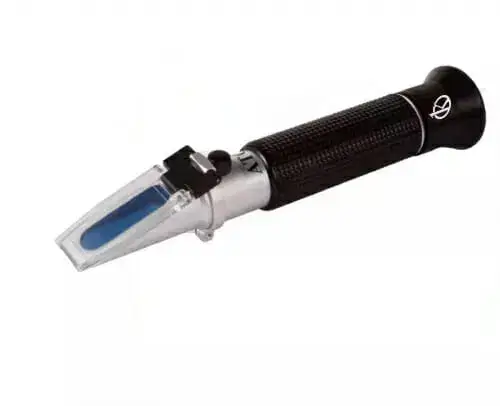
Honey Refractometers: Practical Applications and Techniques 2026
What is it used for in 2026
Honey refractometers are specialized instruments designed to measure the sugar concentration in honey and other sugar-rich liquids. In 2026, their applications have expanded significantly within clinical laboratories and food quality control. These devices allow professionals to monitor the sugar levels in honey, ensuring it meets specified quality criteria. Moreover, they help in determining the ripeness of fruits during harvesting, as well as controlling sugar concentrations in jams, jellies, and syrups. This is essential for producing consistent quality food products.
History and evolution of the technology
The technology behind refractometers dates back to the 19th century, initially used for measuring the refractive index of liquids. The development of honey refractometers specifically caters to the needs of beekeepers and food industry professionals. Over the years, advancements in optical technology have allowed for more accurate and user-friendly refractometers. Today, models come equipped with Automatic Temperature Compensation (ATC) features and improved materials, making them more durable and efficient.
How to use it step by step
Using a honey refractometer involves a few simple steps:
- Calibration: Ensure the refractometer is calibrated before use, ideally with distilled water.
- Sample Preparation: Place a few drops of the honey or syrup on the refractometer's prism.
- Close the Cover: Gently close the cover to spread the sample evenly over the prism surface.
- Read the Measurement: Look through the eyepiece and read the scale, noting the Brix value.
- Document Results: Record the reading for further analysis.
Best techniques and protocols
Implementing best practices when using honey refractometers is crucial for obtaining accurate measurements:
- Always perform a calibration check before each use.
- Use samples that are at room temperature for the most accurate readings.
- Ensure the prism is clean and free of residues before testing each sample.
- Conduct multiple tests on the same sample for consistency and reliability.
- Keep detailed records of all measurements for quality tracking and compliance.
Practical applications by laboratory type
Honey refractometers find application in various laboratory settings:
- Food Quality Control Labs: Testing the quality of honey and related products.
- Agricultural Labs: Assessing fruit ripeness and sugar concentration.
- Research Institutions: Studying sugar concentration effects on fermentation processes.
- Educational Institutions: Teaching students about the properties of liquids and sugar concentration.
Regulations, standards and certifications
In laboratories, adhering to regulations and standards is essential for maintaining product quality. Honey refractometers must comply with:
- The Food and Drug Administration (FDA) guidelines for food safety.
- ISO standards related to laboratory testing and equipment calibration.
- Local and international standards for honey quality assessment.
Comparison with alternative technologies
While honey refractometers are popular, there are alternative technologies available for measuring sugar concentration:
- Hydrometers: Less accurate but simpler devices for measuring specific gravity, which can infer sugar content.
- Digital Refractometers: Provide electronic readouts and often include ATC for improved accuracy.
- Spectrophotometers: More advanced instruments that can analyze a wider range of sugar concentrations but are costlier.
Comparison of available models
| Model | Best for | Key specs | Recommended use case |
|---|---|---|---|
| YR05885 | Honey quality testing | 58-92% Brix, ±0.5% Brix accuracy | Monitoring sugar levels in honey and related products. |
| YR05885-1 | Fruit ripeness assessment | 58-92% Brix, ±0.5% Brix accuracy | Checking sugar content for fruit harvesting. |
| YR05885-2 | Food processing control | 58-92% Brix, ±0.5% Brix accuracy | Ensuring quality during the production of honey-based products. |
| YR05886 | Syrup concentration monitoring | 10-30% water, ±0.10% water accuracy | Controlling sugar levels in syrup production. |
Common mistakes and how to avoid them
To ensure accurate results with honey refractometers, avoid these common mistakes:
- Failing to calibrate before use, which can lead to inaccurate readings.
- Using samples that are too hot or cold, affecting the measurement.
- Not cleaning the prism thoroughly between tests, which can cause contamination.
- Ignoring environmental factors such as humidity, which can impact sugar concentration.
Maintenance, calibration and good practices 2026
Maintaining honey refractometers is vital for their longevity and accuracy:
- Regularly clean the prism with a soft cloth and suitable cleaning solution.
- Conduct calibration checks at least once a month or before significant usage.
- Store the refractometer in a protective case when not in use to prevent damage.
Cost-benefit analysis 2026
Investing in honey refractometers can be justified by:
- Improved product quality and consistency, reducing waste.
- Increased efficiency in laboratory workflows due to quick measurements.
- Compliance with industry standards and regulations, avoiding legal issues.
Frequently asked questions
How do I choose the right honey refractometer for my lab?
When choosing a honey refractometer, consider the measurement range, accuracy, and whether you need features like Automatic Temperature Compensation (ATC) for better precision.
What is the best way to calibrate my refractometer?
Use distilled water for calibration. Place a few drops on the prism, close the cover, and ensure the reading shows zero Brix or the corresponding scale value.
Can I use refractometers for other liquids besides honey?
Yes, honey refractometers can be used for various sugar-rich liquids such as syrups and fruit juices, but ensure they fall within the specified measurement range.
How often should I perform maintenance on my refractometer?
It's recommended to clean the refractometer after each use and perform calibration checks monthly or before extensive usage.
What are the common factors that can affect the readings?
Temperature, cleanliness of the prism, and sample concentration can significantly impact the accuracy of your readings.
How can I ensure the accuracy of my measurements?
Use calibrated equipment, conduct multiple tests for consistency, and ensure samples are at the correct temperature.
Where can I find more information or request a quote for honey refractometers?
You can visit our website to explore options and request a quote on our range of honey refractometers.
If you are looking for a fusion of innovation and quality, you have come to the right place. At Kalstein, we offer you the luxury of exploring our exclusive catalog of laboratory equipment. We manufacture every device to the highest standards of excellence. Our intuitive and seamless online purchasing channels are designed for your convenience, securing the most competitive prices. Hesitate no longer — we bring science to life, it is time to become part of our community.