Honey Refractometers: LIMS Integration and Data Flow Digitalization 2026
In the evolving landscape of laboratory technology, Honey Refractometers play a critical role in ensuring data accuracy and operational efficiency. As laboratories increasingly adopt Laboratory Information Management Systems (LIMS), the integration of these refractometers within this digital framework is essential. This article discusses the importance of LIMS integration and digital data flow in the context of Honey Refractometers, providing insights into how various models can support these objectives.
Understanding Honey Refractometers in the Context of LIMS Integration
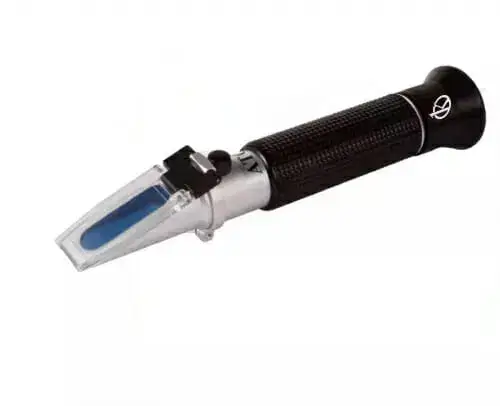
Honey Refractometers, such as the YR05885, YR05885-1, YR05885-2, and YR05886, are designed for measuring sugar concentrations in various liquids. These instruments are vital for monitoring quality in food and beverage production, and their accurate readings are crucial for data management systems. Integrating these devices with LIMS facilitates real-time data capture, enhances traceability, and improves compliance with industry standards.
Advantages of LIMS Integration for Honey Refractometers
Integrating Honey Refractometers into a LIMS framework provides several benefits:
- Real-time Data Acquisition: Automated data transfer from the refractometers to the LIMS reduces the risk of human error.
- Improved Traceability: Each measurement is recorded in the LIMS, enhancing product traceability throughout the production process.
- Regulatory Compliance: Streamlined data management ensures compliance with local and international quality standards.
Models Comparison Table
| Model | Measurement Range | Min. Division | Precision | Best for |
|---|---|---|---|---|
| YR05885 | 58-92% Brix | 0.50% Brix | ±0.5% Brix | High sugar content liquids |
| YR05885-1 | 58-92% Brix | 0.50% Brix | ±0.5% Brix | Quality control post-harvest |
| YR05885-2 | 58-92% Brix | 0.50% Brix | ±0.5% Brix | Processing and packaging |
| YR05886 | 10-30% Water | 0.10% Water | ±0.10% Water | Water content verification |
Common Mistakes and How to Avoid Them
Laboratory professionals often face challenges when integrating Honey Refractometers with LIMS. Common mistakes include:
- Inadequate Training: Ensure all staff are trained on both the refractometer and LIMS usage to avoid data entry errors.
- Neglecting Calibration: Regularly calibrate the devices to maintain accuracy in measurements.
- Ignoring Integration Protocols: Follow established protocols for data transfer to ensure seamless integration.
How Honey Refractometers Support Data Flow Digitalization
Digital data flow is essential for operational efficiency. Honey Refractometers support this by allowing for:
- Automated Reporting: Data collected can be automatically reported to LIMS, creating a streamlined workflow.
- Data Visualization: Integration with data analysis tools can help visualize trends and anomalies in measurements.
- Enhanced Communication: Real-time data sharing between departments improves collaboration.
Impact of LIMS Integration on Quality Control
By employing Honey Refractometers in a LIMS-integrated environment, laboratories can improve their quality control measures:
- Standardized Procedures: LIMS enables standardized data collection, enhancing reproducibility of results.
- Auditable Records: Every measurement is logged, providing a clear audit trail for compliance purposes.
- Rapid Response to Quality Issues: Immediate data availability allows for quick decision-making in quality management.
Examples of Successful LIMS Integration
Several laboratories have successfully integrated Honey Refractometers into their LIMS:
- Example A: A honey processing facility improved its quality control by integrating the YR05885 model, leading to a 30% reduction in processing time.
- Example B: A beverage manufacturer utilized the YR05886 for real-time water content monitoring, ensuring compliance with regulatory standards.
Frequently Asked Questions
What LIMS integration options are available for Honey Refractometers in 2026?
Integration options for Honey Refractometers like the YR05885 include RESTful APIs and ASTM protocols, ensuring compatibility with various LIMS platforms. These options allow for automated data transfer, improving accuracy and efficiency in data management.
How do Honey Refractometers ensure data accuracy in LIMS?
Honey Refractometers such as the YR05885-1 provide precise measurements with a ±0.5% Brix accuracy, which is crucial in maintaining data integrity within a LIMS environment. Accurate data is vital for tracking quality across production stages.
Which Honey Refractometer model is best for high-sugar content liquids in 2026?
The YR05885 model is specifically designed for high-sugar content liquids, operating within a measurement range of 58-92% Brix, making it ideal for quality control in honey and syrup production.
What are the cost implications of LIMS integration for Honey Refractometers?
Integrating Honey Refractometers like the YR05886 into a LIMS can involve initial setup costs, but these are offset by increased efficiency and reduced errors in data handling, leading to long-term savings.
How often should Honey Refractometers be calibrated for LIMS integration?
Calibration for models like the YR05885 should be performed regularly, typically every three months or after significant changes in usage, to ensure accurate data flow into the LIMS.
What role do Honey Refractometers play in regulatory compliance for laboratories?
Models such as the YR05885-2 help laboratories maintain compliance by providing accurate measurements required for documentation and reporting, essential for audits and regulatory reviews in the food industry.
How can Honey Refractometers improve laboratory productivity in 2026?
By integrating models like the YR05886 with LIMS, laboratories can automate data logging and reporting, significantly reducing manual entry times and increasing overall productivity.
What features of Honey Refractometers enhance data flow in LIMS?
Features such as automatic temperature compensation (ATC) in models like the YR05885 ensure consistent data quality, which is vital for maintaining accurate data flow within a LIMS framework.
If you are looking for a fusion of innovation and quality, you have come to the right place. At Kalstein, we offer you the luxury of exploring our exclusive catalog of laboratory equipment. We manufacture every device to the highest standards of excellence. Our intuitive and seamless online purchasing channels are designed for your convenience, securing the most competitive prices. Hesitate no longer — we bring science to life, it is time to become part of our community.