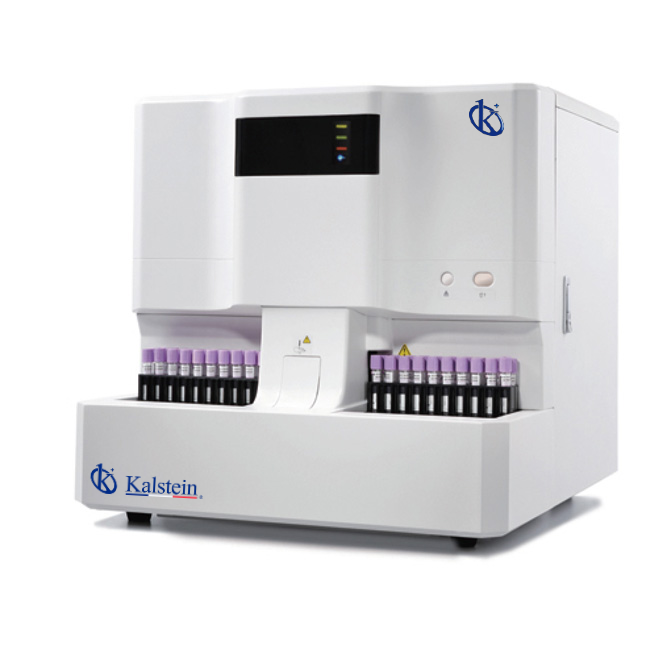
Hematology Analyzers: Practical Applications and Techniques 2026
Hematology analyzers have become essential tools in modern laboratories, facilitating the accurate analysis of blood samples. These sophisticated devices are designed to provide detailed insights into various hematological parameters, making them invaluable in research, biotechnology, and academic settings. In this article, we will delve into the practical applications, techniques, and best practices associated with hematology analyzers in 2026.
What is it used for in 2026
In 2026, hematology analyzers are utilized in various applications ranging from clinical diagnostics to research and academic studies. They enable precise calculations of blood components such as red blood cells (RBC), white blood cells (WBC), and platelets (PLT). These analyzers are vital in diagnosing conditions like anemia, infections, and blood disorders. Furthermore, they play a crucial role in monitoring patient health during treatment and in research settings where blood samples are analyzed to understand various biological processes.
History and evolution of the technology
The evolution of hematology analyzers dates back to the early 20th century when manual counting techniques were employed. Over the decades, advancements in technology have led to the development of automated systems that significantly enhance accuracy and efficiency. The introduction of laser technology and flow cytometry has revolutionized the field, enabling rapid analysis of multiple parameters simultaneously. Today's analyzers, including models like YR06080, YR05123, and others, represent the pinnacle of innovation in hematology, integrating sophisticated algorithms and user-friendly interfaces for seamless operation.
How to use it step by step
Using a hematology analyzer involves several steps to ensure accurate results. Below is a step-by-step guide:
- Preparation: Ensure that the analyzer is calibrated and maintained according to the manufacturer's specifications.
- Sample collection: Collect blood samples using appropriate anticoagulants and techniques to prevent clotting.
- Loading samples: Place the samples in the designated loading area of the analyzer. Ensure that they are correctly identified.
- Initiating analysis: Select the appropriate test mode on the analyzer and begin the analysis process.
- Reviewing results: After the analysis is complete, review the generated reports for accuracy and completeness.
- Documentation: Document the results in the laboratory information system (LIS) or other record-keeping systems.
- Clean-up: Clean and maintain the analyzer after use to ensure its longevity and reliability.
Best techniques and protocols
To achieve optimal results with hematology analyzers, several techniques and protocols should be followed:
- Sample handling: Ensure proper handling and storage of blood samples to prevent degradation.
- Quality control: Regularly perform quality control checks using control samples to validate the analyzer's performance.
- Operator training: Ensure that all operators are adequately trained in using the equipment and interpreting results.
- Regular maintenance: Schedule routine maintenance and calibration of the analyzer as per the manufacturer's guidelines.
Practical applications by laboratory type
Different types of laboratories utilize hematology analyzers for various purposes:
Clinical Laboratories
These laboratories use hematology analyzers primarily for routine blood tests, such as complete blood counts (CBC), which are essential for diagnosing diseases and monitoring patient health.
Research Laboratories
In research settings, hematology analyzers are used to analyze blood samples for studies on diseases, drug development, and biomarker discovery.
Academic Institutions
Academic labs use hematology analyzers for teaching purposes, allowing students to learn the intricacies of blood analysis and laboratory techniques.
Regulations, standards and certifications
Hematology analyzers must comply with various regulations and standards to ensure quality and safety. In the United States, the FDA regulates these devices, and they must meet the standards set by ISO 13485 for medical devices. Regular inspections and quality checks are essential to maintain compliance and ensure accurate results.
Comparison with alternative technologies
While hematology analyzers are widely used, alternative technologies exist. For instance, manual microscopy is still used in some laboratories for differential cell counts but is less efficient and more prone to human error. Flow cytometry is another alternative, offering detailed cellular analysis, but is typically more expensive and complex than traditional hematology analyzers.
Comparison of available models
| Model | Best for | Key specs | Recommended use case |
|---|---|---|---|
| YR06080 | High demand labs requiring detailed analysis | 28 parameters, 60 samples/hour, $7000 | Clinical diagnostics and research |
| YR05123 | High throughput applications | 60 samples/hour, 3D mapping technology, $6000 | High-demand clinical settings |
| YR05122-1 | Comprehensive blood analysis | 29 parameters, 60 samples/hour, $2500 | Research and detailed diagnostics |
| YR05122 | Budget-friendly option for small labs | 23 parameters, 35 samples/hour, $2800 | Small clinical labs and educational purposes |
| YR05121 | Autonomous testing | 23 parameters, 35 samples/hour, $2800 | Busy clinical environments |
| YR05120 | Excellent performance at a lower cost | 20 parameters, 35 samples/hour, $2500 | Affordable option for various labs |
Common mistakes and how to avoid them
Several common mistakes can lead to inaccurate results when using hematology analyzers, including:
- Poor sample handling: Always handle samples with care to avoid hemolysis.
- Neglecting calibration: Regularly calibrate the analyzer to maintain accuracy.
- Inadequate training: Ensure that all staff are properly trained to operate the analyzer and interpret results.
Maintenance, calibration and good practices 2026
Ongoing maintenance and calibration are crucial for ensuring the longevity and accuracy of hematology analyzers. Follow these practices:
- Schedule regular maintenance checks as advised by the manufacturer.
- Perform daily calibrations using control samples to verify the accuracy of the results.
- Keep the analyzer clean and free from contamination.
Cost-benefit analysis 2026
The initial investment in a hematology analyzer can be substantial, but the long-term benefits often outweigh the costs. These devices reduce the time required for analysis, increase diagnostic accuracy, and enable laboratories to handle higher sample volumes. When considering a purchase, evaluate not only the upfront costs but also the potential for increased efficiency and better patient outcomes.
Frequently asked questions
How do I choose the right hematology analyzer for my lab?
Consider factors such as sample throughput needs, the complexity of tests required, and your budget when selecting a hematology analyzer.
What are the key parameters measured by hematology analyzers?
Common parameters include red blood cell count, white blood cell count, hemoglobin levels, and platelet count, among others.
How often should I calibrate my hematology analyzer?
Calibration should be performed regularly, ideally daily or before each batch of samples, to ensure accuracy.
Can I use hematology analyzers for research purposes?
Yes, hematology analyzers are widely used in research to analyze blood samples for various studies, including disease mechanisms and drug effects.
What are the common troubleshooting steps for hematology analyzers?
Ensure that samples are prepared correctly, check for errors in the calibration process, and consult the user manual for specific troubleshooting instructions.
Are hematology analyzers easy to operate?
Most modern hematology analyzers are designed with user-friendly interfaces, making them relatively easy to operate with proper training.
Where can I request a quote for a hematology analyzer?
To request a quote, you can visit our platform and explore the options available for hematology analyzers.
If you are looking for a fusion of innovation and quality, you have come to the right place. At Kalstein, we offer you the luxury of exploring our exclusive catalog of laboratory equipment. We manufacture every device to the highest standards of excellence. Our intuitive and seamless online purchasing channels are designed for your convenience, securing the most competitive prices. Hesitate no longer — we bring science to life, it is time to become part of our community.