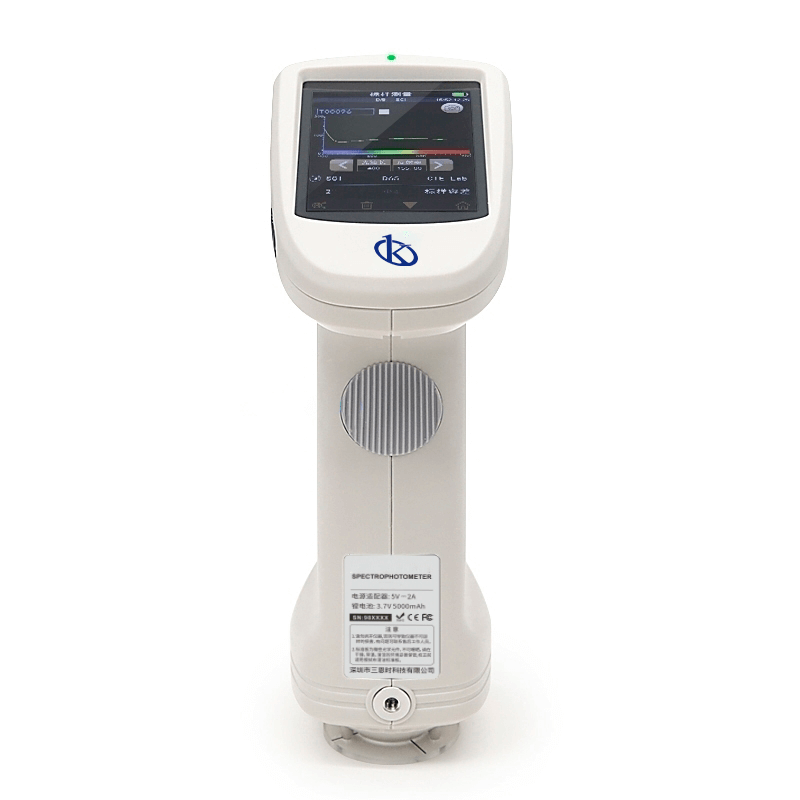
Handheld Spectrophotometers: Practical Applications and Techniques 2026
What is it used for in 2026
Handheld spectrophotometers are essential tools in laboratories for precise color measurement and quality control across various industries. In 2026, these devices play a vital role in the fields of plastics, textiles, automotive, food, cosmetics, and medical applications. Their portability and accuracy facilitate on-site assessments, ensuring that products meet specified color standards and quality benchmarks.
History and evolution of the technology
The evolution of spectrophotometry dates back to the early 19th century, with fundamental advancements leading to today's sophisticated handheld models. Initially, spectrophotometers were bulky, laboratory-bound instruments used primarily for scientific research. However, the need for more portable and user-friendly devices prompted innovations that integrated advanced optical designs and digital technology, resulting in the compact, efficient handheld spectrophotometers we utilize now.
How to use it step by step
Using a handheld spectrophotometer involves several steps:
- Preparation: Ensure that the device is calibrated and fully charged. Gather samples and necessary materials for testing.
- Settings Configuration: Turn on the device and configure settings such as measurement type, light source, and desired parameters.
- Sample Placement: Place the sample securely in the device’s measurement window. Ensure that it is clean and free from contaminants.
- Measurement: Initiate the measurement process. The device will analyze the color and provide results based on the selected parameters.
- Data Analysis: Review the measurement results. Data can be saved or exported for further analysis and reporting.
- Cleaning: After use, clean the measurement area according to manufacturer guidelines to ensure accurate future measurements.
Best techniques and protocols
For optimal results when using handheld spectrophotometers, adhere to the following best practices:
- Calibrate the device regularly to maintain measurement accuracy.
- Use appropriate samples that are representative of the material being analyzed.
- Conduct measurements in a controlled environment to minimize variables such as lighting conditions.
- Document each measurement accurately for traceability and validation purposes.
Practical applications by laboratory type
Handheld spectrophotometers are widely used in various laboratory settings:
- Textile Laboratories: Used for color matching and quality control in fabric production.
- Food and Beverage Labs: Essential for ensuring consistent color in products like juices and sauces.
- Cosmetic Laboratories: Used to maintain color standards in formulations like creams and lotions.
- Medical Laboratories: Utilized for analyzing colorimetric data in various biological samples.
Regulations, standards and certifications
Handheld spectrophotometers must comply with various international standards, including:
- CIE 15 - Colorimetry
- ISO 7724 - Color Measurement
- ASTM E1164 - Standard Practice for Color Measurement
These standards ensure the reliability and accuracy of color measurements across different industries.
Comparison with alternative technologies
While handheld spectrophotometers are versatile, alternative technologies include:
- Colorimeters: Primarily used for simpler color measurement tasks and often less expensive than spectrophotometers.
- Benchtop Spectrophotometers: Offer higher precision and are used for extensive laboratory work but lack portability.
Handheld spectrophotometers provide a middle ground, combining portability with precise measurements.
Comparison of available models
| Model | Best for | Key specs | Recommended use case |
|---|---|---|---|
| YR05493 | Color measurement in textiles and plastics | Dimensions: x x, Price: $4254.00 | Used for quality control in automotive and medical industries. |
| YR05494 | Electronics and Paint Testing | Dimensions: x x, Price: $3180.00 | Ideal for testing paints and coatings in various applications. |
| YR05495 | Textile and Printing Industries | Dimensions: x x, Price: $2250.00 | Best for color matching in printing and textile industries. |
| YR05496 | Portable Color Measurement | Dimensions: x x, Price: $1670.00 | Used for quick color assessments in field applications. |
| YR05499 | Quality Control in Industrial Settings | Dimensions: x x, Price: $1670.00 | Best for comprehensive color management in industrial processes. |
| YR05498 | Color Matching and Quality Management | Dimensions: x x, Price: $1670.00 | Ideal for ensuring consistent color in cosmetic products. |
Common mistakes and how to avoid them
To maximize the effectiveness of handheld spectrophotometers, avoid these common pitfalls:
- Improper Calibration: Always calibrate before use to ensure accuracy.
- Sample Contamination: Clean samples thoroughly to prevent erroneous readings.
- Ignoring Environmental Factors: Conduct measurements in stable conditions to avoid variability.
Maintenance, calibration and good practices 2026
Regular maintenance and calibration are crucial for handheld spectrophotometers:
- Follow manufacturer guidelines for cleaning and storage.
- Schedule calibration checks at regular intervals or when accuracy is in question.
- Utilize protective cases to safeguard against damage during transport.
Cost-benefit analysis 2026
Investing in handheld spectrophotometers offers significant benefits:
- Cost-effective in reducing material waste by ensuring quality compliance.
- Portability saves time and resources by enabling on-site measurements.
- Improved accuracy leads to better product quality and customer satisfaction.
Frequently asked questions
What factors should I consider when choosing a handheld spectrophotometer?
When selecting a handheld spectrophotometer, consider factors such as measurement range, accuracy, ease of use, and compatibility with your specific applications.
How can I ensure accurate results with a handheld spectrophotometer?
To guarantee accurate results, regularly calibrate the device, use clean and appropriate samples, and conduct measurements in stable environmental conditions.
What industries benefit the most from handheld spectrophotometers?
Industries such as textiles, food and beverage, cosmetics, and automotive heavily rely on handheld spectrophotometers for quality control and color measurement.
Can handheld spectrophotometers measure any color?
Yes, handheld spectrophotometers can measure a wide range of colors, but specific models may have limitations on certain materials or surfaces.
What maintenance is required for handheld spectrophotometers?
Regular maintenance includes cleaning the measurement area, calibrating the device, and storing it in a protective case to avoid damage.
How often should I calibrate my handheld spectrophotometer?
Calibration frequency depends on usage; however, it is recommended to calibrate before significant testing or periodically based on the manufacturer's guidance.
If you are looking for a fusion of innovation and quality, you have come to the right place. At Kalstein, we offer you the luxury of exploring our exclusive catalog of laboratory equipment. We manufacture every device to the highest standards of excellence. Our intuitive and seamless online purchasing channels are designed for your convenience, securing the most competitive prices. Hesitate no longer — we bring science to life, it is time to become part of our community.