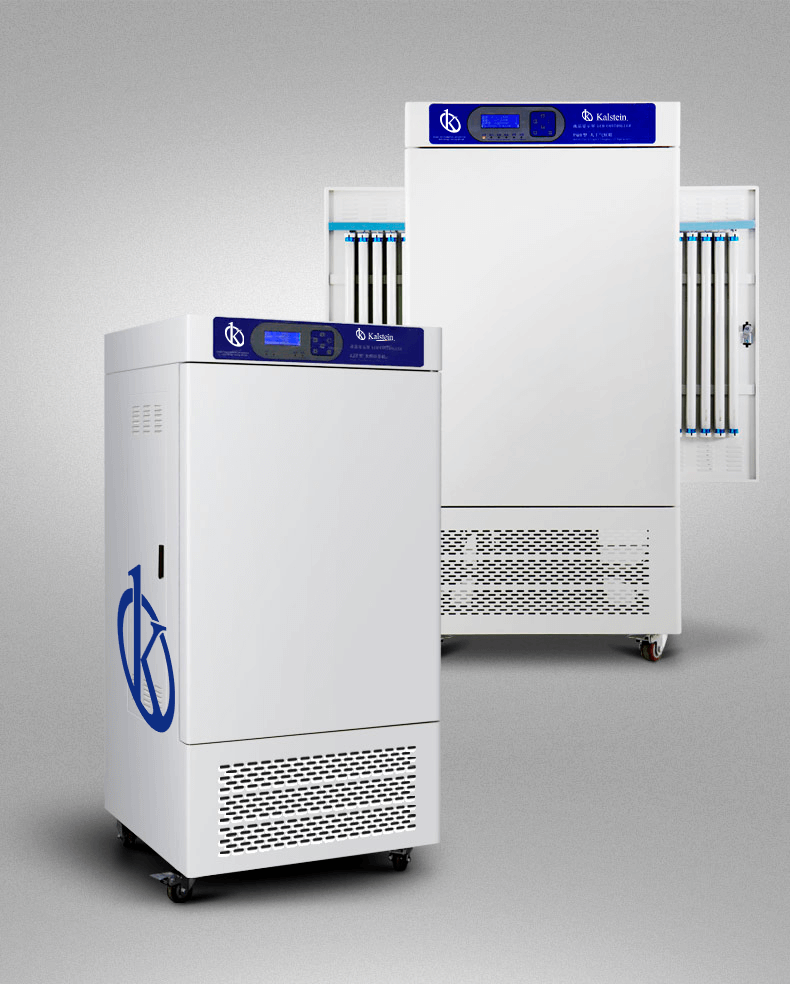
Environmental Chambers: Practical Applications and Techniques 2026
What is it used for in 2026
Environmental chambers are essential tools in research, biotechnology, and academic settings. They simulate various environmental conditions such as temperature, humidity, and light, enabling researchers to conduct controlled experiments. These chambers are invaluable in studying the effects of environmental changes on biological organisms, materials, and chemical reactions. In 2026, the focus is on optimizing experimental conditions, ensuring data integrity, and enhancing reproducibility, thus supporting advancements in scientific research.
History and evolution of the technology
The concept of environmental chambers dates back several decades. Initially, these devices were simple climate-controlled boxes. Over the years, technological advancements have led to the development of sophisticated incubators equipped with precise control mechanisms for temperature, humidity, and light intensity. Modern environmental chambers utilize advanced materials and energy-efficient designs, significantly improving their performance and reliability. This evolution has expanded their applications beyond traditional biology to fields such as agriculture, horticulture, and product testing in various industries.
How to use it step by step
Using an environmental chamber effectively requires a systematic approach. Here is a step-by-step guide:
- Select the appropriate model: Choose a model that meets your experimental requirements. Consider factors such as temperature range, humidity control, and lighting capabilities.
- Prepare the samples: Ensure that the samples are ready for placement inside the chamber. This may involve sterilization or conditioning to ensure consistency.
- Set the parameters: Program the chamber with the desired temperature and humidity settings. Use the user manual for guidance on how to navigate the control panel.
- Calibrate the chamber: Before starting an experiment, calibrate the chamber to ensure accuracy. This includes checking the temperature and humidity levels with calibrated sensors.
- Load the samples: Place the samples inside the chamber, ensuring proper space for airflow around each sample.
- Start the experiment: Begin the test by activating the chamber. Monitor the conditions periodically to ensure they remain within the desired range.
- Record data: Collect data as the experiment progresses. Use data logging features if available, or manually record observations at regular intervals.
- Analyze results: Once the experiment concludes, analyze the collected data to draw conclusions. Document the findings comprehensively for future reference.
Best techniques and protocols
To achieve reliable results, researchers should adhere to best practices when using environmental chambers:
- Regular Calibration: Regularly calibrate the chamber to ensure accuracy in measurements.
- Maintain Cleanliness: Keep the chamber clean and free from contaminants to avoid skewing results.
- Use Control Samples: Incorporate control samples to validate the experimental conditions and results.
- Document Everything: Maintain thorough records of settings, observations, and results for reproducibility.
- Follow Safety Protocols: Always adhere to safety standards, especially when handling biological materials or hazardous substances.
Practical applications by laboratory type
Environmental chambers find diverse applications across various laboratory settings:
- Biological Research: Used to study microbial growth under varying conditions, essential for microbiology and biochemistry.
- Agricultural Research: Helps in analyzing plant responses to different climatic conditions, aiding crop improvement programs.
- Material Testing: Used in industries to assess the durability of products under simulated environmental stress.
- Pharmaceutical Research: Essential for testing drug stability and efficacy under controlled environmental conditions.
Regulations, standards and certifications
Environmental chambers must comply with various regulations and standards to ensure they meet safety and performance criteria. Common certifications include ISO 9001 for quality management systems and ISO 17025 for testing and calibration laboratories. Compliance with Good Laboratory Practice (GLP) is crucial, particularly in pharmaceuticals and biotechnology sectors, to ensure that all experiments are conducted consistently and data integrity is maintained.
Comparison with alternative technologies
While environmental chambers are widely used, other technologies such as climate-controlled rooms and incubators offer different advantages. Climate-controlled rooms can provide larger spaces for extensive experiments but may lack the precise control of smaller chambers. Incubators, on the other hand, are often more suited for specific applications like cell culture but may not offer the same range of environmental conditions as environmental chambers. Each technology has its unique strengths, and the choice should be based on the specific requirements of the research.
Comparison of available models
| Model | Best for | Key specs | Recommended use case |
|---|---|---|---|
| YR05328 | General biological research | Temperature range: 10-60℃, Humidity: 50%-90% | Ideal for experiments requiring controlled light and temperature |
| YR05329 | Plant growth studies | Temperature range: 10-60℃, Humidity: 50%-90% | Best for agricultural testing and crop development |
| YR05330 | Material stress testing | Temperature range: 10-60℃, Humidity: 50%-90% | Recommended for durability testing of various materials |
Common mistakes and how to avoid them
Researchers often make several common mistakes when using environmental chambers, which can compromise their results:
- Improper Calibration: Always ensure the chamber is calibrated before use to avoid inaccurate results.
- Overloading the Chamber: Avoid overcrowding the chamber, as this can impede airflow and lead to inconsistent conditions.
- Neglecting Regular Maintenance: Schedule regular maintenance to ensure the chamber functions efficiently.
- Ignoring Data Logging: Utilize data logging features to track conditions and monitor deviations.
Maintenance, calibration and good practices 2026
Maintaining an environmental chamber is crucial for consistent performance. Follow these practices:
- Daily Checks: Inspect the chamber daily for any discrepancies in temperature and humidity.
- Monthly Calibration: Perform monthly calibrations using certified instruments to ensure ongoing accuracy.
- Clean Regularly: Clean the interior and exterior of the chamber monthly to prevent contamination.
- Train Personnel: Ensure all users are trained on the operation and maintenance of the chamber.
Cost-benefit analysis 2026
Investing in an environmental chamber can be a significant expenditure, but the benefits often outweigh the costs. These chambers enhance the reliability of experiments, reduce the risk of failed experiments due to environmental variations, and ultimately lead to better research outcomes. In 2026, the emphasis on precision and accuracy makes these chambers indispensable in laboratory settings, justifying the investment in terms of both immediate research needs and long-term scientific advancements.
Frequently asked questions
How do I choose the right environmental chamber for my lab?
Consider the specific requirements of your research, such as temperature range, humidity control, and size. Evaluate different models based on these parameters and select one that best fits your experimental needs.
What maintenance is required for environmental chambers?
Regular maintenance involves calibrating the chamber, cleaning its interior and exterior, and checking for any discrepancies in temperature and humidity levels. Schedule routine checks to ensure optimal performance.
Can environmental chambers be used for testing materials?
Yes, many environmental chambers are specifically designed for material testing, allowing researchers to assess the durability and performance of various materials under controlled environmental conditions.
How often should I calibrate my environmental chamber?
It is recommended to calibrate your environmental chamber monthly to ensure accuracy. More frequent calibrations may be necessary if the chamber is used intensively or if precise conditions are critical for your experiments.
What are the advantages of using an environmental chamber over a regular incubator?
Environmental chambers offer a wider range of control over temperature, humidity, and light conditions compared to standard incubators, making them more suitable for diverse applications and experiments that require precise environmental settings.
Is it necessary to use control samples in my experiments?
Yes, using control samples is essential in experiments conducted in environmental chambers. Control samples help validate the experimental conditions and ensure that observed changes are due to the treatment applied and not environmental fluctuations.
If you are looking for a fusion of innovation and quality, you have come to the right place. At Kalstein, we offer you the luxury of exploring our exclusive catalog of laboratory equipment. We manufacture every device to the highest standards of excellence. Our intuitive and seamless online purchasing channels are designed for your convenience, securing the most competitive prices. Hesitate no longer — we bring science to life, it is time to become part of our community.